Happy Friday!
There was a reminder at the start of this week of the value our profession delivers for the communities we live and work in, and the corresponding esteem doctors are held in by those we serve.
On Monday, the annual King’s Birthday Honours List was published, and we recognised the medical professionals and AMA members honoured for their significant and long-standing contributions to medicine and Australia.
The invaluable contribution that talented and dedicated physicians can make was further underlined, albeit in a bittersweet way, with the news of Professor Richard Scolyer’s passing on Sunday. Quite simply, Professor Scolyer’s dedication and positive impact on improving the lives of people not only all over Australia, but around the globe, cannot be overstated.
It was only in 2024 that he, alongside his colleague Professor Georgina Long, was named Australian of the Year for his pioneering research into immunotherapy as a cure for melanoma. It’s testament to him that even when dealt the cruelly ironic card of his own cancer diagnosis that he continued his world-leading work — work that will make a positive difference to people far into the future. What a legacy.
This week was RSV Awareness Week , and I was pleased by the level of media interest in the need to tackle RSV head-on through vaccinations.
Some of our patients look at RSV as nothing more than an inevitable part of winter and slight nuisance. But we’ve also all seen the headlines of infants in ICU and losing their lives to this dreadful illness. I’m so excited that we now have a funded RSV vaccination program for pregnant women and older adults. Hopefully the headlines about RSV deaths can soon be behind us.
But that will take the public getting vaccinated. For those members of the public still with doubts around vaccinations generally, our Have the Jab Chat campaign is out there, encouraging people to check in with their regular doctor for qualified and personalised advice.
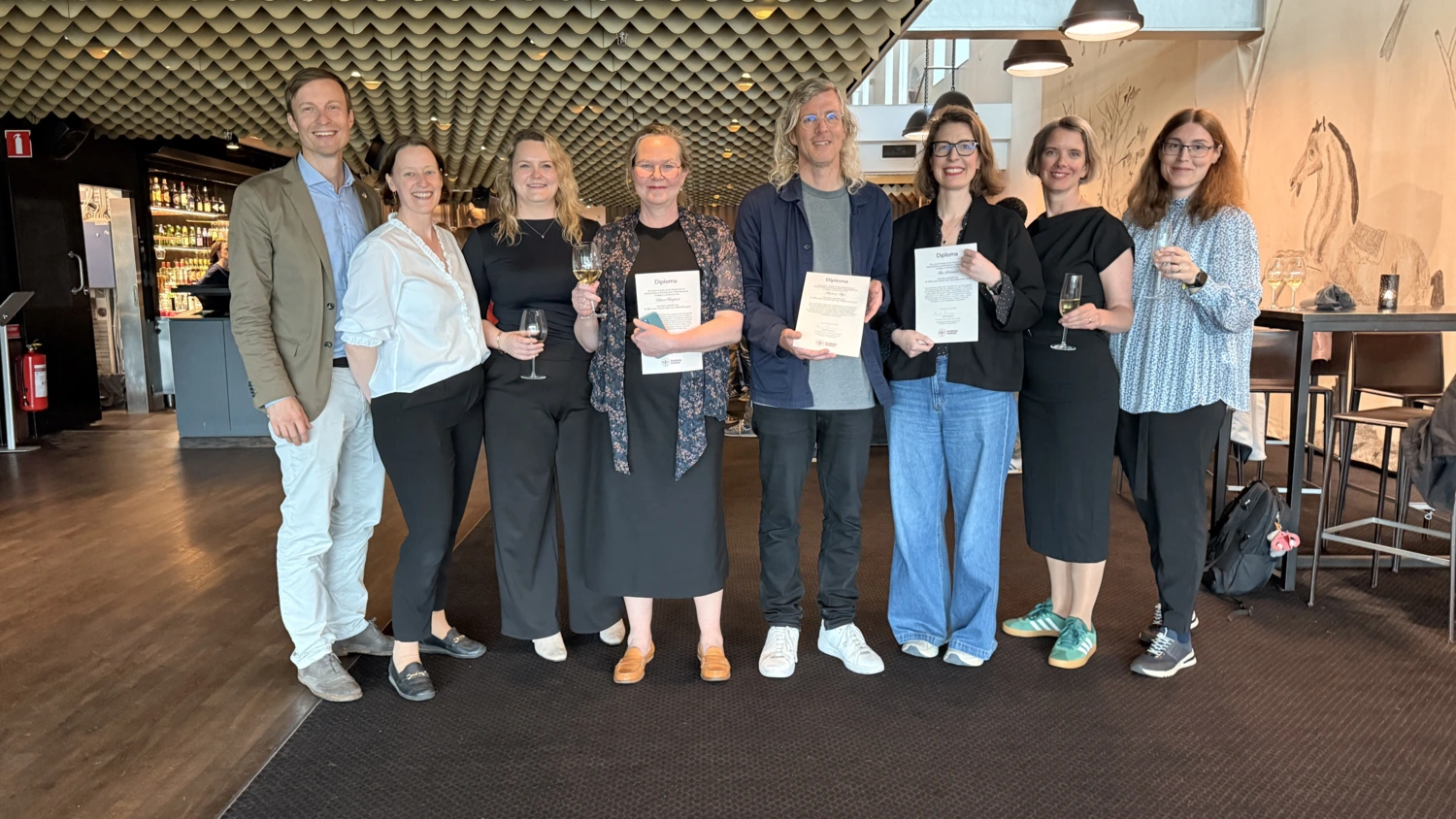
Last weekend Julian and I attended the Australian Society of Ophthalmologists’ annual skills update. I really value attending events like this to demonstrate the unified front, across colleges and societies that our profession has, and to hear directly from members, as well as trading ideas. It’s also always great to catch up with old colleagues and friends to hear about developments in different specialist areas.
Highlights of the day included an eye-opening keynote address on AI and how dramatically it may change the way we all live in the coming decade, and its impacts on healthcare. I also took part in a panel that covered everything from AI to professionalism and, of course, specialist fees. That’s one topic that certainly isn’t going away, and at the AMA we will continue to educate the government and others on there being a lot more behind growing out-of-pocket costs than the erroneous accusations of ‘price gouging’ and ‘greedy doctors’.
Coinciding with Aged Care Week, we took the opportunity to publish our new position statement on medical care for people in residential aged care homes . What better time to remind government, the media, and public, of the urgent need to address failings in the aged care system which deprive this group of access to timely, coordinated, and quality care?
Our position statement outlines the significant reforms and funding needed to ensure aged care residents can continue to access regular GP care, instead of often being left without adequate care while their health deteriorates to the point where it’s often too late.
On top of the media work I did on aged care, there has also been renewed interest this week in the topic of mandatory health star labelling on food. It’s not a panacea but a welcome first step that needs to be taken and then followed up by others, such as a tax on sugar-sweetened beverages, to get us to the point where Australians are not dying avoidable deaths because of preventative health policy failures. After all, investing in research and reform to improve public health isn’t a cost. It’s an investment that will deliver a legacy for ours and future generations.
Lastly, I mentioned assignment of billing last week. We held urgent meetings to convey concerns both to the department and the minister’s office. Despite attempts to “modernise” the process, assignment of benefit for bulk billed services remains unworkable in many situations, particularly in aged care. Given the current focus on out-of-pocket costs, it is illogical for the government to exacerbate barriers to bulk billed care. We are pushing for urgent amendments to better support the profession who choose to bulk bill, particularly while we still wait for enduring assignment for regular patients. See more info from the department in our article .
Have a great weekend when it arrives.