Body Image and Eating Disorder Awareness Week (BIEDAW) runs from 7-13 September
Healthy eating content on social media may be promoting more than wellbeing, with new Flinders University research finding popular wellness posts often reflect attitudes and behaviours linked to orthorexia nervosa, an unhealthy obsession with eating foods considered healthy or pure.
Analysing 300 popular TikTok and Instagram posts tagged #healthylifestyle, #nutrition and #cleaneating, researchers found widespread messaging centred on restrictive food rules, moralised views of food, appearance-based definitions of health and unrealistic dietary ideals.
The findings align with the theme of The Eating Disorder Alliance’s Body Image and Eating Disorder Awareness Week (BIEDAW) 2026, Redefining Wellness: Stories We’re Sold About Health and Our Bodies, which challenges the growing influence of diet and wellness culture.

Lead author and Flinders psychology PhD student Katie Porteous says health-focused online content can easily shift from encouraging healthy habits to promoting unhealthy perfectionism.
“Orthorexia nervosa goes beyond an interest in healthy eating. It involves a fixation on eating the ‘right’ foods and avoiding those perceived as unhealthy,” says Ms Porteous.
“Many of the posts we analysed promoted strict food rules, clean eating ideals and the belief that health can be achieved through perfect dietary choices. Those messages closely resemble attitudes associated with orthorexia nervosa.”
The study found 67% of posts emphasised clean or healthy eating, almost one-third promoted food restrictions or rules, and one in five framed foods as “good” or “bad”. Nearly two-thirds featured body objectification, while many linked health directly to achieving a lean, toned appearance.
“We repeatedly saw messaging that suggested ‘if you eat like me, you can look like me’,” says Ms Porteous. “That ignores the reality that health is influenced by many factors, including genetics, lifestyle, culture and personal circumstances. There is no single diet that works for everyone.”
The study found unqualified influencers dominated the health content landscape, accounting for 78% of creators analysed. More than two-thirds of health information was classified as misleading or deceptive, while qualified health professionals were significantly more likely to provide accurate, evidence-based advice.
Three-quarters of posts also promoted supplements or superfoods, often presenting them as essential to health despite limited scientific context.
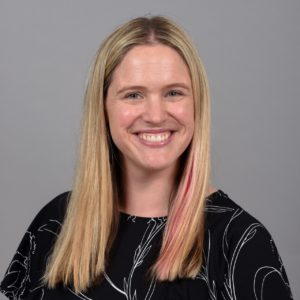
International body image expert Professor Ivanka Prichard says many of these messages are packaged as self-improvement advice.
“On the surface, these posts appear to promote health, but many encourage increasingly rigid and perfectionistic standards around eating,” says Professor Prichard.
“Healthy eating should be flexible, enjoyable and sustainable. Wellbeing should not be defined by perfection, restriction or appearance.”