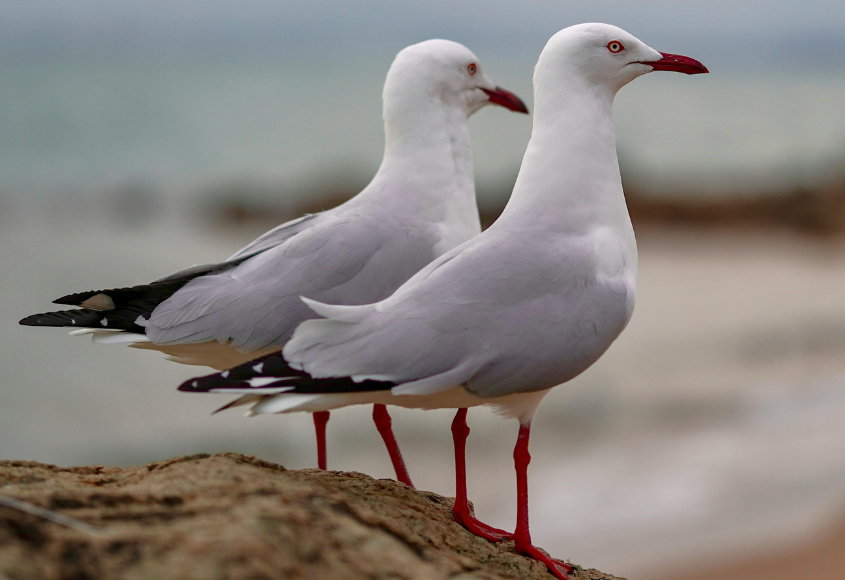
South Australia has now recorded more than 100 confirmed cases of the highly pathogenic H5 avian influenza (bird flu) in wild seabirds.
The risk of the virus spreading to dogs and cats remains low. However, pet owners are encouraged to stay vigilant and take sensible precautions to minimise the risk of exposure for their pets and the broader community.
Advice for dog and cat owners
Dogs and cats are naturally curious creatures, so taking these simple steps can help reduce their risk of exposure to bird flu:
- Keep dogs and puppies on a lead when walking, and well away from birds. This is especially important in areas where wild birds gather, such as beaches, wetlands and other coastal habitats.
- Safely contain cats indoors or in a secure outdoor enclosure to limit their contact with wild birds. This is good practice year-round, not only during periods of increased bird flu risk.
- Bring your pet’s food and water bowls inside so wild birds cannot access them.
- Never allow your pets to touch or eat sick or dead birds or other wildlife.
Signs to watch out for
Although infection in companion animals is uncommon and generally requires direct exposure to infected wild birds, poultry or their waste, symptoms of bird flu may include:
- Loss of appetite
- Lethargy or unusual tiredness
- Difficulty breathing
- Eye or nasal discharge
- Coughing or sneezing
- Poor coordination or tremors
If your pet displays any of these symptoms, it’s important that they be assessed by a vet as soon as possible. If they’ve recently been exposed to wild birds or wildlife and you’re concerned about bird flu, let your vet know when booking your appointment.
Advice for bird owners
If you have backyard chickens or pet birds, follow these simple tips to help keep them healthy:
- House birds in a covered enclosure with good ventilation and enough space to move comfortably.
- Maintain good biosecurity practices.
- Keep food and water protected from wild birds and other animals.
- Monitor birds closely for signs of illness, unusual sickness or unexpected deaths.
Found a sick or dead bird?
If you come across sick or dead birds or other animals:
- Don’t touch them or get too close.
- Keep children and pets away.
- If it’s safe to do so, record the location and take photos or videos.
- Report it to the 24-hour Emergency Animal Disease Hotline on 1800 675 888.
Where to find more information
As this situation continues to evolve, it’s important to rely on trusted sources for the latest information, updates and advice.
- Primary Industries and Regions South Australia (PIRSA), in partnership with the Department for Environment and Water, is leading the local response in South Australia. You can learn more here.
- Regular updates can be found on the Federal Government’s official page.
- Visit the RSPCA Knowledgebase for more advice on protecting your pets from bird flu.