For more than 12 months, the MUA has been highlighting the plight of vulnerable foreign seafarers aboard cruise ships operating in Australian waters under a Ministerial exemption from Australia’s federal workplace laws.
Under the Coastal Trading Act, ships that are registered in one country, flagged in another, and operate on the Australian coast under under Flag of Convenience arrangements can operate in Australian waters with a ministerial exemption to avoid Australian maritime employment and safety laws.
“International cruise companies like Carnival make hundreds of millions of dollars in Australian waters by exploiting international seafarers below decks and behind closed doors far beyond the scrutiny of the public, and they have been doing this with a permission slip from successive Federal Governments that allows them to avoid employing Australian seafarers, that we have always said has never been fit for purpose” said Jake Field, MUA National Secretary.
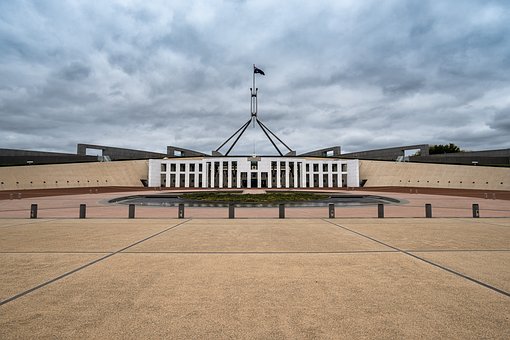
Late last week, Minister Catherine King renewed this exemption with additional requirements for cruise ship operators to demonstrate compliance with seafarers’ rights and protections enshrined in the ILO’s Maritime Labor Convention, to which Australia is a signatory. These requirements will make it necessary for ship owners to demonstrate they are not impeding or interfering with crew members’ right to collectively organise or to lodge complaints about health, safety or human rights abuses without fear of retribution.
The MUA remains concerned that abuse, coercion, manipulation and mistreatment, alongside what can only be described as modern slavery conditions aboard many international cruise vessels, will continue apace notwithstanding the Minister’s attempt to install new guardrails within the exemption.
The international cruise ship sector has generated billions in profits for global shipowners like Carnival Cruises and the business model which underpins this profit is dependent on workers who are paid less than $2.50 an hour, who work 12-16 hours a day, for 30 or more days at a time without a day off. These workers are denied sick leave, they subsist on tainted water and disgusting food, and are coerced or bullied by management into keeping silent about the systematic and pervasive mistreatment.
“All of this is done in the name of providing an enjoyable, unforgettable holiday experience to Australians in our own country but comes at the price of pervasive, mass scale human suffering,” said Mr Field. “In the meantime, because these global shipowners have the green light to run a business that maximises the economic upside of modern slavery, there is no way skilled Australian seafarers will ever get a chance to work in this sector, in service of our own domestic tourism industry,” Mr Field added.
The conditions identified by the MUA are happening aboard ships that are “home ported” in Australia, that operate from one Australian port to another, or do a big loop out from a port like Sydney and return three nights later without having called in to another port.
“In no other domestic industry would this abuse, exploitation and mistreatment be accepted in our community or on or along our shorelines. Minister King’s additional guardrails are a starting point, and not a conclusion, to the process of stamping out the modern slavery occurring in our waters aboard these floating sweatshops,” said Mr Field.
“The billionaires who run this industry are telling Australians they can’t have a holiday unless we let them snip us on the way through for mega profits. They can’t make those mega profits by employing Australian seafarers, so they do it on the backs of hard working international seafarers who they treat like slaves.
“When the Union highlights this exploitation and abuse to the passengers of these companies, they’re appalled. Eventually this abuse and manipulation must end and the MUA will continue to fight for that outcome,” said Mr Field.