The Department of Primary Industries and Regional Development (DPIRD) is encouraging the community to be on the lookout for the invasive weed boneseed as the weather warms up.
DPIRD undertakes extensive monitoring and eradication activities for boneseed each year with biosecurity officers recently searching known infested sites and conducting surveillance adjacent to these areas.
With seedlings, juveniles and adult flowering plants having already being found in regional areas, residents in Albany, Boddington, Narrogin, Woodanilling, Wandering, West Arthur and Vasse are being asked to be alert for boneseed, which is one of Australia’s most significant environmental weeds.
It has also been located in areas within the Perth metropolitan region, including Armadale, Kalamunda, Mundaring and the Swan Valley.
DPIRD regional biosecurity coordinator Tim Stevens said boneseed was capable of rapidly invading a wide range of landscapes and threatening native biodiversity and habitats.
“The weed’s ability to produce up to 50,000 seeds per year that remain viable for many years means affected sites require long term monitoring before they can be declared free of infestation,” Mr Stevens said.
“Eradicating boneseed requires persistence and commitment, with teams often working in challenging terrain and conditions to locate and treat infestations.”
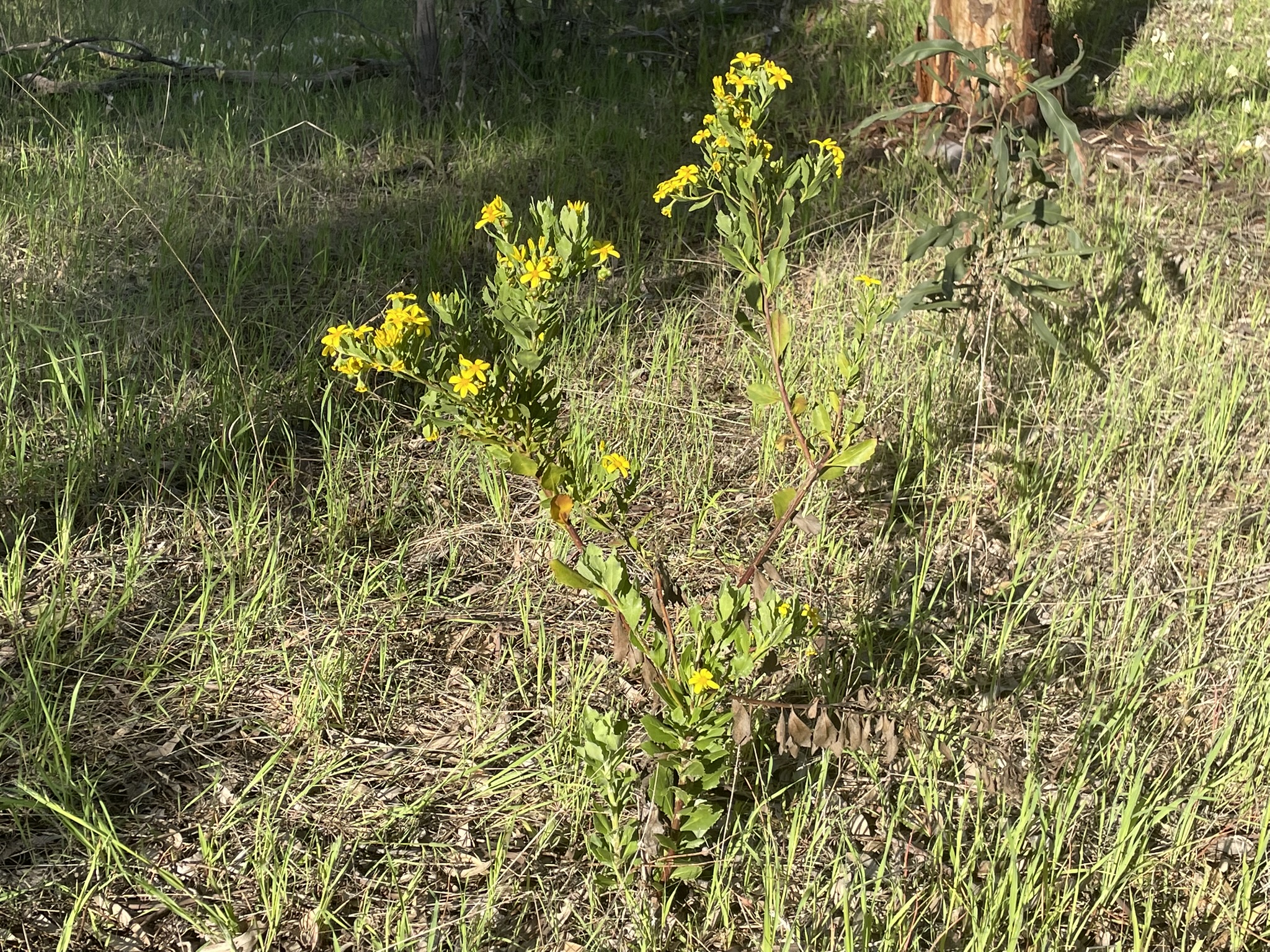
Originally introduced as a garden plant, boneseed has become a serious environmental threat, making ongoing vigilance essential.
Mr Stevens said community awareness and early reporting was critical to protecting Western Australia from invasive weeds, while supporting successful eradication programs.
“Landholders are responsible for managing declared pests on their land by undertaking monitoring and reporting any finds to DPIRD,” he said.
“Once we receive a report of a new detection, the area is mapped and requires annual monitoring for at least 15 years with no mature or seeding plants found before a site is considered free of boneseed infestation.
“DPIRD will undertake follow-up audit searches on known infested areas and we also provide support and advice to landholders on management options as required.”
Boneseed’s bright yellow flowers begin to appear from August to October and if seen should be reported to DPIRD’s Pest and Disease Information Service or the MyPestGuide Reporter app.
Find out more on the significant weed by visiting the boneseed page or read the biosecurity alert on the DPIRD website.