What the research is about
Microorganisms in nature do not simply exist as isolated cells. In the gut microbiota-the community of microorganisms living in the gut-and in biofilms, for example, many microorganisms are organized in space and live together in complex three-dimensional structures.
This spatial organization also affects how microorganisms live and function. Depending on where they are located, they may have access to different levels of nutrients and oxygen and may be surrounded by different types of microorganisms.
Reproducing such three-dimensional microbial environments in the laboratory, however, is not easy. Conventional methods have typically relied on gels and other materials to hold 3D structures in place. But once the environment is solidified, molecules can no longer move through it as freely as they can in a liquid.
A research team led by Associate Professor Masayoshi Tanaka at Institute of Science Tokyo (Science Tokyo) has now developed a way to draw three-dimensional microbial structures in liquid and keep them in place. The researchers call this approach “Floatony,” a name combining “float,” meaning to remain suspended, with “colony.” The method applies a liquid-drawing technique originally developed to create three-dimensional liquid patterns in beverages.

Why this matters
The researchers used a liquid containing Escherichia coli (E. coli) as an ink, drawing lines and three-dimensional shapes inside another liquid. In a liquid environment, however, a drawn structure can easily sink or rise, making it difficult to keep its shape. By carefully adjusting how easily the surrounding liquid flows and deforms, the team identified conditions that allow bacterial structures to remain stable while the environment itself stays liquid.
Importantly, the bacteria are not solidified simply to keep the structures in place. The E. coli remained alive and were able to grow, while small molecules could still diffuse into the surrounding liquid. In other words, the spatial arrangement of the microorganisms could be maintained while substances continued to move through the liquid.
The researchers also demonstrated that the technique can produce more than simple lines. They drew letters as well as diamond-shaped and DNA-inspired helical 3D structures in liquid. Under optimized conditions, these three-dimensional structures remained intact for at least 72 hours.
What’s next
Floatony could make it possible to design the types, positions, and three-dimensional arrangements of microorganisms and then investigate how those arrangements affect microbial behavior and interactions.
In the future, the approach may also help researchers recreate microbial environments with complex spatial structures, such as the gut microbiota and biofilms.
Comment from the researcher
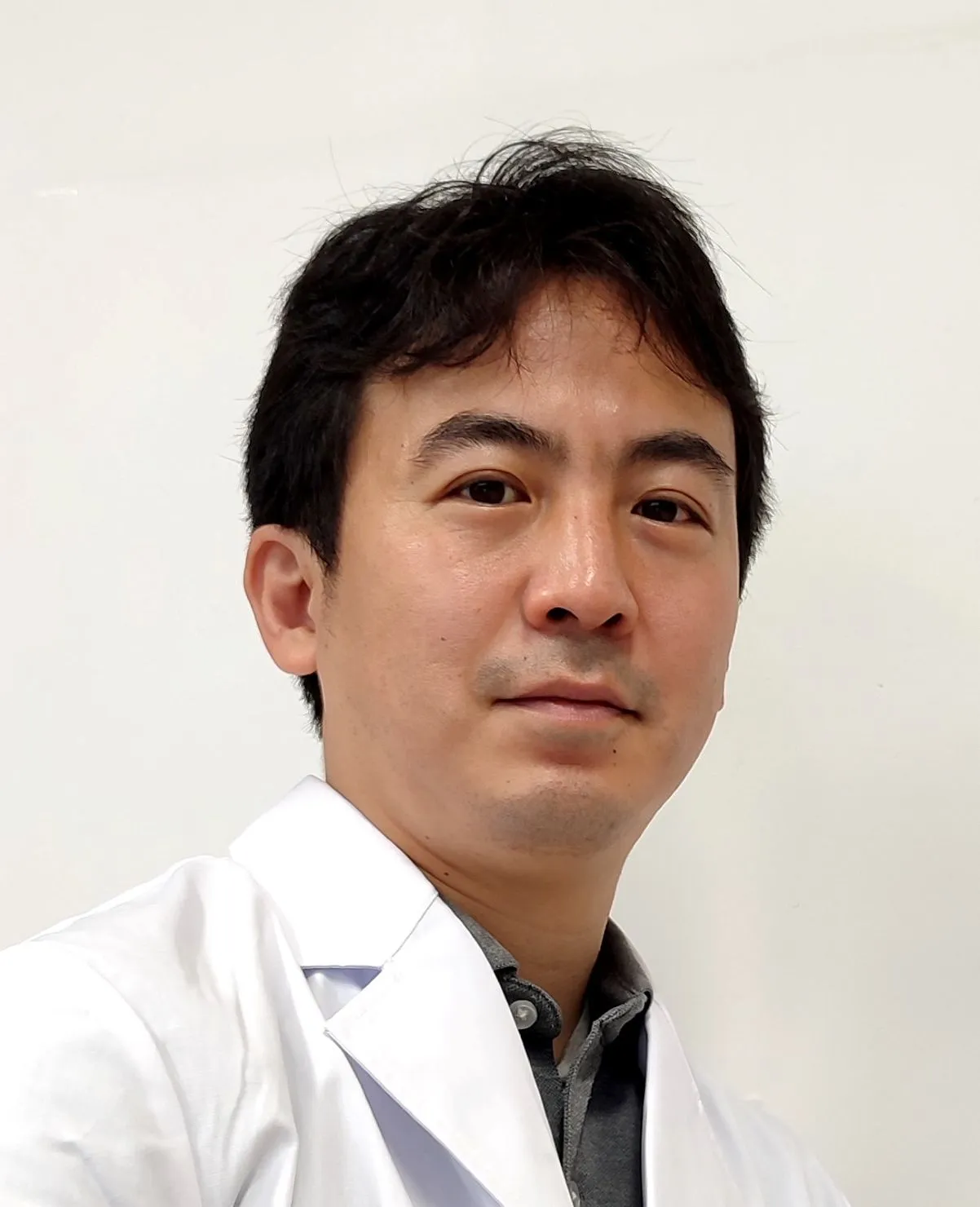
In nature, it matters not only which microorganisms are present, but also where they are located. Until now, however, it has not been easy to freely design and study their spatial arrangements in the laboratory. With Floatony, if we can treat the positions and spatial patterns of microorganisms as experimental variables, I hope we will be able to uncover microbial interactions and functions that have previously been difficult to observe.
(Masayoshi Tanaka, Associate Professor, School of Materials and Chemical Technology, Institute of Science Tokyo)
Dive deeper
Explore more research in Science for All
Science for All showcases cutting-edge research at Science Tokyo and highlights the ideas, people, and possibilities shaping the future.

Follow Science Tokyo research on X
Our Research Frontiers account features selected stories from Science for All and regularly shares research from across Science Tokyo.