Mango is a high-value crop with considerable economic, social and cultural significance across Southeast Asia. It serves as an important source of income for thousands of smallholder farming families. In Indonesia and the Philippines, two of the world’s leading producers, mango supplies domestic and export markets across Asia and beyond.
Yet pests and diseases continue to threaten production, often leading farmers to rely heavily on synthetic pesticides. Excessive or inappropriate pesticide use can increase production costs, harm human and environmental health, affect beneficial insects, raise carbon footprint and create market access risks when produce does not meet food safety standards.
Although previous research has identified effective alternatives that reduce reliance on pesticides and maintain productivity and fruit quality, adoption among many growers remains limited.
From proven solutions to wider adoption
A new 4.5-year, $5.82 million project led by the University of Queensland (UQ) will examine the barriers preventing effective pest and disease management in mango farming in Indonesia and the Philippines. It aims to identify practical ways to expand the use of these proven approaches. The project is co-funded by ACIAR and the Department of Science and Technology – Philippine Council for Agriculture, Aquatic and Natural Resources Research and Development (DOST-PCAARRD), and implemented in partnership with Universitas Gadjah Mada, the National Research and Innovation Agency (BRIN), the Directorate General of Horticulture (Ministry of Agriculture), University of the Philippines, Los Baños (UPLB) and the Philippines Department of Agriculture, Bureau of Plant Industries (DA-BPI).
‘Research supported through earlier ACIAR investments has generated a strong evidence base and demonstrated effective alternatives for managing key pests and diseases while reducing pesticide use,’ said Dr Sandra McDougall, ACIAR Research Program Manager Horticulture.
‘This new phase of research focuses on understanding and improving horticultural production systems to enable farmers, industries and institutions to adopt and sustain those practices over the long term.’
While the pest problems differ between the two countries (cecid fly, thrips, Philippine fruit fly, leafhoppers, anthracnose and scab for the Philippines, and oriental fruit fly and mango pulp weevil for Indonesia), both Indonesia and the Philippines face similar challenges in reducing overreliance on pesticides, creating opportunities to learn from one another and adapt knowledge, tools and management strategies across the region.
Project Leader Professor Ammar Abdul Aziz from the University of Queensland said the project brings together expertise from multiple disciplines.
‘Australia has worked with mango industries across the region for many years to improve pest and disease management and strengthen production systems,’ said Professor Abdul Aziz.
‘By combining expertise in agricultural science, systems thinking, behavioural research, economics and policy, we can better understand what drives farmers’ decisions and identify practical ways to enable more growers to adopt proven solutions.’
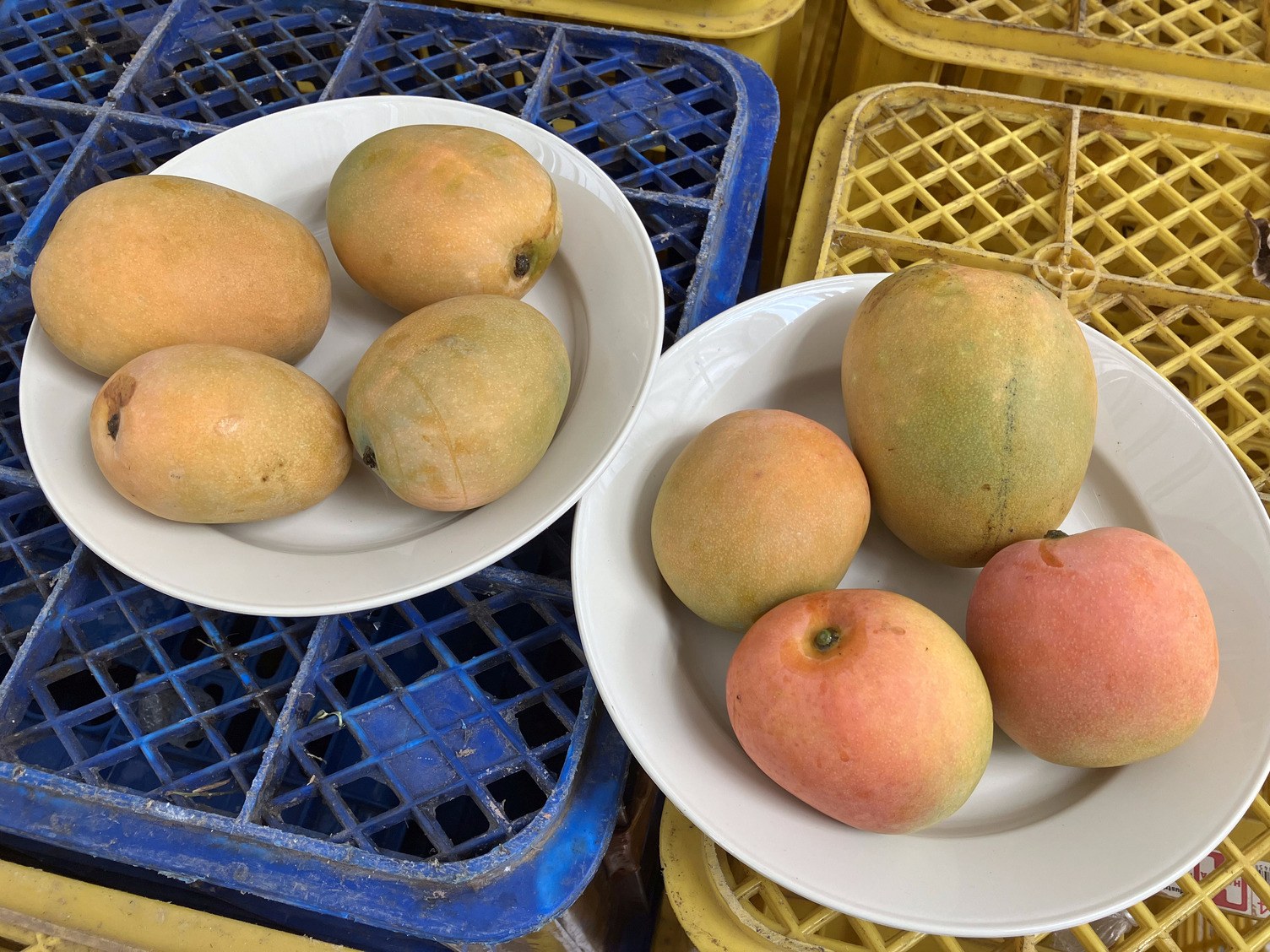
A smarter pesticide use in mango farming
Instead of relying mainly on traditional pest management practices, the new project will test innovative approaches that combines data and expertise from biological pest control, artificial intelligence, digital modelling, economics, behavioural science, policy analysis and environmental assessment.
Surveys, participatory workshops and farmer engagement activities will also provide insights into these decision-making processes to help identify opportunities and locally suitable approaches for more sustainable farming practices.
‘Our studies have showed that effective alternatives such as area-wide management can be effective in controlling fruit fly, but many farmers have yet to change the way they use pesticides,’ said Indonesian Project Lead Professor Y Andi Trisyono from Universitas Gadjah Mada.
‘Bridging the gap between proven approaches and on-farm practices is one of the key goals of this new project. By working closely with farmers and partners to understand what influences pesticide use, we can identify practical ways to make safer and more effective pest management options more accessible and relevant to Indonesia’s mango production systems.’
‘Through the use of data-driven and context-specific pest management strategies, we also help policymakers and smallholder mango farmers in mitigating pest-related risks and fostering responsible pesticide use,’ added Dr Celia Medina from the University of the Philippines Los Banos.
Towards stronger mango industries
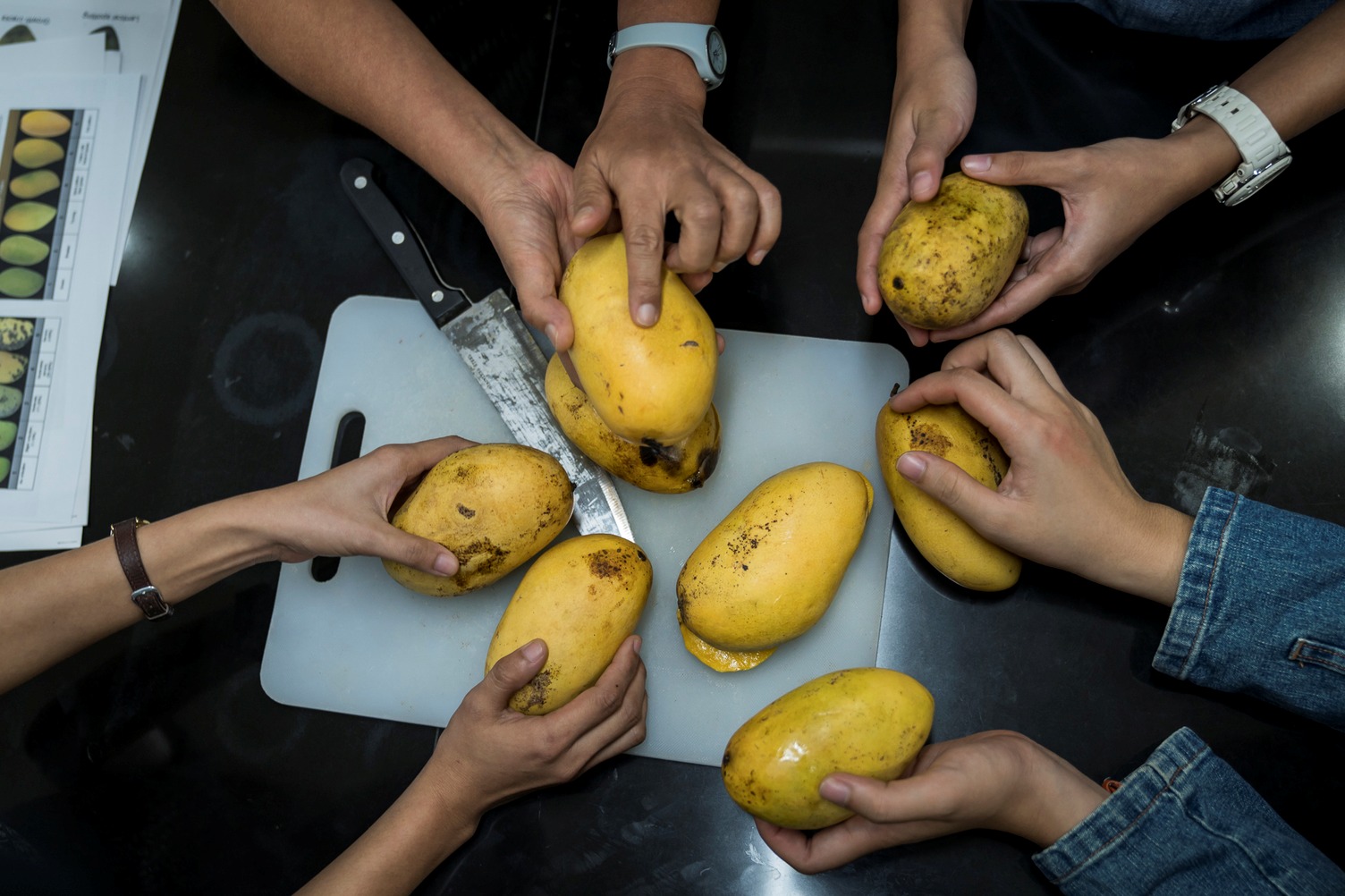
By enabling more farmers to adopt effective pest management practices, the project aims to reduce reliance on unnecessary and highly hazardous pesticides while improving productivity, food safety and industry resilience.
The findings will inform the development of digital tools, economic analyses and policy recommendations to guide government, extension agencies, industry and smallholder mango farmers in Indonesia and the Philippines in creating conditions that encourage sustainable pest management.
The project will also create opportunities for farmer learning and collaboration between partner countries and Australia, while generating insights that contribute to regional biosecurity and preparedness for pest and disease threats.
‘The systemic shift from pesticide reliance towards sustainable adoption of proactive pest management practices through smart technologies can help position Philippines, Indonesia and Australia as regional leaders in resilient mango production,’ said Dr Medina.
‘This collaboration reflects Australia’s long-standing commitment to agricultural research partnerships that improve livelihoods, strengthen food security and support sustainable production systems across the region,’ said Dr McDougall.
‘It provides valuable opportunity to build on years of research and translate proven knowledge into lasting benefits for farmers, industries and communities,’ said Dr McDougall.
‘For Australia, strengthening pest surveillance, management and preparedness with our regional partners supports our shared biosecurity by improving understanding of emerging risks before they become larger threats.’
Learn more about ACIAR’s investment in Horticulture here.