The Tweed isn’t just repairing what floods damaged. It’s rethinking its relationship with the river, and working with the community to turn flood-prone land into long-term resilience.
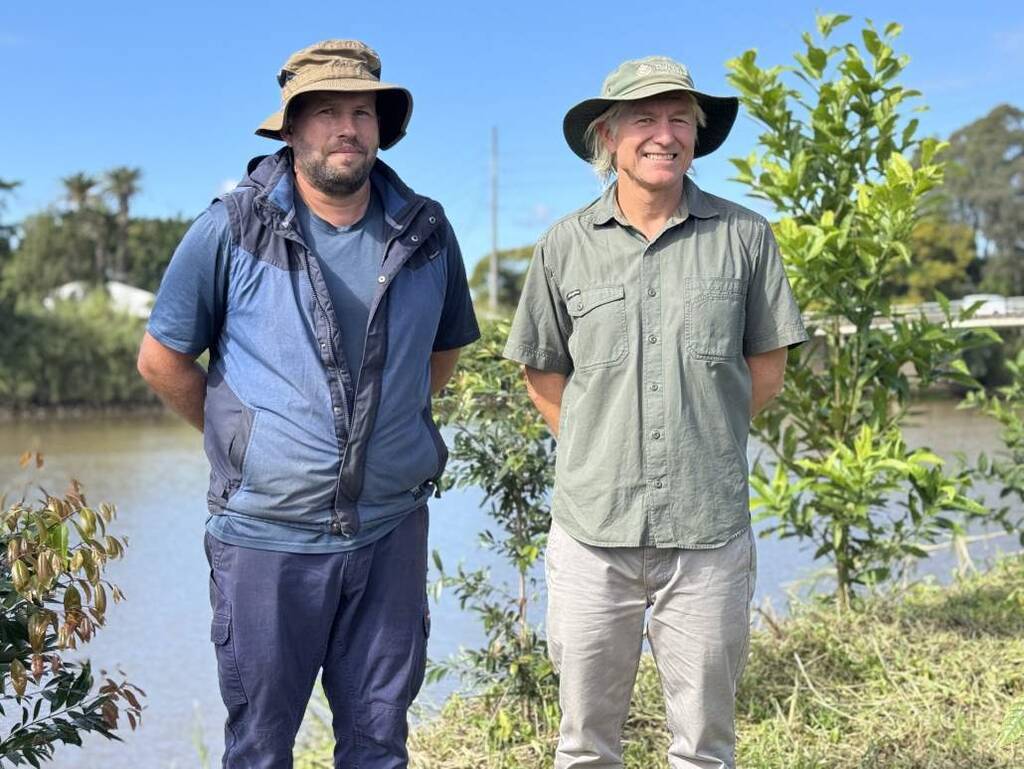
The 2022 floods scoured and destabilised hundreds of kilometres of riverbank across the Tweed, the worst bank erosion on record for this region. In some places, entire sections of bank collapsed, leaving farms, roads and communities exposed before the water from the last flood had receded. Conventional engineering can address the damage, but it is not always financially feasible or environmentally sound. What Council’s environment team has been doing is different: working with nature rather than against it, using timber piles, rock revetment and native vegetation to rebuild banks that are stable, alive and self-sustaining.
This is the second-last chapter in the Facing the River series. It is also the most forward-looking.
“Climate change is increasing the frequency and intensity of flood events across the Tweed. In 2019, Council declared a climate emergency and committed to taking urgent action at every level of our work. The environmental recovery program is part of that commitment. When we invest in healthy riverbanks and native vegetation, we’re not just repairing flood damage. We’re building the natural infrastructure this region needs to be more resilient for decades to come.”
Naomi Searle, Director Sustainable Communities and Environment, Tweed Shire Council