Matilda was just nine years old when her life changed with a devastating cancer diagnosis. Growing up near Albury, regional NSW, she loved gymnastics and spending time with her siblings. But a persistent pain in her ankle, which was dismissed for months, would eventually lead to the diagnosis of stage four bone cancer.
At the time of her diagnosis, Matilda was already navigating a difficult childhood with her father passing away when she was just six.
Although she wanted to stay close to her family, Matilda needed to travel frequently to Melbourne for treatment, which was at least four hours away. During her treatment, her siblings, including her brother and twin sister, lived with their grandparents while she and her mum traveled for care.
“It was constant hospital visits and being away from family,” she says, describing how seemingly endless hospital visits were so unsettling.
Countless surgeries to be able to walk again
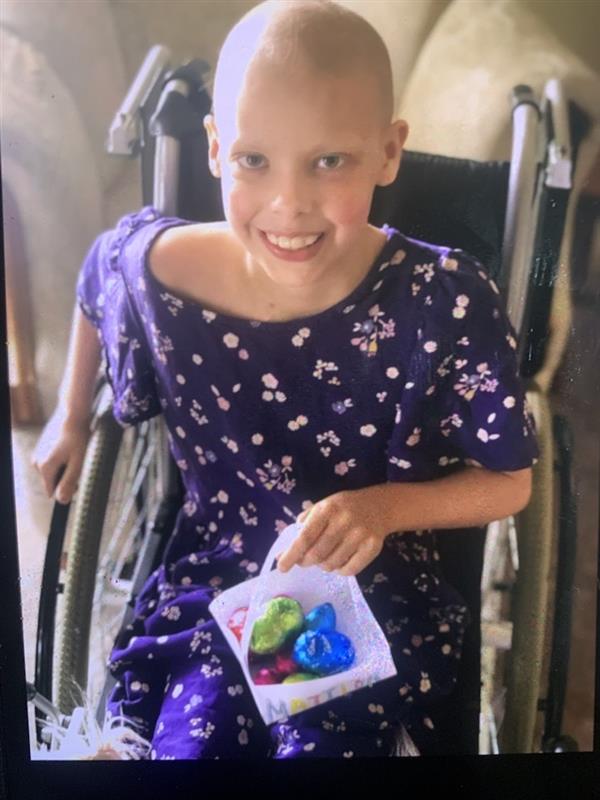
Matilda underwent years of treatment, including three types of chemotherapy and 32 surgeries to save her leg.
“I went to St Paul’s college in Walla Walla, where I spent a lot of my time on and off crutches because my bones were so fragile that even something as simple as walking could cause them to break,” says Matilda.
Her body endured enormous strain: feeding tubes, a port as well as hair loss. During this time, doctors also removed part of her ovary to preserve her future fertility.
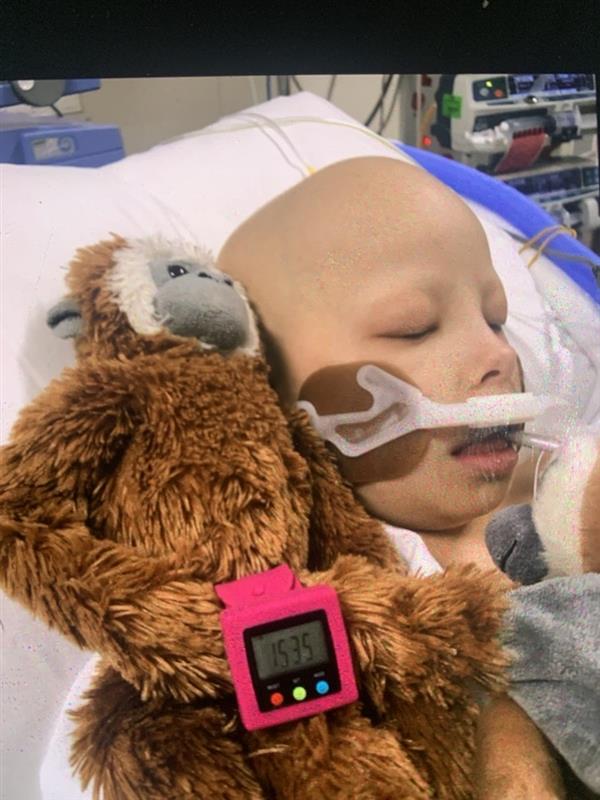
While the physical toll was immense, the emotional impact became especially visible during her teenage years.
From years 9-11, Matilda experienced significant PTSD and mental health challenges. Living in a regional community, she struggled to find others who understood what she had been through.
“There weren’t many people in my community who I could connect with about this,” she says.
Life now: looking forward
Today, at 18, Matilda is rebuilding her life as a childcare worker. Although she is now cancer free, the fear of it returning looms due to her diagnosis of Rothmund-Thomson syndrome, a rare genetic disorder she shares with her brother that causes brittle bones and increases cancer risk. It also means she requires annual check-ups; this is another new hurdle she’ll have to navigate as she transitions into adult care.
“I need to transfer all my data over to a new medical team now I’m 18,” she says.
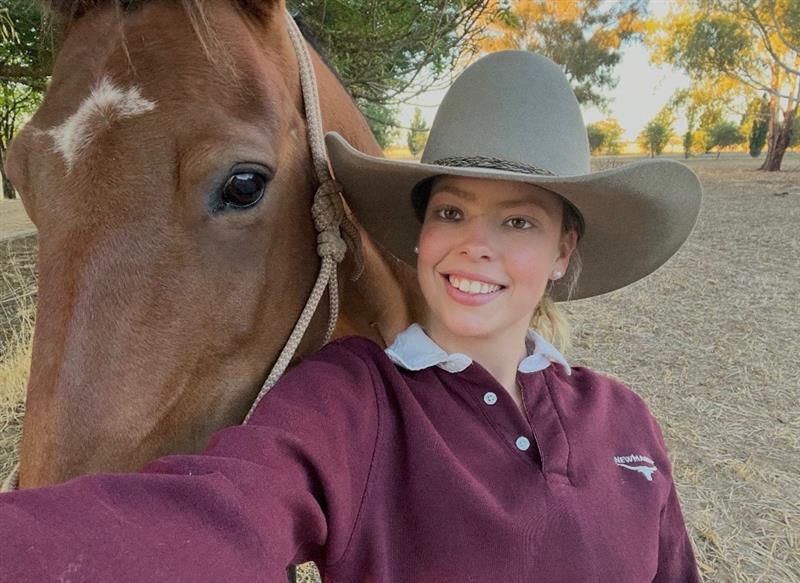
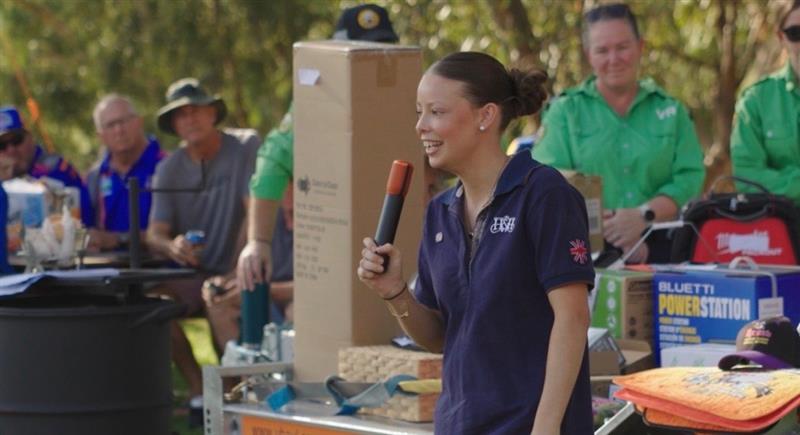
Matilda is focused on building a future while staying grounded in what matters most – family, resilience, and helping others through volunteering at art therapy programs. She also shares her story through public speaking, hoping to help others feel less alone.
Through this, Matilda found connection, purpose and healing.
“Being able to tell my story and turn something so painful into something that can help others has given me a sense of purpose and helped me heal from something so horrible,” she says.