For Sebastian, the hardest part of an extremely rare cancer diagnosis was not the treatment, but managing the complexities associated with the diagnosis.
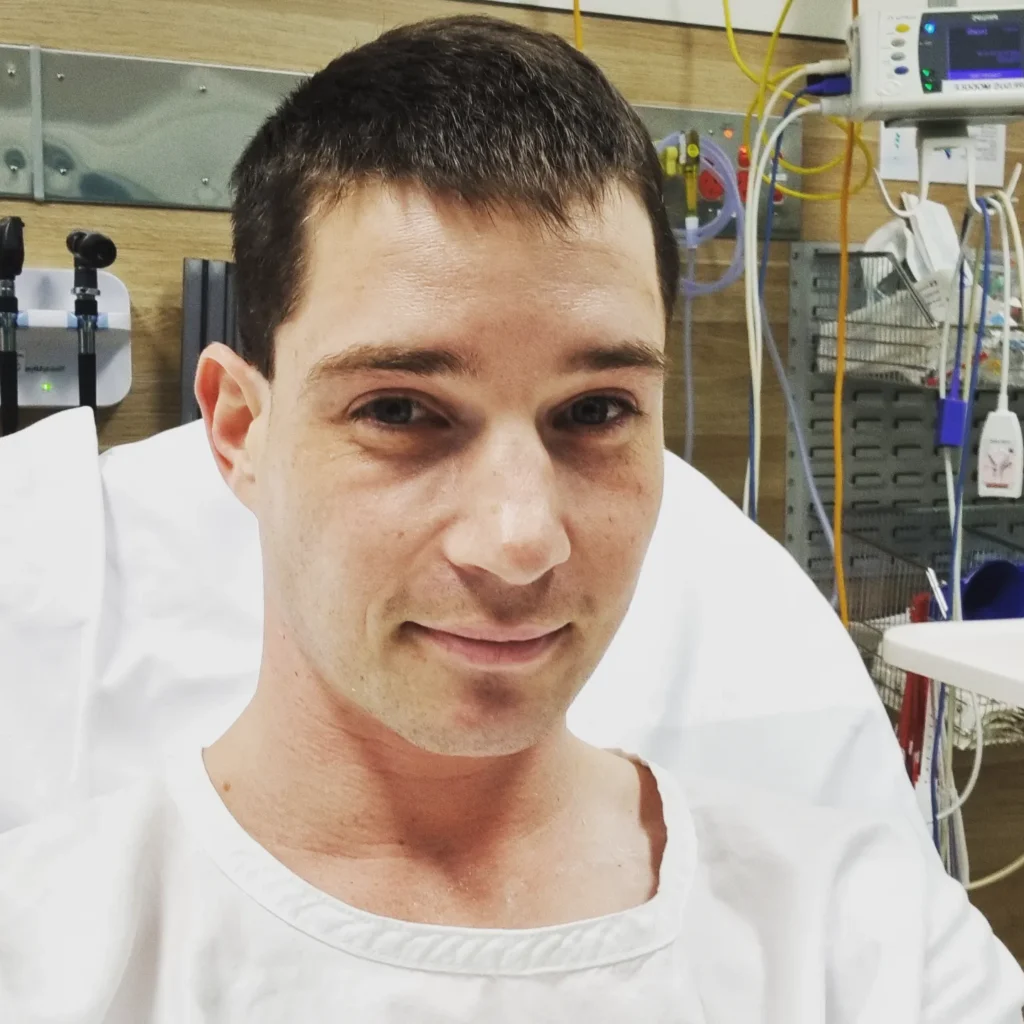
Sebastian’s mediastinal mixed-germ cell tumour – a very rare hybrid – was discovered only after a CT scan intended to rule out a blood clot took place.
“I am not sure I ‘felt’ anything other than immense frustration at first,” he says, describing the initial moment after his diagnosis. “Knowing I would have to undergo such extensive treatment for something that was essentially undetectable in my body at that point only added to my confusion and disbelief.”
A rare cancer is one diagnosed in fewer than six out of 100,000 people. Less common cancers occur in 6 to 12 per 100,000 Australians annually.
“It was so rare they consulted all relevant specialists in Australia to no clear result, so they asked some doctors in the USA,” said Sebastian.
After successful surgery to remove the tumour, Sebastian underwent chemotherapy with brutal side effects.
“The first cycle of chemo was fine; I was just ravenously hungry because of the steroids. But as I started the second cycle, things changed. I lost my sense of taste, I lost my appetite, and my body no longer knew how to regulate hunger. The chemo started to impact my quality of life, and all the side-effects I had initially been told about – how the drugs would damage my kidneys, and almost certainly render me infertile – started to weigh more heavily upon my mind. I started to feel a bit like Job, sitting atop his ash-heap.
But, like Job, it all worked out in the end: the treatment reached its conclusion, and my wife and I were delighted to discover we were pregnant around a year after my last cycle of chemo. In fact, we have another child due later this year!”
The unseen challenges of a ‘rare’ diagnosis
Rare cancers present a unique set of challenges – not just medically, but emotionally and socially.
Rare cancers are harder to detect early, have fewer specialists and treatment options, and force patients to navigate uncertainty from the start.
But for many, including Sebastian, the sense of isolation was overpowering.
“Explaining my diagnosis to each concerned friend, relative, and colleague – a draining task for anyone with cancer – was even harder because no one had heard of my cancer.”
That constant need to explain can become overwhelming and exhausting.
He set up an Instagram page to help field seemingly “endless questions” from family and friends.
“I just wanted a way to diffuse information without answering so many questions,” he explained.
“Before that, people thought I was being deliberately vague or obscure, but it was just that my cancer was really that rare.”
When cancer takes over the conversation
Navigating social interactions during treatment brings its own unique set of emotional challenges for anyone with cancer, but especially when the diagnosis is unfamiliar to others.
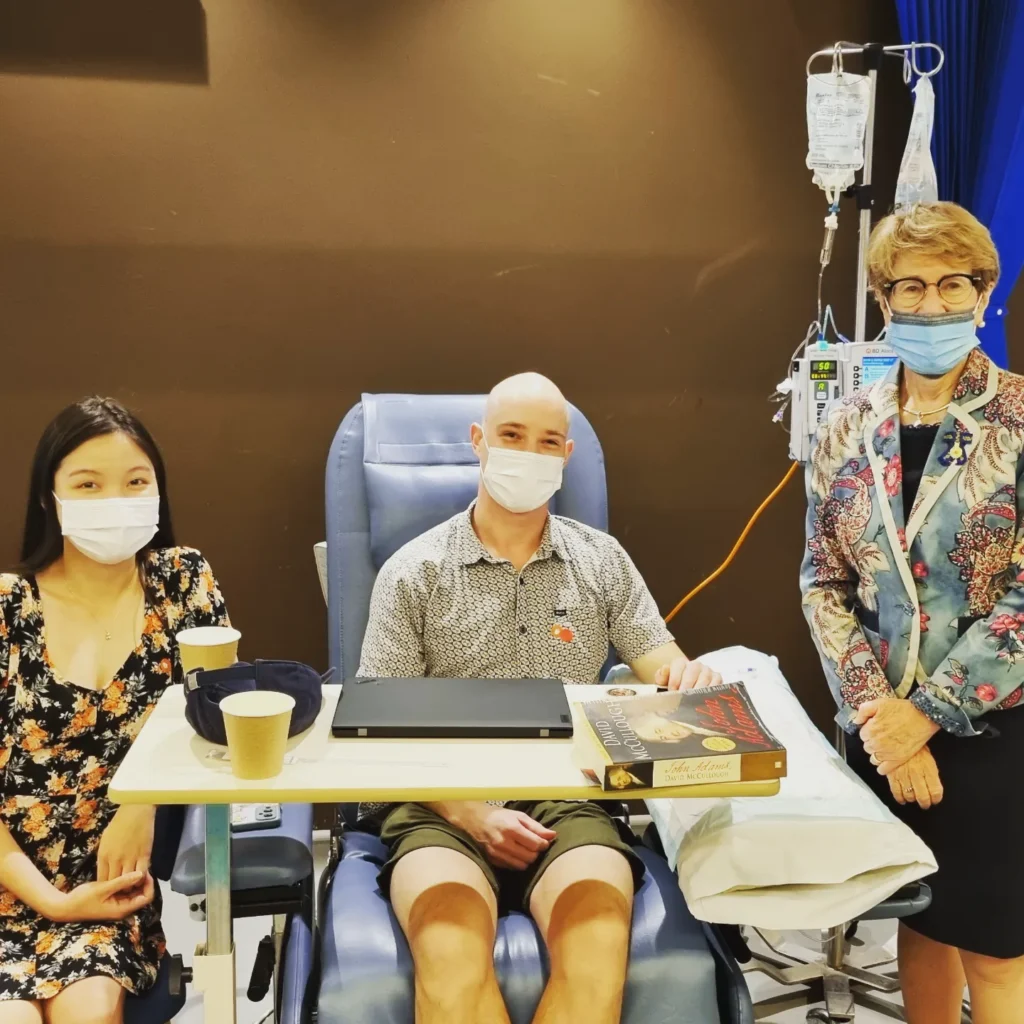
“I could see that many of my colleagues did not know how they should respond,” he says when he went through chemotherapy.
“The people I found most supportive were those who continued to interact and chat with me as normal, rather than those who skirted the issue entirely or wanted to make every conversation about the cancer. It consumed enough of my time as it was, so I was keen not to talk about it if I didn’t have to! Normal interactions felt more valuable to me during that time.”
His experience reflects a common reality: people living with rare cancers often feel isolated, not only because of the diagnosis itself, but because fewer people truly understand what they’re going through.
Rare Cancer Awareness Day on June 26 aims to shine a light on experiences similar to Sebastian’s.
Because while rare cancers may be less visible, the need for support is just as real.
For those diagnosed, trusted information and emotional support are invaluable. It’s also critical to foster everyday conversation, human connection, and support tailored to each person’s needs.
For anyone impacted by cancer, including rare or less common cancers, Cancer Council’s 13 11 20 Information and Support line offers free, confidential access to trained professionals.
See also: The year Sebastian got cancer was also the best year of his life