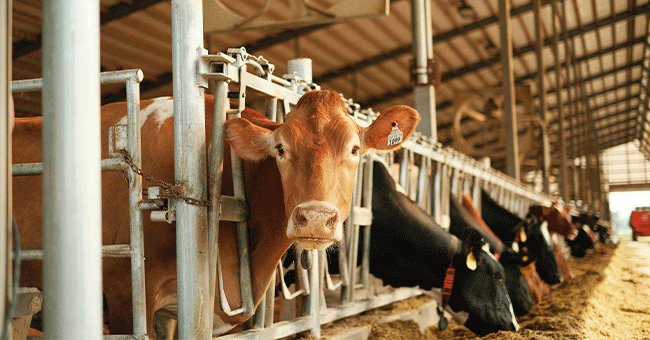
University of Otago – Ōtākou Whakaihu Waka research reveals less than two per cent of milk product goes to waste on Aotearoa New Zealand dairy farms.
Globally, food loss and waste is of increasing concern with estimates of loss reaching up to forty per cent. Yet, few studies have looked at food losses within a dairy context
Published in the Journal of Dairy Research, researchers aimed to understand the drivers and strategies that prevent food loss and waste.
They found only 1.8 per cent and 5.5 per cent of food is lost at farms and processors, respectively.
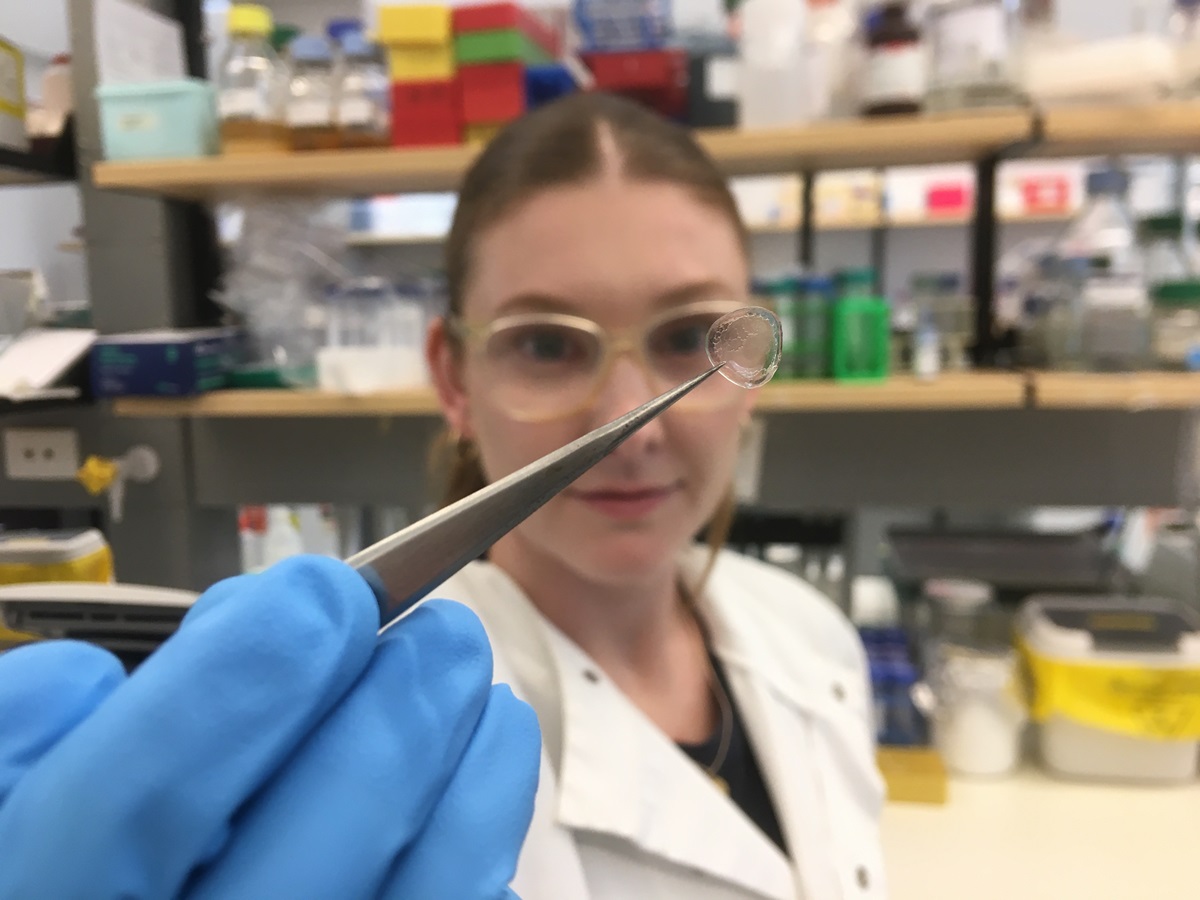
 Dr Jessica O’Connor
Lead author Dr Jessica O’Connor, of Otago’s Department of Food Science, says it comes down to strong relationships across the industry.
“We’ve identified the factors, decision rationales, relationships and technology used that have minimised losses,” she says.
That includes:
- a more equitable sharing of market power and risks of food production between the processor with farmers,
- trading of excess milk between dairy processor companies,
- a memorandum of understanding between dairy companies which prevented milk waste on farms,
- and incremental technological advancement by both farmers and the processor.
Dr O’Connor says the combination of these mean farmers have less risk of variable supply or infrastructure disruptions and therefore very rarely dump milk. Any early food loss on farms seems to be driven by attempts to mitigate risks.
“I think this greatly contributed to the low on-farm percentages observed in this study.”
Researchers analysed two New Zealand case studies, interviewing farmers, and staff who worked for a dairy processor.
One key concern about dairy loss was the limited options when farmers did need to dispose of milk.
“Although a proportionally small food loss is generated compared to total milk production, this still equates to substantial quantities which could be problematic when economic, environmental or operational conditions shift leading to changes in farmer and processor drivers or destination availability.”
Even a 1.8 per cent loss in the national herd is the equivalent annual production of 86,000 cows.
“Strengthening destination pathways through developing alternatives that align with more preferable options on the food loss hierarchy is an important future opportunity for maintaining sustainability across New Zealand’s dairy sector.”
Dr O’Connor says there has been limited data available on food loss, especially on farms, so this study is the first of its kind in Aotearoa.
“Often food losses and waste are simply ignored or not measured.
“This is in spite of this food costing the same money and resources to make, food insecurity concerns locally and globally, and greenhouse gas emissions coming from this wasted food.”
Food loss can be a sensitive topic to talk about, which may have contributed to the lack of data, she says.
“I am so grateful to the dairy processor who was fantastic to work with, was very forthcoming with the data, and supportive of this work. I am also so grateful to all the dairy farmers who were my participants.”
Publication:
Jessica O’Connor, Miranda Mirosa, Gina Lucci, Sheila Skeaff, Phil Bremer
Journal of Dairy Research