Twelve trainees are taking the first steps towards careers in culturally appropriate healthcare with new program bringing training to the region.
For the first time, Indigenous students in the Bega Valley region can undertake Aboriginal Health Practitioner training face-to-face and On Country without having to travel to Sydney.
The Bega Valley Aboriginal Health Practitioner Traineeship is a two-year program delivered by the University of Wollongong (UOW) and UOW College, in partnership with three regional health organisations: Katungul Aboriginal Corporation Regional Health and Community Services, Directions Health, and Southern NSW Local Health District.
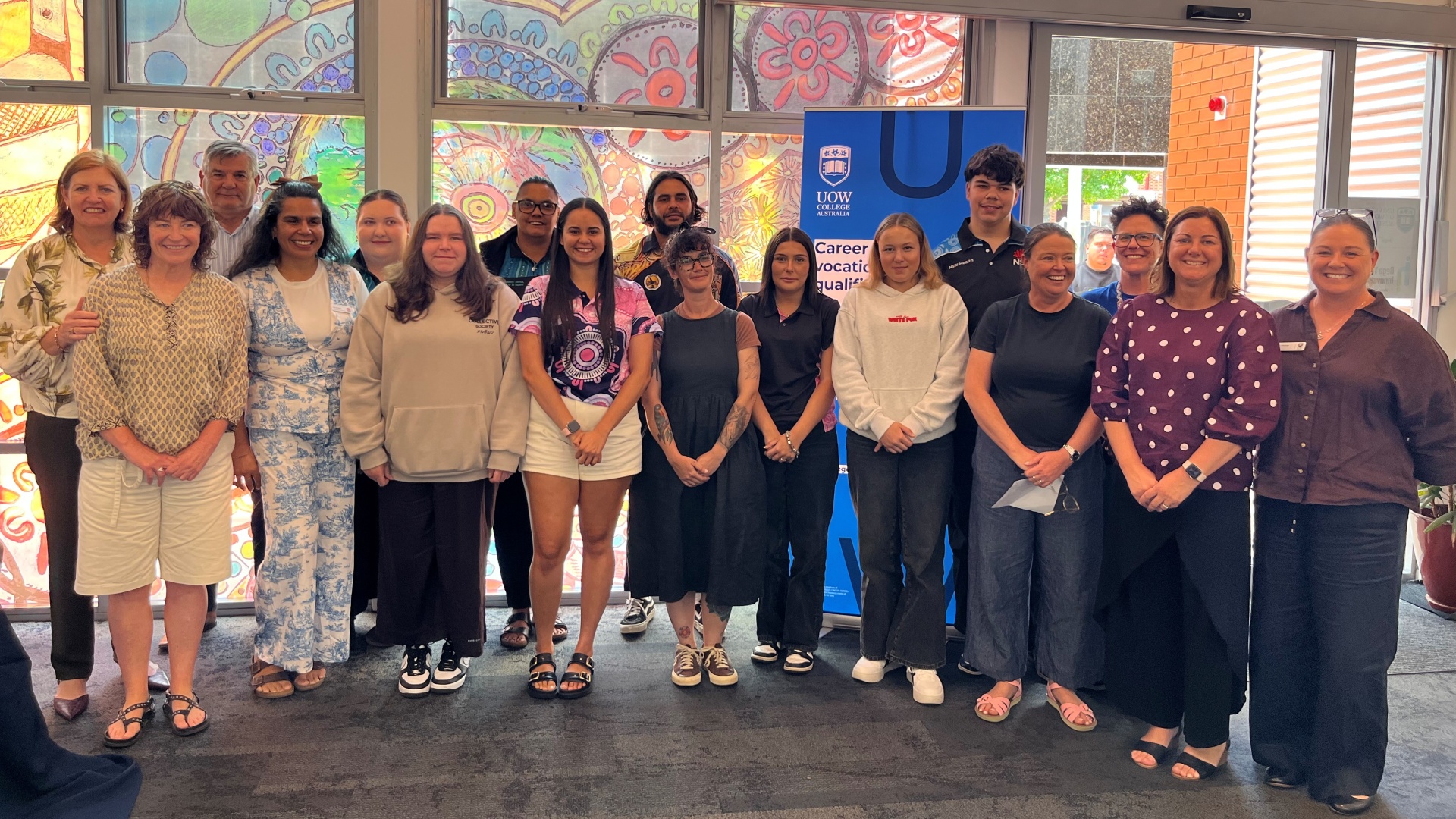
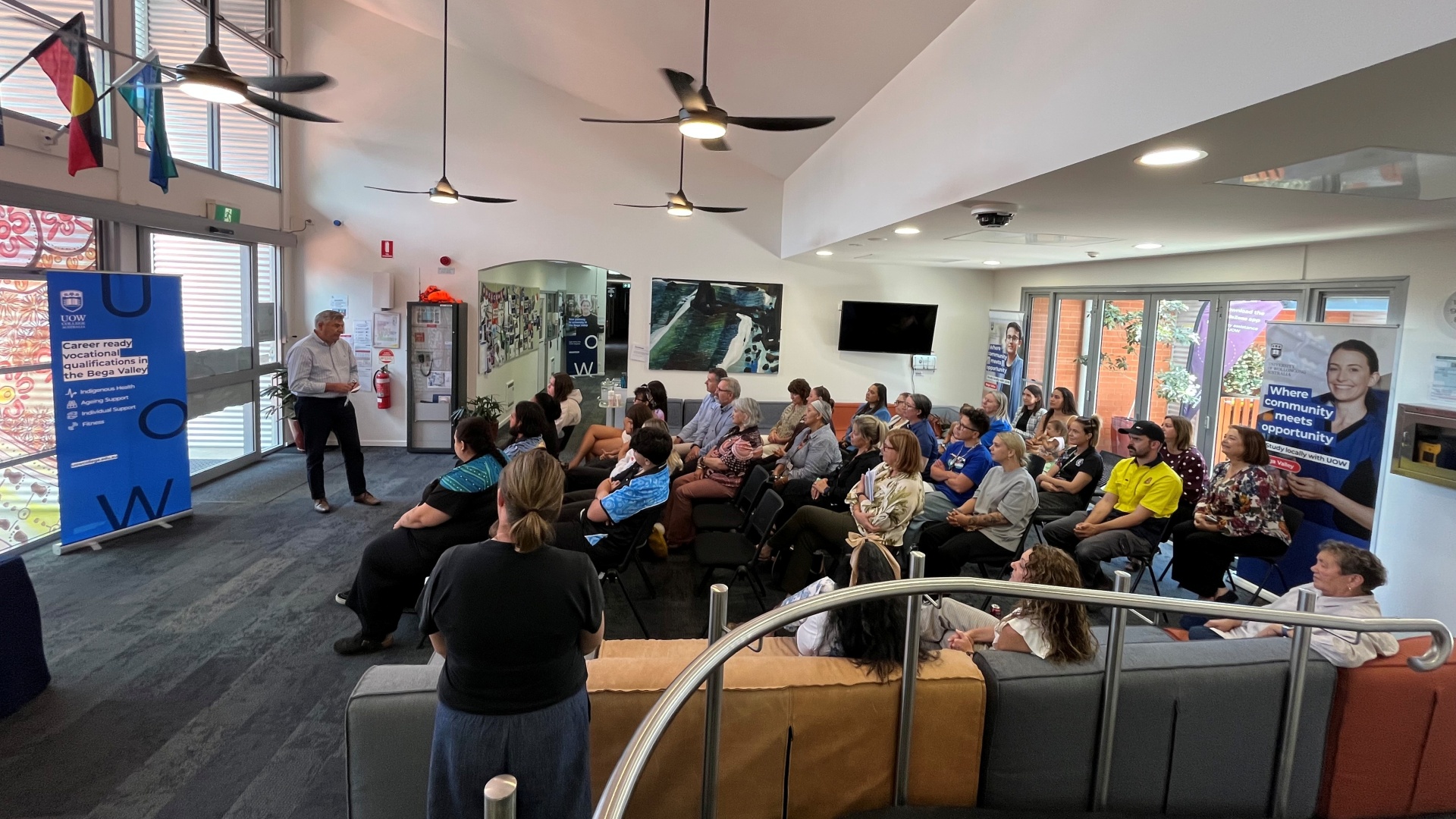
Officially launched at a community event on Thursday 19 November, the program supports 12 local Indigenous people to start the Certificate IV in Aboriginal and/or Torres Strait Islander Primary Health Care Practice, combining face-to-face training at UOW’s Bega campus one day a week with four days of workplace experience across the three partner organisations.
“Building a skilled Aboriginal health workforce within regional communities is essential to achieving this. Programs like this, delivered On Country, create opportunities for local Aboriginal people to gain qualifications, develop meaningful careers and put their skills into practice without having to leave their communities,” she said.
“This is about more than education. It is about strengthening local capability, supporting communities to retain their skilled people and ensuring the next generation of Aboriginal health practitioners can contribute to the health and wellbeing of their own communities.”
There are currently only two qualified Aboriginal Health Practitioners working in the region, despite its higher-than-average Aboriginal population.
The current program cohort is made up of local Indigenous people from many backgrounds including school leavers, people changing careers and existing health practitioners looking to upskill. The traineeship is an example of how accessible, locally delivered training could open different pathways into education and training while helping address skills shortages in regional communities.
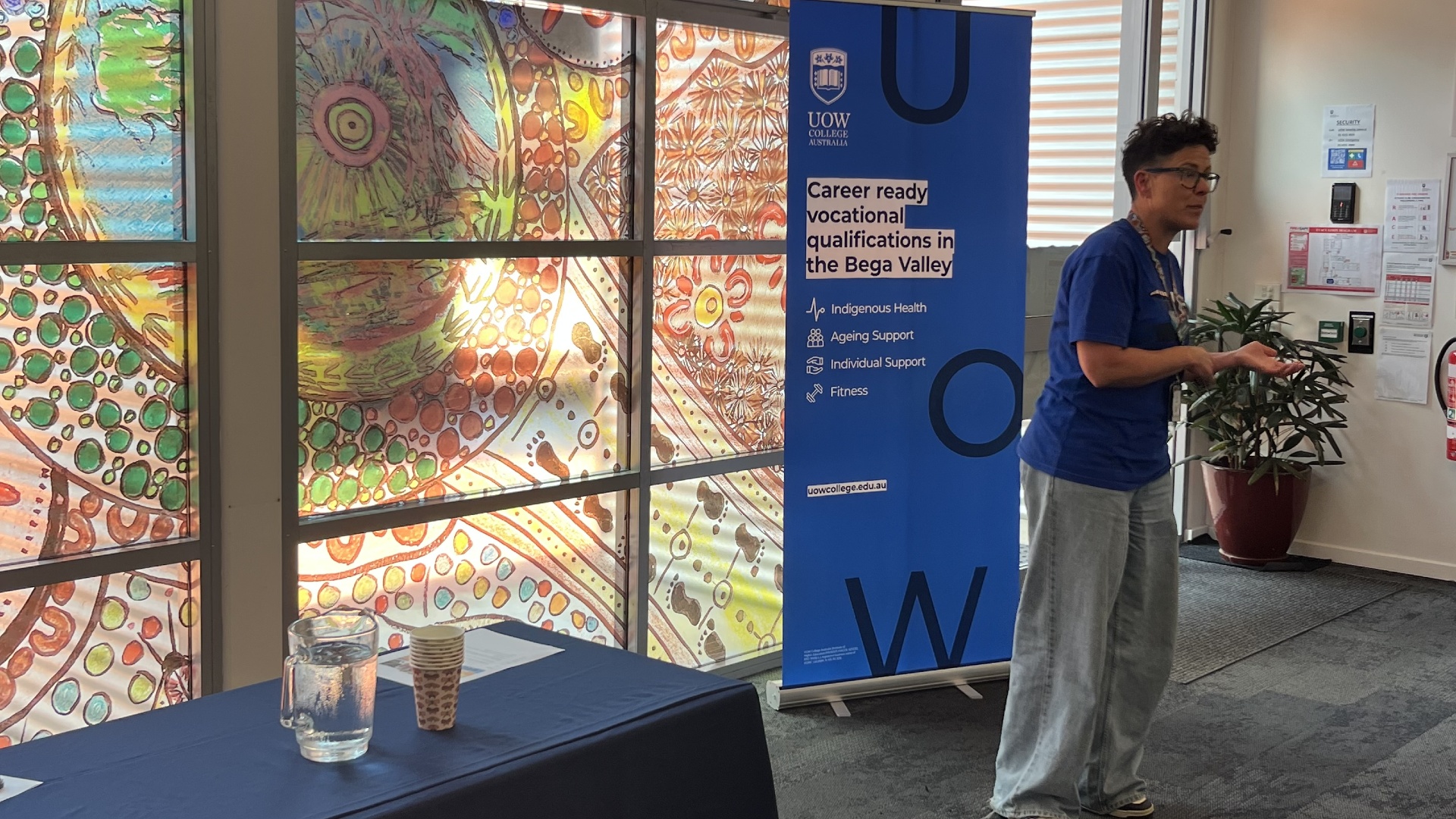
David MacQueen, CEO of Katungul, said the program reflected the importance of developing training that meets the needs of the region.
“This has taken a genuine community effort. Local Elders, allied health workers and the educators at UOW have worked closely with us to shape a program that not only responds to what the region needs but that provides holistic and culturally appropriate wellbeing services for Aboriginal communities.”
The program supports UOW’s commitment to creating positive local impact through education and partnerships that respond to community needs, while strengthening regional workforces and improving access to essential services.