As H5 bird flu continues to spread among wild birds, with detections along most of Victoria’s coast, poultry housing requirements in southern parts of the state have been extended for at least another 28 days.
Poultry owners with 50 or more birds in coastal and southern shires are required to confine their birds as an ongoing precautionary measure to reduce contact with wild birds.
‘Over the past fortnight we have seen many disease events along Victoria’s coastline. The majority of these have been in birds that tend to stay close to the coast, reinforcing that poultry in southern parts of the state are most at risk,’ Chief Veterinary Officer Dr Graeme Cooke said.
Recognising that there is also occasional inland disease activity, housing of poultry is still recommended in other areas, where possible.
The housing requirement will remain in place for at least a further 28 days and will continue to be reviewed based on current disease activity and the risk it poses to poultry.
The ACCC non-enforcement of free-range labelling applies for up to 90 days while a housing order or a recommendation was put in place.
Strong biosecurity measures remain the best defence against the spread of H5 bird flu.
‘Reducing contact between poultry and wild birds is one of the most effective ways to lower the risk of disease entering a flock, so we’re reminding poultry producers of the importance of maintaining strict biosecurity practices,’ Dr Cooke said.
‘It’s important that poultry owners review their biosecurity plans, remain alert for signs of disease and stay updated on the latest advice.’
The effects of H5 bird flu are highly visible in coastal regions, particularly in the southwest of the state.
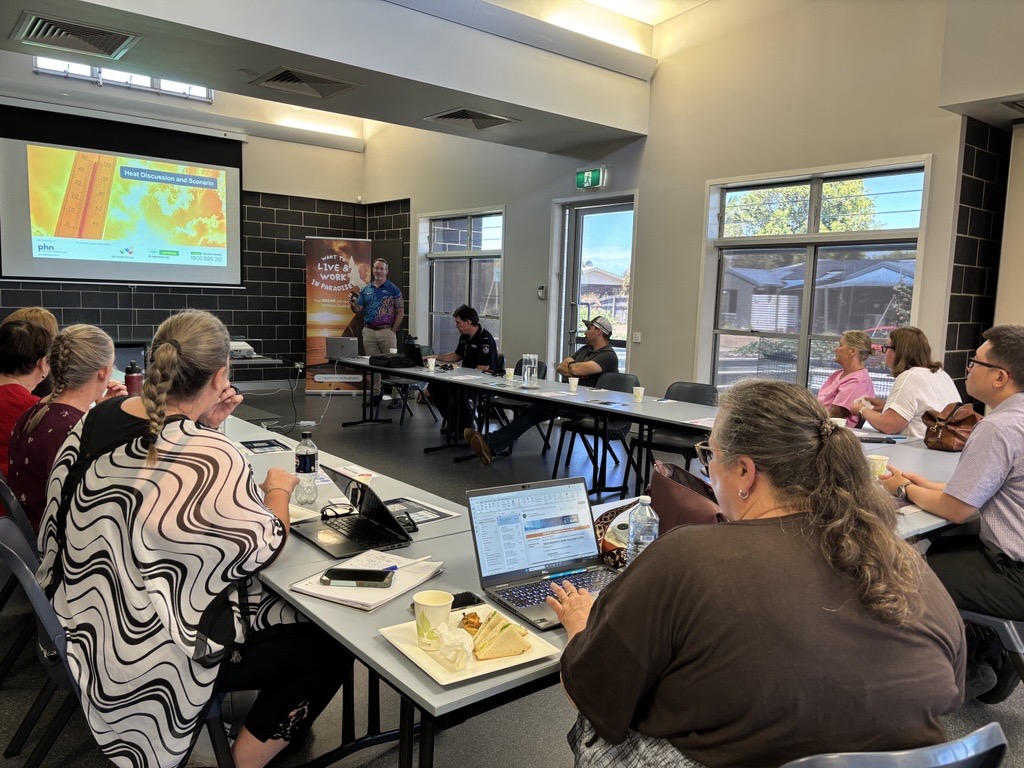
A series of community meetings and pop-up events have been held across Victoria’s most affected areas, helping authorities better understand local concerns and provide the latest information about the H5 bird flu response.
Bird flu cannot be controlled in the wild and with the upcoming breeding season for wild birds, communities can expect to see more sick or dead birds and wildlife, particularly around beaches, wetlands and waterways where birds gather.
‘We are grateful to community members who continue to report observations. This valuable information helps us better understand H5 spread in wildlife within Victoria,’ Chief Biodiversity Officer James Todd said.
‘We know it can be very upsetting to see sick or dead wildlife in places people feel connected to.’
If you see sick or dead birds or wildlife, report it via the Agriculture Victoria website