Vice Admiral Jonathan Mead, Director-General of the Australian Submarine Agency (ASA), told the Submarine Institute of Australia’s (SIA) Submarine Science, Technology and Engineering Conference (SubSTEC) in Adelaide last week that Australia is setting the global precedent for developing a sovereign nuclear-powered submarine capability.
He was joined by ASA Head of Nuclear Submarine Capability and Chief of Navy representative Rear Admiral Tom Phillips, alongside leaders from Defence, industry, academia and international partner nations, to discuss the progress and achievements being made across Australia’s submarine enterprise.
The representatives from Australia’s submarine enterprise discussed the workforce development, industry participation, infrastructure, stewardship and the delivery of Australia’s conventionally-armed, nuclear-powered submarine capability.
ASA leaders also delivered keynote addresses and participated in multinational panels to highlight Australia’s progress on the Optimal Pathway and the work underway to establish the sovereign capabilities required to safely and securely operate, sustain, build and maintain Australia’s future submarine fleet.
ASA Director-General Vice Admiral Mead said the conference was an important opportunity to reflect on how Australia’s submarine enterprise has evolved since the announcement of AUKUS.
‘Australia is on track to host U.S. Virginia-class submarines for Submarine Rotational Force-West from 2027. That is 12 months away. We are there and we are on track to be sovereign ready by 2032.’
Vice Admiral Mead’s fireside discussion with Vice President of the SIA and retired Commodore Peter Scott explored the growth of Australia’s submarine enterprise and how Australia is achieving milestones across industry, workforce, regulation and stewardship.
‘I’m highly confident that we have the workforce ready for SRF-West to support the in-water maintenance activities of U.S. Virginia-class submarines that will be rotating out of HMAS Stirling. We already have enough now.’
Vice Admiral Mead also said Australia continues to make significant progress across the submarine enterprise, with sustained momentum needed to across workforce, industry and infrastructure efforts.
‘It requires every person in the ASA, and in the broader ecosystem, to not take their foot off the pedal.’
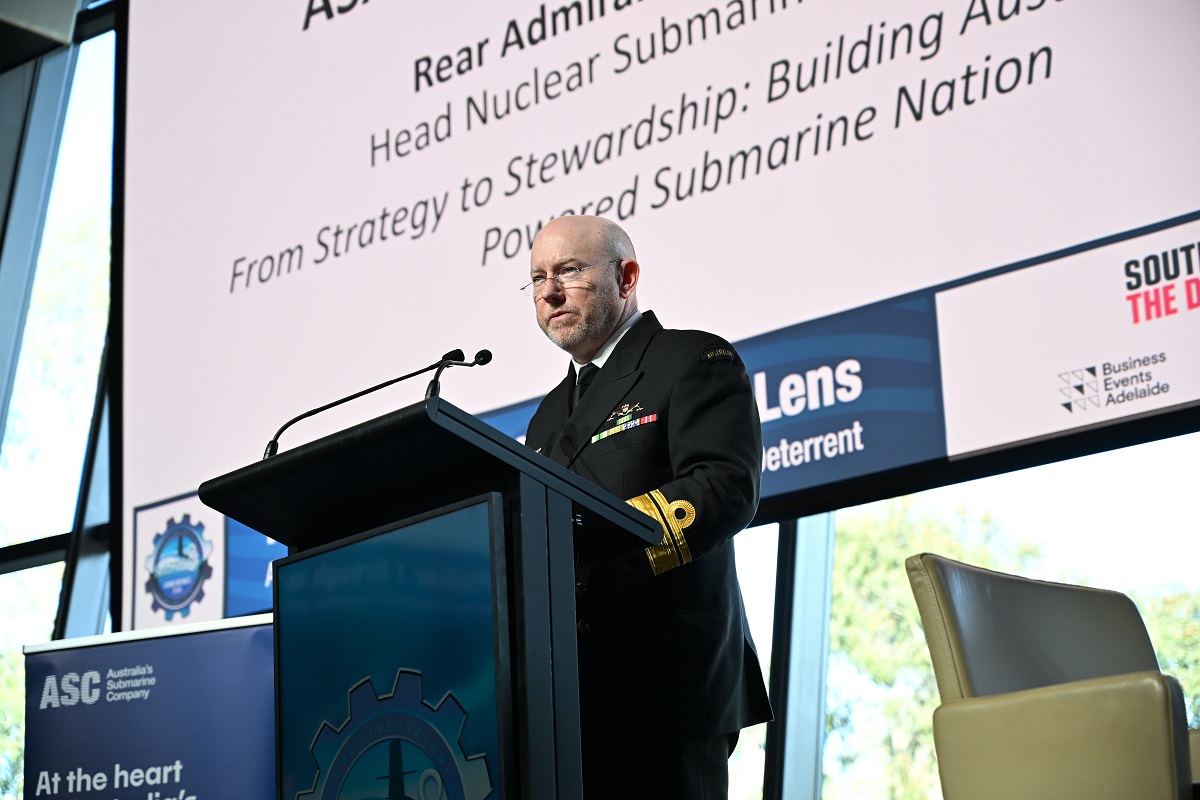
Representing the Chief of Navy, Rear Admiral Phillips delivered a keynote address outlining the progress made to develop Australia’s commitment to stewardship and the capabilities required to sustain Australia’s future submarines.
‘Operating, sustaining, and regulating submarines over their service life is a large challenge. But over the last five years, we’ve made steady progress to that.’
Rear Admiral Phillips highlighted progress being made across workforce development, industrial capability and infrastructure, noting Australians are already gaining practical experience through training, maintenance and sustainment activities alongside our AUKUS partners.
‘The most important capability Australia is developing today is not a submarine. It is a community of highly skilled professionals entrusted to operate one of the most sophisticated capabilities ever undertaken by our nation.’
Australians are now training and working all across the nuclear-powered submarine industry. This includes serving aboard US and UK nuclear-powered submarines, hosting maintenance activities, entering trilateral supply chains and working alongside our trilateral partners to design and develop the systems required to support this enterprise for the long term.
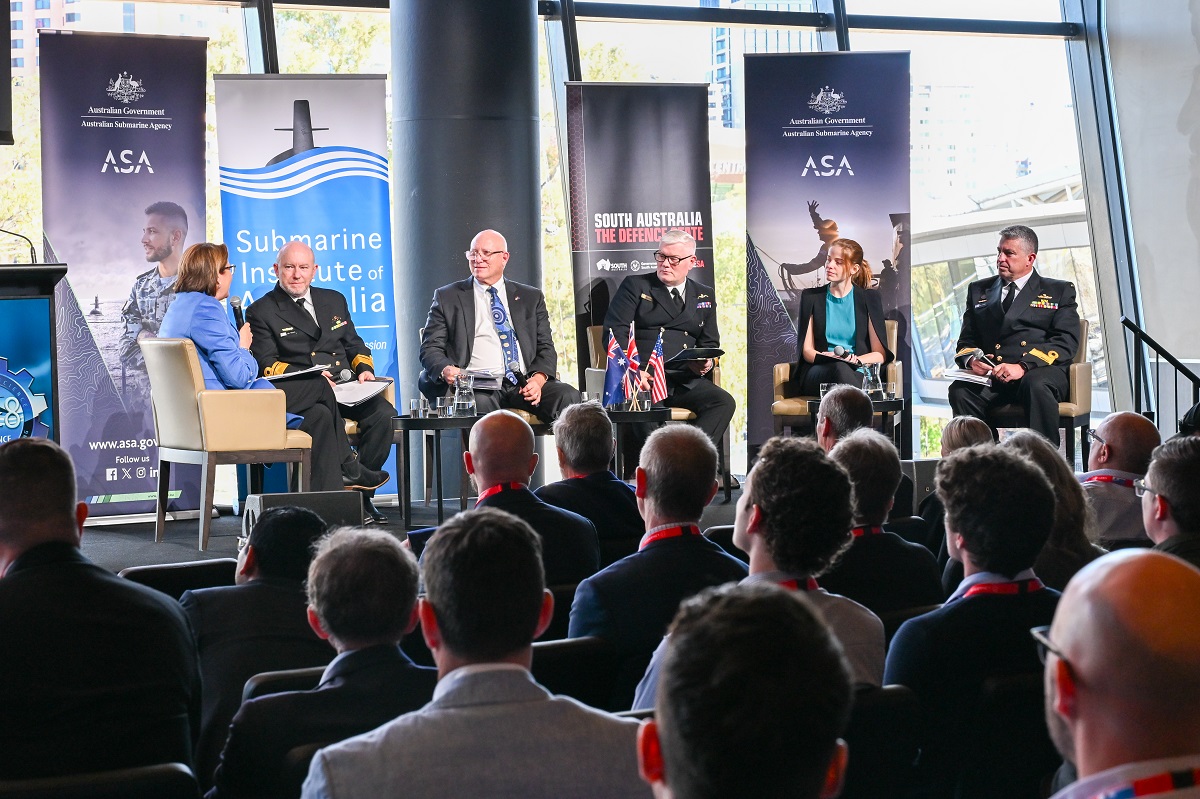
ASA representatives also joined United Kingdom and United States counterparts for a panel examining the importance of trilateral collaboration to deliver the Optimal Pathway.
SubSTEC 2026 comes as major infrastructure projects continue across South Australia and Western Australia, Australians undertaking training and placements with partner nations, and the growing presence of Australian industry in trilateral submarine supply chains.
The conference reinforced a consistent message across all presentations: delivering conventionally-armed, nuclear-powered submarines is not solely about acquiring a platform, but about building the workforce, industry, infrastructure and stewardship capabilities required to support the enterprise for generations to come.