Key Facts:
- Australian desk workers spend an average of 76% of their workday seated – more than six hours on a typical eight-hour day – despite ergonomics guidance from Cornell University recommending standing and moving for one to two minutes every 20 to 30 minutes.
- Ergonomic seating brand Sihoo Australia has identified eight distinct sitting postures that office workers naturally move between during the day, using spinal pressure data and dynamic balance tracking to study how people actually sit.
- Sihoo emphasises that good ergonomics is not about holding a single correct posture but about ensuring the body is well supported across all the positions it naturally adopts throughout the working day.
- Three free adjustments are recommended before purchasing any new equipment: setting seat height so feet rest flat on the floor, using the backrest to support the lower back, and building short movement breaks into the working routine before discomfort sets in.
- The 20 to 30 minute movement guideline is best treated as a habit rather than a precise physiological threshold, and a simple workplace reminder to stand or shift position costs nothing whilst being backed by published ergonomics research.
South Granville, NSW (17 September 2026) – Australian desk workers spend an average of 76% of the workday seated, and ergonomics guidance says they should be up every 20 to 30 minutes
Ergonomic seating brand Sihoo Australia is encouraging Australian desk workers to rethink how long they sit in one stretch, pointing to published ergonomics guidance that most office workers have never been told.
Australians Are Sitting More Than Six Hours a Day
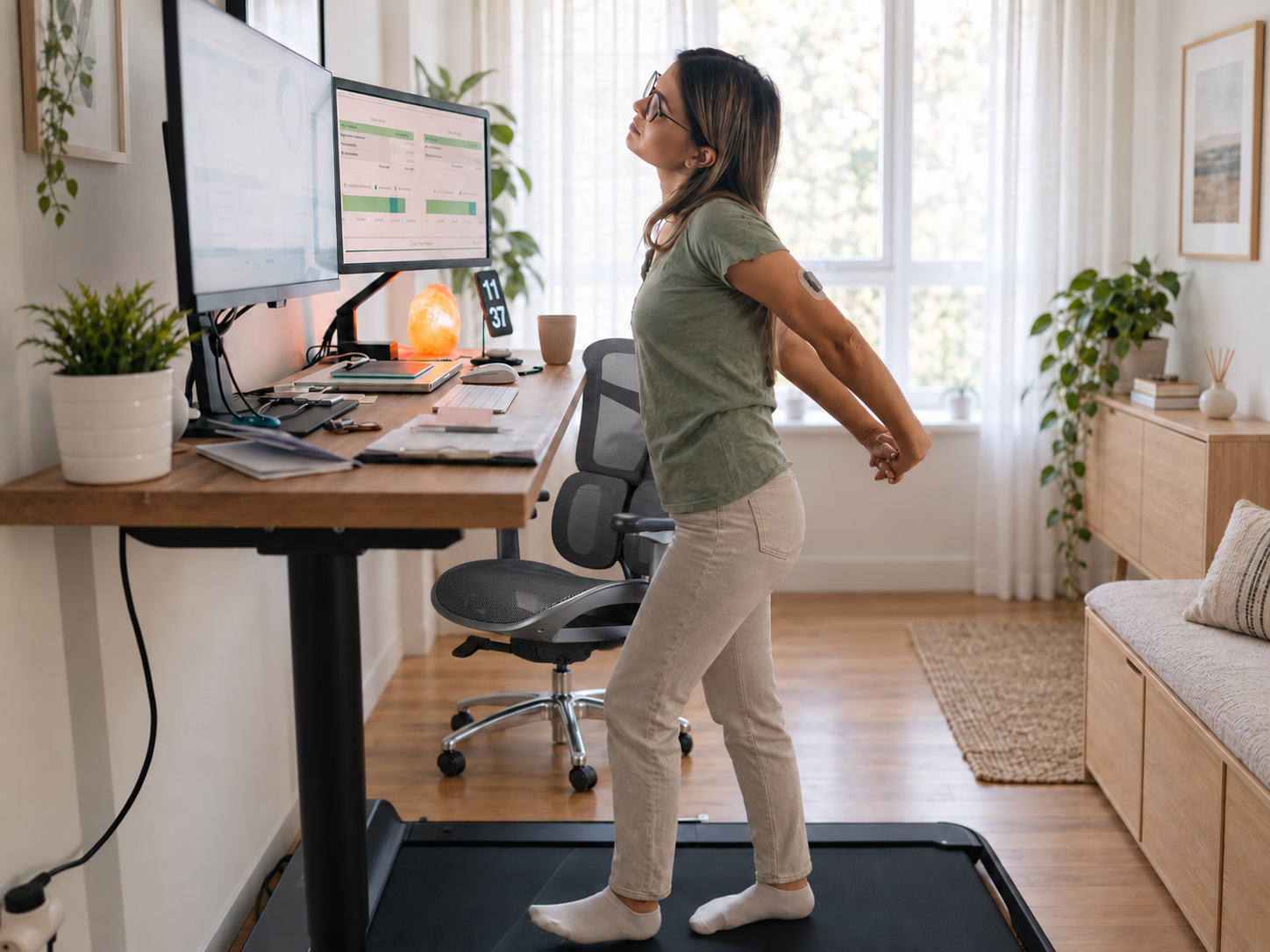
Ergonomics researchers at Cornell University advise standing and moving for one to two minutes every 20 to 30 minutes of seated work. The recommendation is meant to break up long periods of sitting rather than to replace longer breaks in the day.
The gap between that advice and everyday working life is measurable. Research from BeUpstanding, a workplace program developed at The University of Queensland, puts sedentary time among desk-based workers at an average of 76% of the workday. On an eight hour day, that is more than six hours seated.
Sihoo Tracked Eight Ways Australians Actually Sit
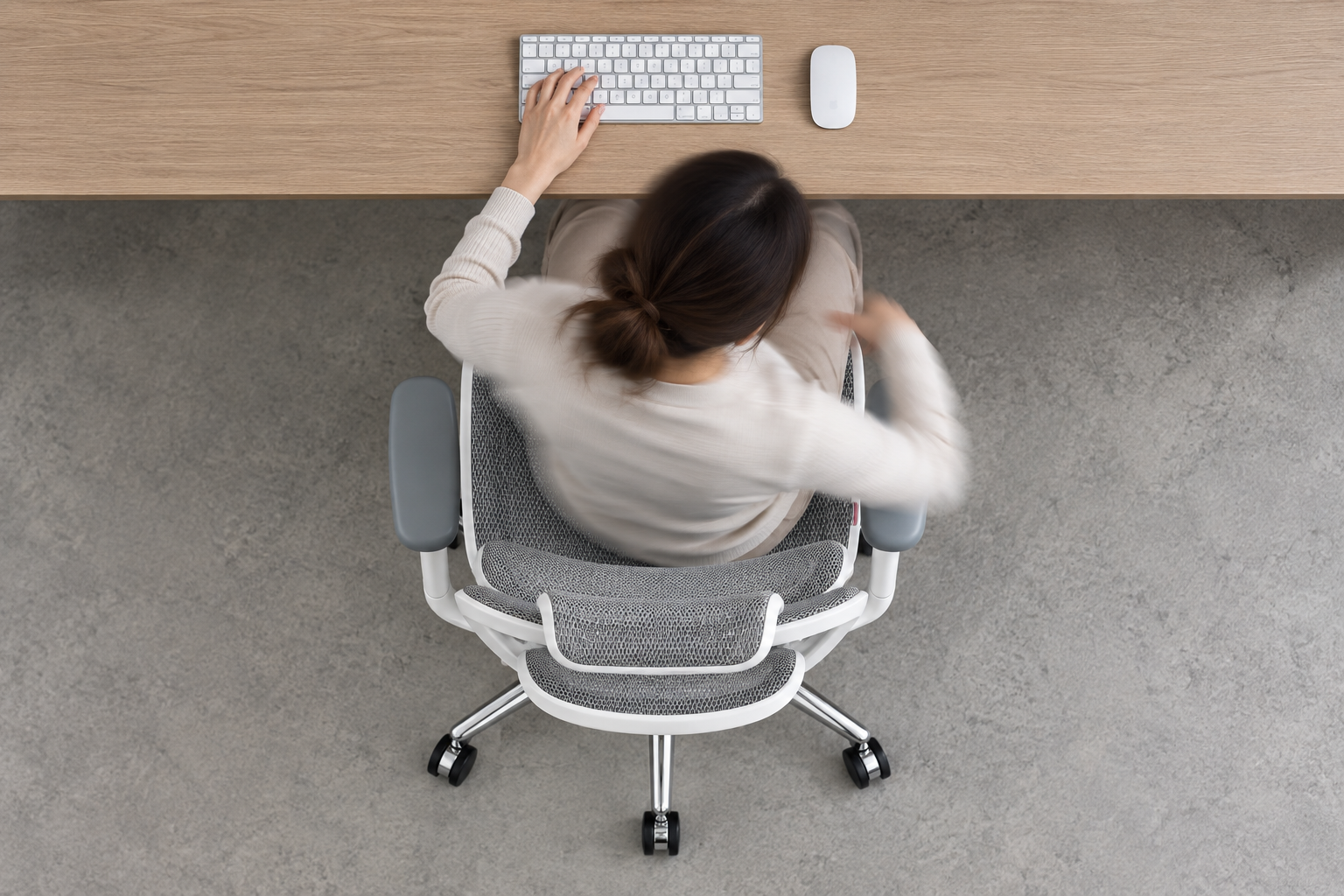
Sihoo’s own ergonomic research approaches the question from a different angle. The brand’s research institute works from the position that sitting is not static, identifying eight distinct sitting postures that office workers move between during a day. It studies them through a physiological feedback system that collects spinal and muscle pressure data, and a motion feedback system that tracks the trajectory of sitting posture using dynamic balance parameters.
“Most people think good posture means sitting up straight and staying still, but that’s actually the opposite of what your body needs,” said Joseph Lacson, a Sihoo Australia spokesperson. “Our research looks at how people actually sit through a real work day, moving between postures dozens of times. The goal isn’t to lock someone into one position. It’s to make sure every position they naturally move through is supported.”
That research supports a practical distinction. Ergonomic sitting is not about holding one correct position for hours. It is about being supported well enough that changing position stays comfortable.
Three Free Fixes Before You Buy Anything
Sihoo Australia recommends three changes that cost nothing.
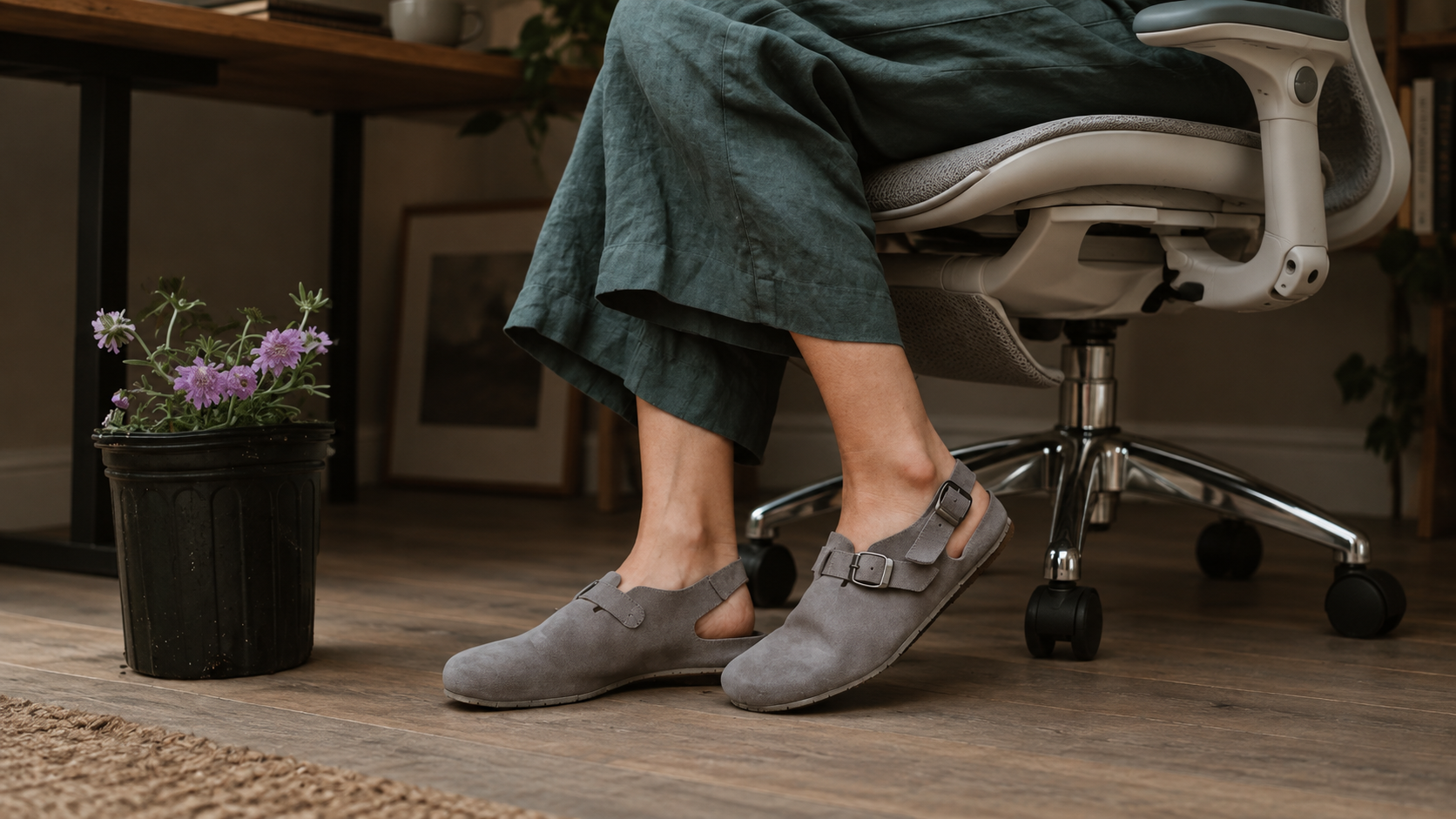
Adjust the seat so the feet rest flat on the floor and the knees sit at a comfortable angle.
Use the backrest to support the lower back rather than sitting away from it.
Building short movements breaks into the working routine instead of waiting for discomfort to arrive.
The same principle applies across a workplace, where a reminder to stand, walk or shift position can break up long periods of seated work without any new equipment.
The chair is the fourth part of the equation. Its role is to support the body while allowing the changes in posture that happen naturally across a working day.
“We hear from a lot of Australian workplaces that are trying to do the right thing but don’t know where to start,” the spokesperson added. “It doesn’t need to start with new furniture. A reminder to stand up every 20 to 30 minutes costs nothing and it’s backed by the same research we design our chairs around.”
Why 20 to 30 Minutes, Not a Fixed Alarm
Sihoo notes that no research identifies a single moment at which posture fails. The 20 to 30 minute figure is guidance on how often to interrupt sitting rather than a measured physiological limit, and is best treated as a movement habit.