Academic citations tell us how often research is credited by other researchers, but not whether a mine is safer or if a tumour was treated more effectively, writes Vice-Chancellor Professor Max Lu
A citation is an act of acknowledgement: one researcher telling another, “I built on your work”. Add enough of them together and you get a number that can measure a university’s impact.
This year those numbers were kind to the University of Wollongong. The QS World University Rankings 2027 place us 71st in the world, and fifth in Australia, for citations per faculty member. In the Times Higher Education World University Rankings 2027, our research quality rose 30 places to 176th among 2,297 institutions.
I am proud of those results. They reflect the quality and influence of our research, but rankings tell only part of the story. They cannot fully capture the breadth of our expertise, the problems our researchers are solving or the difference their work makes beyond academia.
A citation count is a lagging indicator. It records that, some years ago, someone in a laboratory, a clinic or a mine did something their peers could not ignore. For a university that turned 50 last year, reputation lags further still. So rather than argue from a league table, let me introduce five teams behind the publication and citation counts.
Making green hydrogen cheap enough to matter
A conventional electrolyser wastes about a quarter of its electricity as heat.
and his team asked why and redesigned the cell so that water reaches the electrodes by capillary action, with no gas bubbles in the way. Their 2022 paper in Nature Communications reported cell efficiency of 98 per cent and overall system efficiency of 95 per cent, compared with around 75 per cent for conventional technology.
The spin-out company, Hysata, has since raised $163 million from investors led by BP Ventures and Templewater, built a factory at Port Kembla and, in June, took its first commercial megawatt-scale order. Professor Swiegers now directs the ARC Centre of Excellence for Renewable Fuels, which brings together seven Australian universities and 16 industry and international partners to work on green hydrogen, ammonia and methanol.
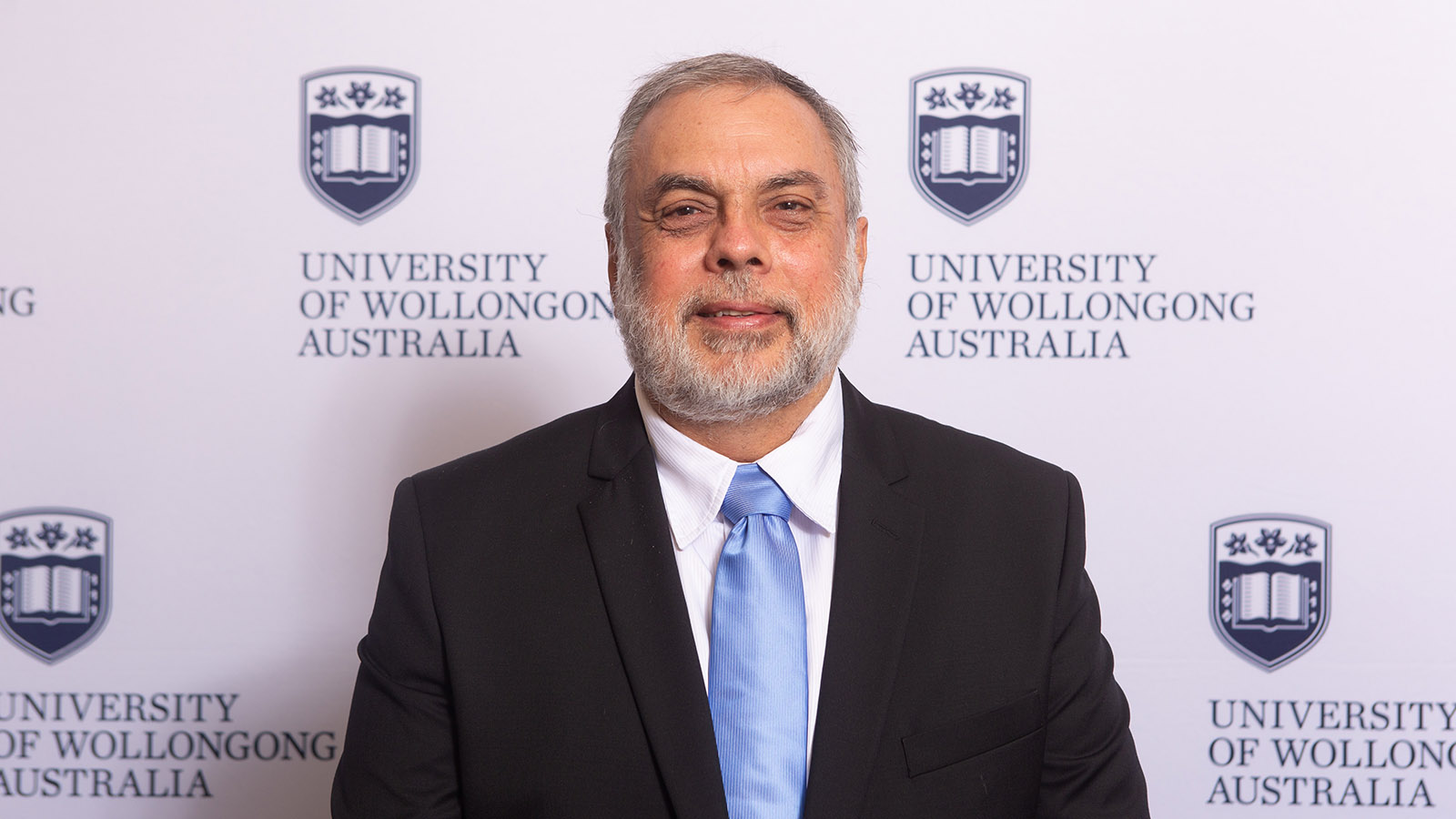
Distinguished Professor Gerry Swiegers
Rethinking the mind
UOW’s international reputation in materials science is well established, fewer people know that QS ranks Wollongong sixth in the world for philosophy, a result built on one sustained question: is the mind a computer inside the skull, or something a living body does in its world?
Chair Professor Daniel Hutto‘s Radicalizing Enactivism (MIT Press, 2012), written with Erik Myin of the University of Antwerp, argued for the second answer and has been cited more than 2,600 times. Professorial Fellow Shaun Gallagher, who also holds a chair at the University of Memphis and received the Humboldt Foundation’s Anneliese Maier Research Award, has carried the idea into psychiatry and the study of skilled performance. Professor Michael Kirchhoff‘s The Idealized Mind (MIT Press, 2025) tests it against the models neuroscientists use.
This work has influenced how researchers design mathematics teaching and how clinicians think about disorders of the self. It also matters more each year, as the world argues about whether machines can think.
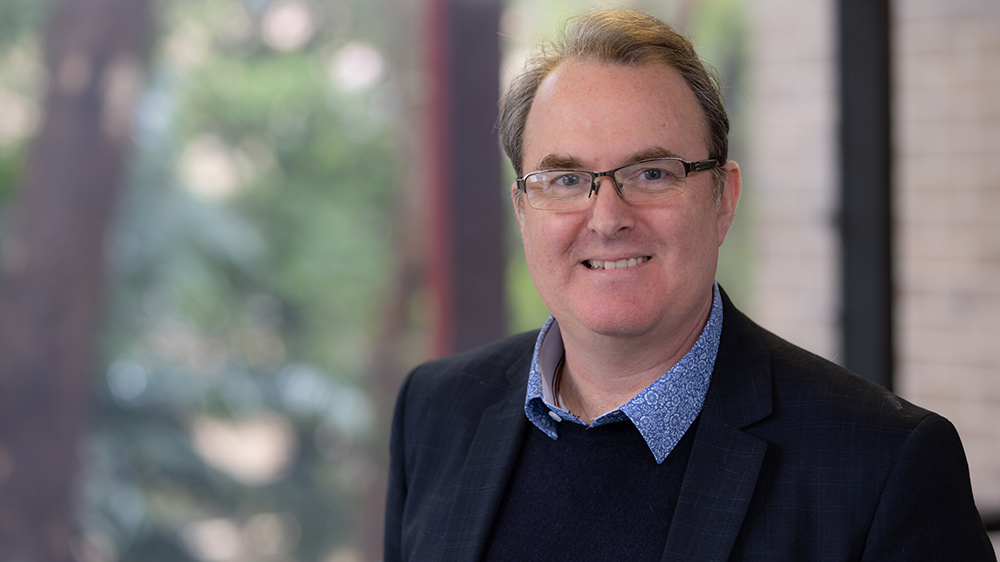
Chair Professor Daniel Hutto.
Safer mines and a second life for old ones
Wollongong grew up on coal and steel, and so did its university. Mining engineering here ranks in the world’s top 100 in QS and 48th in ShanghaiRanking because the problems are next door.
Professor Ting Ren works on three major safety risks in underground coal mining: dust, gas and fire. His team models how dust, gas and air move underground, then designs controls around what the models show. At GM3’s coal mines near Wollongong, his research has improved longwall water sprays to better control dust for a safer work environment. His work on gas has improved controls to prevent gas outbursts and informed gas-management practices. In Queensland, his work on goaf gas behaviour helped Anglo American resume safe coal-cutting operations following underground gas ignition incidents.
UOW’s mining expertise has applications beyond coal. Green Gravity, founded by a Wollongong graduate and based on our Innovation Campus, stores renewable energy by raising and lowering heavy weights in disused mine shafts.
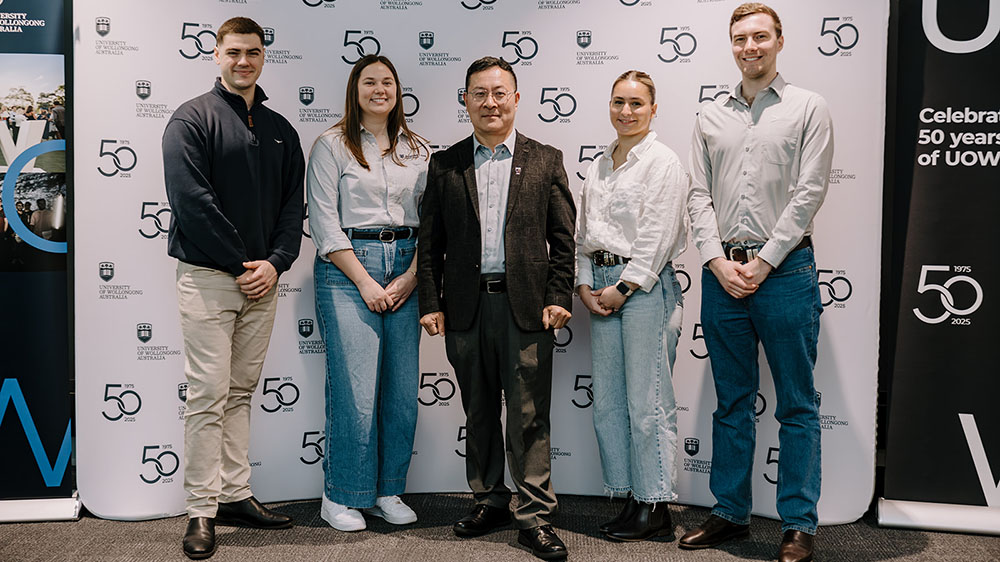
Professor Ting Ren with UOW mining engineering students.
Five days in the bush that change how nurses see mental illness
In 2013, Professor Lorna Moxham could not find enough mental health placements for her nursing students. Her solution was to bring 20 nursing students and 20 people living with mental illness together for a five-day bush camp. The experience changed both groups.
Recovery Camp, built with co-founder Dr Christopher Patterson, is now a nurse-led social enterprise. To date, 59 programs have been delivered across four states, with 2199 students attending Recovery Camp as their clinical placement, gaining 175,000 hours of mental health clinical experience. And 1655 people with lived experience of mental illness have attended the program.
Over 30 peer-reviewed papers record what happens: stigma falls among students, and confidence rises among the people the camp calls its experts, people living with mental illness.
Nursing at Wollongong ranks 36th in the world in QS and 24th in ShanghaiRanking. This is the kind of work that sits behind those numbers.
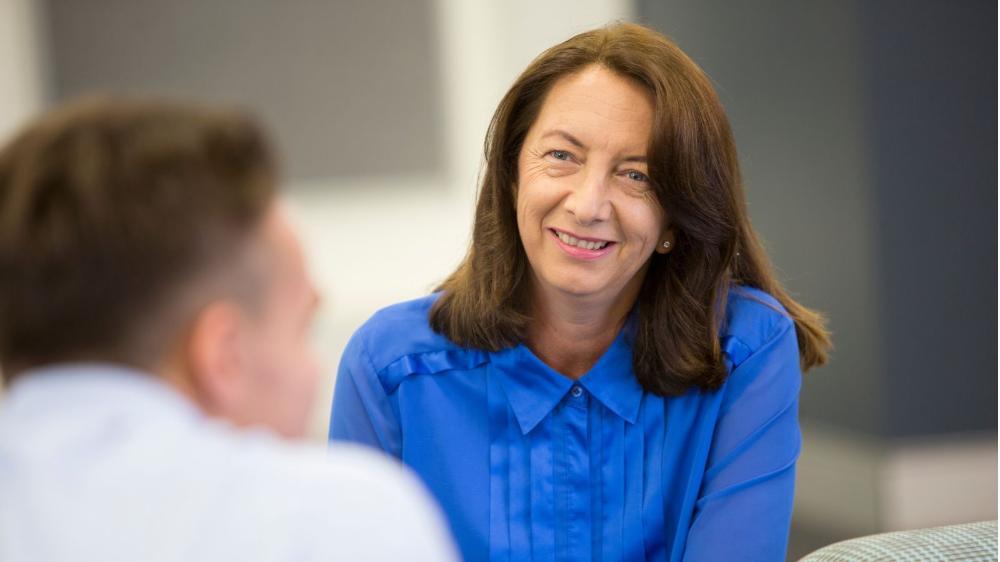
Professor Lorna Moxham.
Measuring radiation one cell at a time
More than half of cancer patients receive radiation therapy and precision is critical: the dose must target the tumour while limiting damage to healthy tissue. Distinguished Professor Anatoly Rozenfeld, who lost both parents to cancer, has spent his career developing detectors that make treatment safer and more effective.
As founder of UOW’s Centre for Medical Radiation Physics (CMRP), he has led development of radiation sensors. MOSkin™, developed at CMRP, is a skin-mounted detector that measures dose in real time during treatment. Commercialised by UOW spin-out Electrogenics Laboratories, MOSkin has received US Food and Drug Administration clearance and is used at the heavy-ion therapy facility in Chiba, Japan, and proton therapy centres internationally.
In collaboration with the Australian Nuclear Science and Technology Organisation and SINTEF in Norway his team has developed silicon microdosimeters that measure radiation at the scale of individual cells. Arrays of microscopic sensors reveal how radiation interacts with tissue and are used internationally in particle therapy research.
The same technology has applications beyond medicine. Developed with US space research partners, the microdosimeters measure radiation in space and assess risks to astronauts and spacecraft electronics. The European Space Agency has funded a version for space missions.
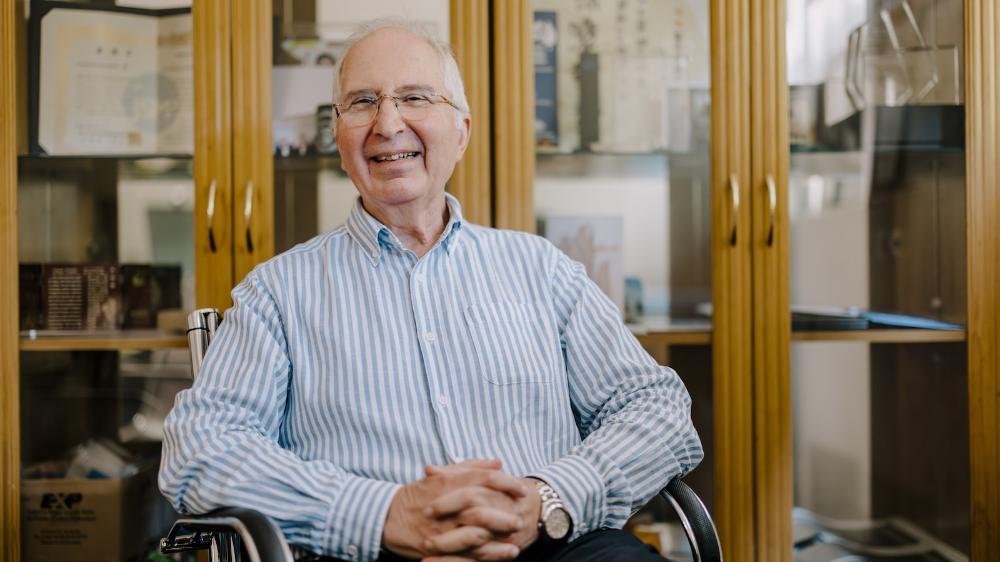
Distinguished Professor Anatoly Rozenfeld.
What the five research teams have in common
None of these researchers set out to improve a university ranking. They started with problems that needed solving: cleaner energy, safer mines, better mental health care, a deeper understanding of the human mind and more precise cancer treatment. Their work has attracted international recognition, influenced practice and created opportunities for collaboration well beyond Wollongong, from Antwerp and Memphis to Norway and Japan.
Together, these achievements help explain why a university of our age and size is cited at more than four times the global average. But they also tell a bigger story about the depth and breadth of research at Wollongong, and the contribution our researchers are making to their fields internationally.
So I will end with an invitation. If you work in any of these fields, or share an interest in tackling any of these problems, you are most welcome to connect and collaborate with colleagues at the University of Wollongong.
Professor G.Q. Max Lu AO is Vice-Chancellor and President of the University of Wollongong.