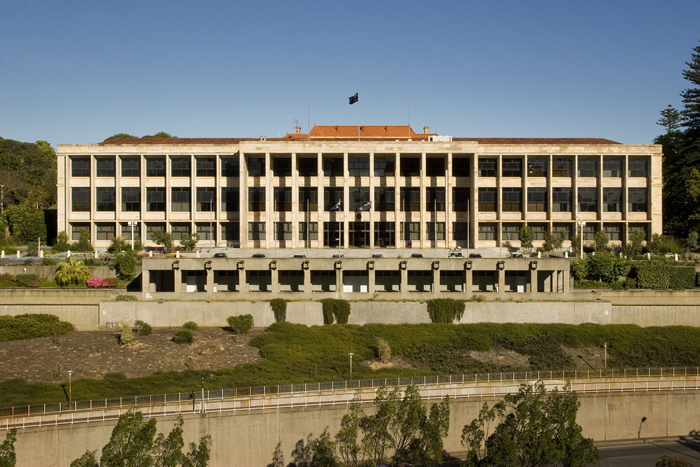
Melbourne has one of the highest property vacancy rates in the country, and with reports that state and federal housing targets cannot be met, vacant second grade office buildings offer a unique opportunity. An RMIT expert explains.
Dr Usha Iyer-Raniga, Professor of sustainable built environment:
“Adaptive reuse of vacant office buildings may partially solve the housing crisis. These buildings offer a great opportunity as they are often accessible and situated close to amenities.
“Leaving the buildings as they are not only reduces rental income for the owners; it also reduces their asset value over time. Unoccupied buildings may attract unwanted social attention, further degrading the value of the property and its immediate surrounds.
“A recent example of adaptive reuse is Make Room at 602 Little Bourke Street, where the building was converted into safe, supportive transitional housing for people – showing how collaboration can support pathways to permanent housing.
“While not all buildings are appropriate for housing, some of these may be used for student accommodation, medical clinics, aged care or child-care facilities.
“Depending on the location and amenities needed, a detailed study will need to take place to determine opportunities for adaptive reuse, along with government funding to support these initiatives.”
Usha Iyer-Raniga is Professor, Sustainable Built Environment in the School of Property and Construction Management at RMIT University. Usha is co-convenor for the World Sustainable Built Environment Conference on 10-12 June 2026.
***