In the heart of Gunaikurnai Country in Gippsland sits Holey Plains State Park, an area that protects more than 11,000 hectares of heathy woodlands and wetlands. The park is home to many native plants and animals, including at least 37 threatened species.
On a hot windy day in January 2019, a fire ripped through Holey Plains. It was a catastrophic event with a post-fire assessment revealing severe impacts for the ecosystems and wildlife.
‘It was pretty devastating,’ Holey Plains Senior Ranger Paula Dower said.
‘More than 85 per cent of the park was burnt, most of which was full crown burn. Lots of the wetlands were burnt right down to the peat layer.’
Following the assessment, Parks Victoria established a long-term ecological recovery and monitoring program at Holey Plains.
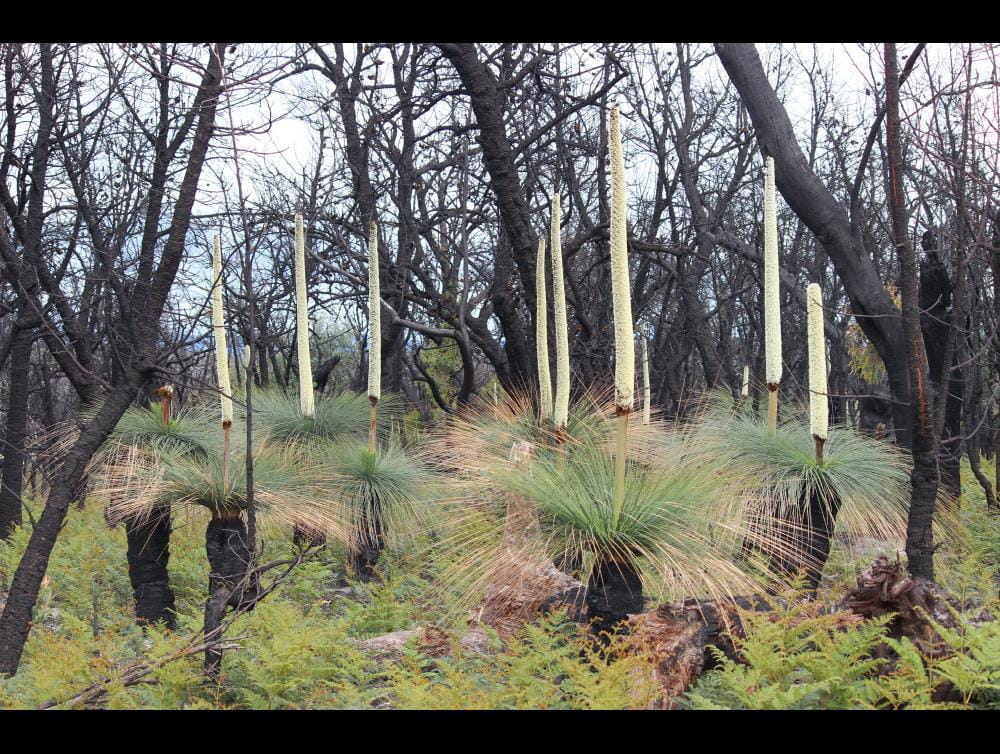
Photo: Grass trees in spike post fire
Parks Victoria, Gunaikurnai Rangers, and Deakin University work placement students, have been monitoring how the wildlife, vegetation, and landscapes of the park are recovering post-fire. The program also tracks emerging threats such as predation of native wildlife, pest animals and the effects of a changing climate.
The information collected through the program is helping guide conservation actions and support the long-term recovery of Holey Plains.
Eastern Pygmy Possums
For small mammal species known to occur within Holey Plains, such as White-footed Dunnarts and Long-nosed Bandicoots, fire can be especially devastating.
When dense heathland is stripped away, these animals lose the shelter that protects them from predators, leaving them exposed to foxes and feral cats.
Ecological Monitoring Officer Mary Thorpe said the monitoring program is helping researchers better understand wildlife recovery.
‘We conduct habitat assessments across the park to see how the vegetation is recovering after the fire, but also how that’s going to support the small mammal populations,’ she said.
One of the more encouraging signs of recovery has been the return of Eastern Pygmy Possums.
‘The good news is that several years after the fire, these guys were able to bounce back fairly well,’ said Mary.
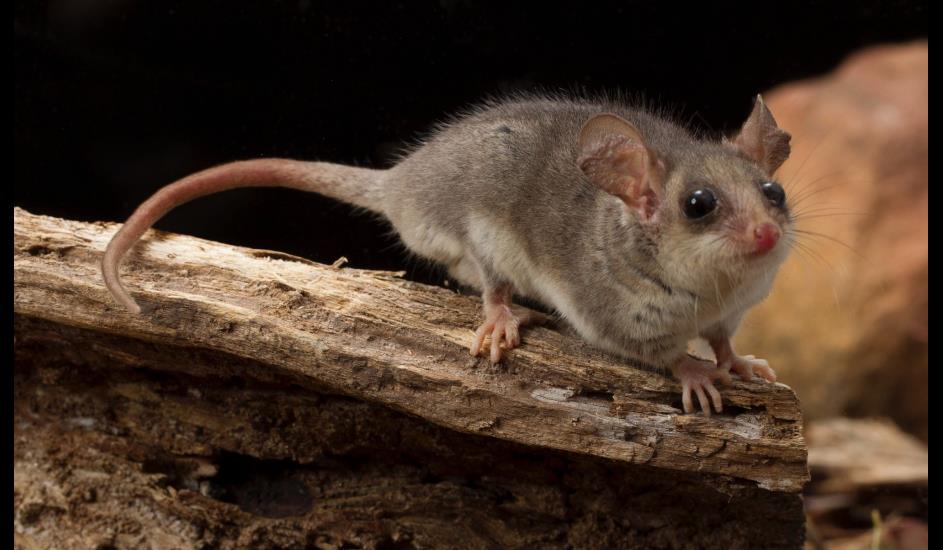
Photo: Eastern Pygmy Possum. Image credit: Museum Victoria/David Paul
This tiny species of possum is about the size of a common mouse. It relies on heathland vegetation for food, nesting and protection, and monitoring indicates populations have grown as the habitat has regenerated.
Their recovery suggests that, in some parts of Holey Plains, the vegetation is once again providing the resources wildlife needs to survive and thrive.
Wellington Mint-bush
While some species have bounced back, others, such as the Wellington Mint-bush, have required more active intervention to survive.
Wellington Mint-bush is listed under both the Environment Protection and Biodiversity Conservation Act (EPBC Act) and Victoria’s Flora and Fauna Guarantee Act (FFG Act). It is only found in a few small areas of Gippsland, and Holey Plains State Park is the only protected land on which it grows.
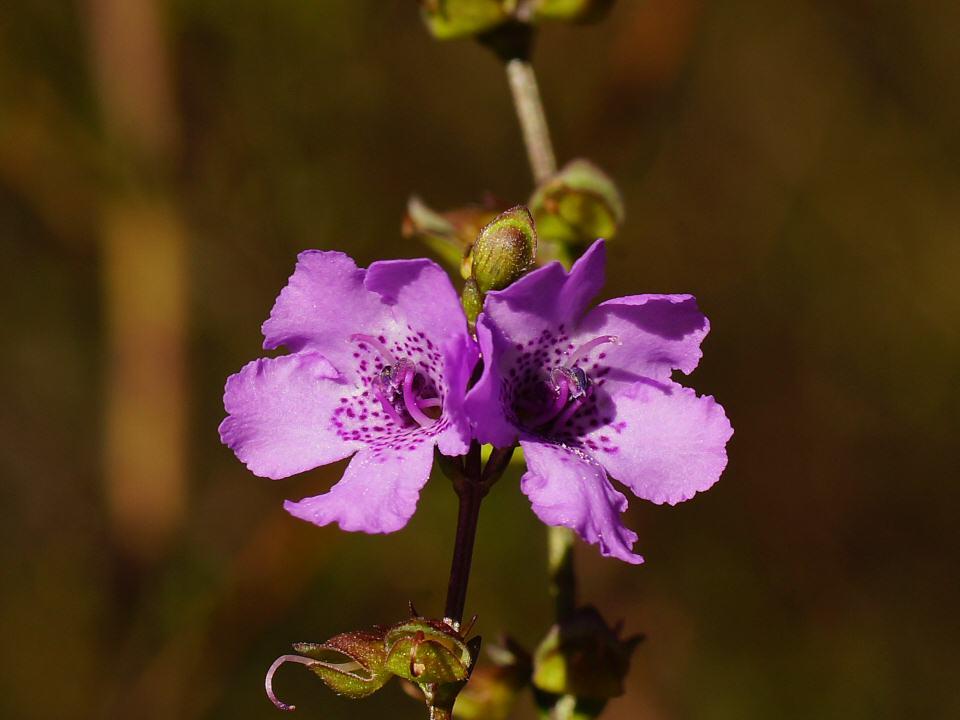
Photo: Wellington Mint-bush. Image credit: Reiner Richter
‘After the fire went through, we had all but one known population in the park that survived,’ Paula said.
‘We’ve had an overabundance of herbivores, so one of the main threats is browsing.’
Browsing is when herbivores, such as wallabies and wombats, feed on the leaves and young shoots of plants. This can prevent plants from flowering, producing seed and recovering after fire.
To protect the Wellington Mint-bush, rangers have been fencing off plant populations as soon as they are identified. This intervention has enabled the plant to slowly regenerate.
‘We’ve currently got nine fenced plots through the park which we actively manage to protect from browsing.’
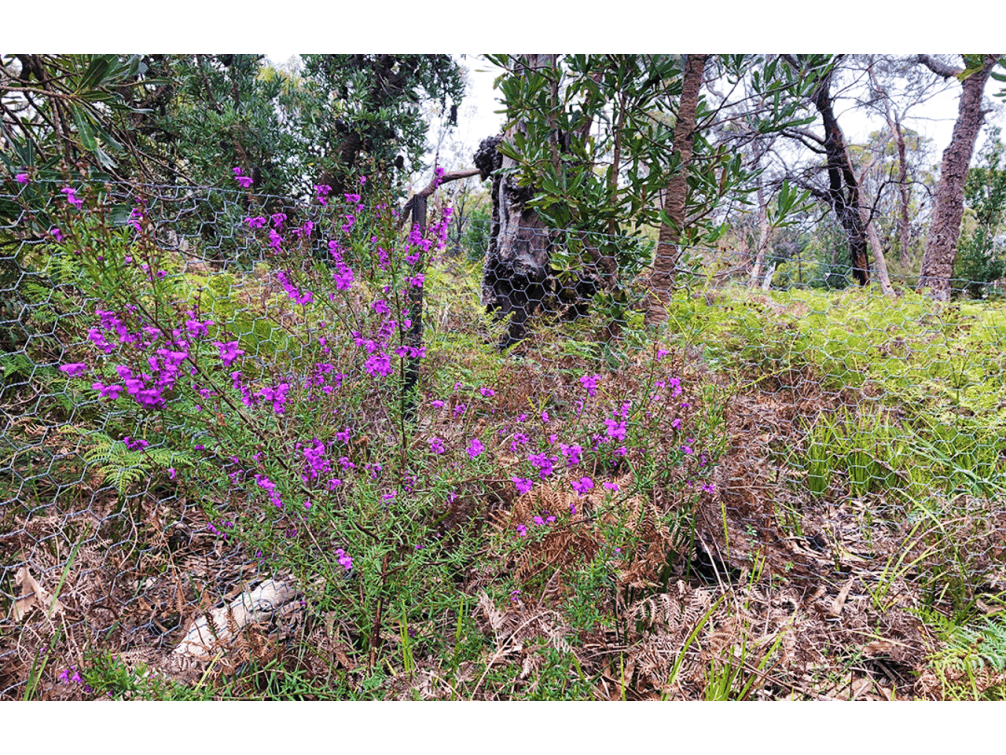
Photo: fenced off plot of Wellington Mint-bush within Holey Plains State Park
Endangered amphibians
Another focus of the survey work is the park’s wetlands, prime habitat for the endangered southern toadlet and critically endangered Martin’s toadlet.
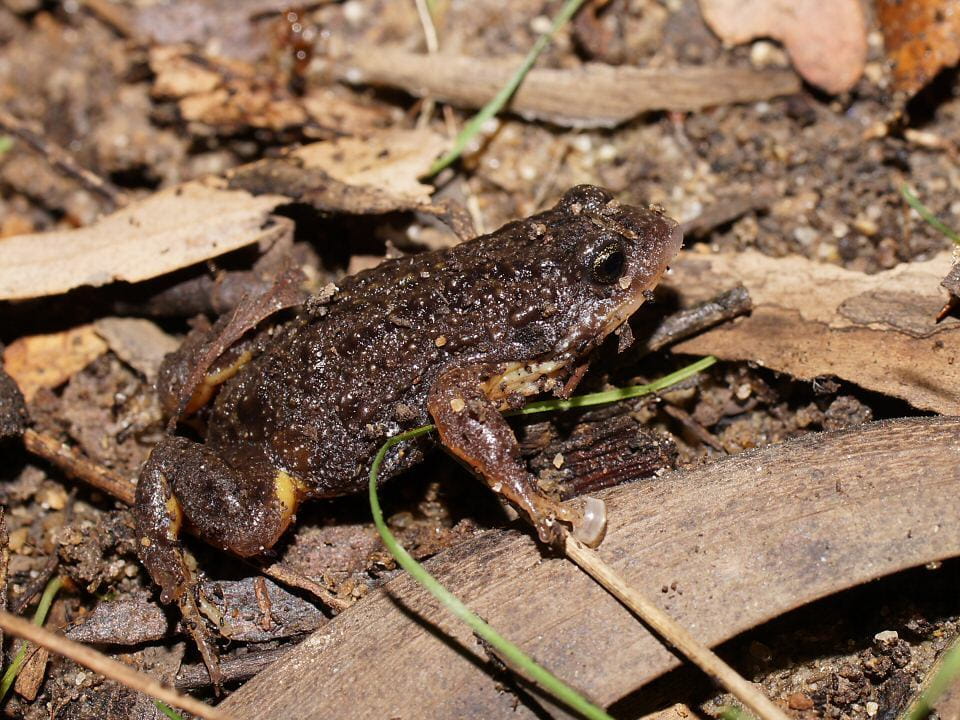
Photo: Southern Toadlet. Image credit: Reiner Richter
Researchers were concerned about how these species would cope after the fire, given the severe impacts to wetlands across the park.
Both species are highly dependent on the health of the park’s wetlands and surrounding habitats. While they can survive fire by sheltering in damp vegetation, beneath logs and underground, their long-term survival depends on the availability of suitable breeding habitat and reliable water.
Both toadlets rely on wetland edges, ephemeral pools and damp drainage lines to breed and develop. Monitoring helps to understand how changing wetland conditions, water availability and habitat quality are affecting both species.
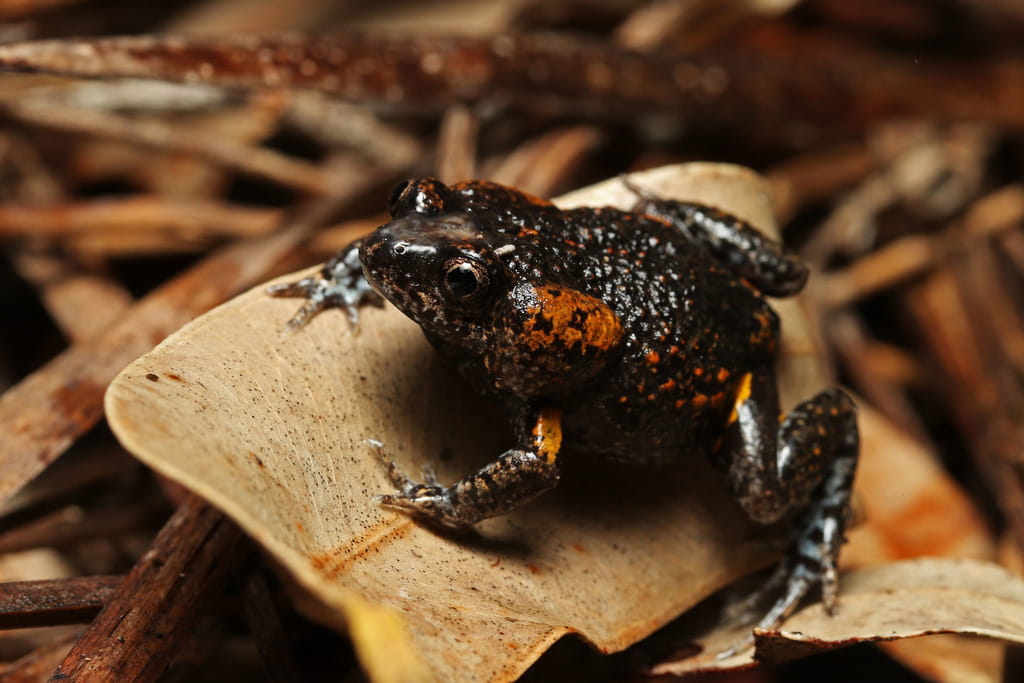
Photo: Martin’s Toadlet. Image credit: Owen Lishund
While this work has identified new populations of southern and Martin’s toadlets within Holey Plains, it’s also led to an alarming discovery about the park’s wetlands.
‘We have 26 ephemeral wetlands throughout the park, but at least eight that were on historical maps of Holey Plains are bone dry, they’re gone,’ Mary said.
Such dramatic transformations to the landscape raise concerns about the future of breeding habitat for threatened frog species and the broader impacts of climate change on the park’s ecosystems.
Pest management
Not every species captured by the monitoring program has been cause for celebration. Surveying has also confirmed the presence of feral animals in the park.
Pest species prey on native wildlife in the park and degrade native vegetation and grasslands through grazing and trampling.
Parks Victoria is actively managing pest animals, such as foxes, through ongoing monitoring, control programs and partnerships with neighbouring landholders.
Looking ahead
Seven years on, Holey Plains continues to recover. While wildlife is returning and habitats are regenerating, ongoing monitoring is helping us understand how the landscape and the species it supports are changing.