Around one in 30 people meet the criteria for a sustance use disorder, yet addiction medicine remains one of the least visible specialities with only around 300 doctors currently specialising in addiction medicine.
A research team led by Flinders University says the solution could lie in boosting awareness, training pathways and early exposure to rapidly grow the addiction medicine workforce
About one in 30 Australians (3.3%) are living with a substance use disorder, but there are only 245 addiction medicine specialists and 68 trainees nationwide.
With an average workforce age of around 62, many are nearing retirement, which raises urgent concerns about the future of this workforce.
The study, published in BMC Medical Education, finds the shortage is not due to lack of interest, but lack of awareness. Many doctors only discover addiction medicine by chance, limiting recruitment into a field where demand continues to grow.
Researchers interviewed 22 addiction medicine Fellows and trainees across Australia and New Zealand to understand what draws clinicians to the field – and what holds others back. While doctors describe the work as deeply meaningful, barriers such as long training pathways and significant pay cuts during training are limiting growth.
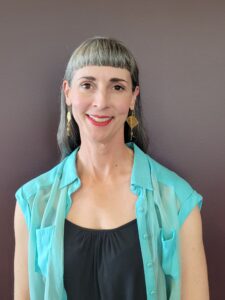
Senior author Dr Kirrilly Thompson, from Flinders’ National Centre for Education and Training on Addiction (NCETA), says the gap between need and workforce capacity is widening.
“Addiction medicine was described to us as probably one of medicine’s best kept secrets – a highly rewarding field that too many doctors don’t even realise is a career option,” says Dr Thompson.
“We can’t afford to rely on chance exposure to this specialisation any longer and if we can introduce addiction medicine earlier in medical training and provide clearer pathways into the specialty, we can grow the workforce quickly,” says Dr Thompson.
Lead author Yusra Tawfic, who joined the research team as part of her MD program, was surprised to learn that many clinicians discovered addiction medicine accidentally, often through placements or conversations with colleagues. This suggests that earlier exposure could significantly boost interest.
“You can’t choose a career if you don’t know it exists. Giving medical students and junior doctors hands-on experience in addiction medicine could make a real difference,” says Ms Tawfic.
Addiction medicine specialist and co-author Professor Adrian Dunlop, (Conjoint Professor, School of Medicine and Public Health, The University of Newcastle) says, ‘Trainees often remark on how much they enjoy developing skills in addiction medicine, in community and hospital settings – but we need more specialists across the country to ensure people can access that care when and where they need it.’
The research highlights simple steps to address the shortage, including an expansion of clinical placements, promoting clear career pathways and reducing financial barriers during training.
“This is a field where doctors see real, lasting change in their patients’ lives,” says Dr Thompson.
“By building awareness and supporting trainees, we can ensure people experiencing addiction get the care they need – now and into the future.”
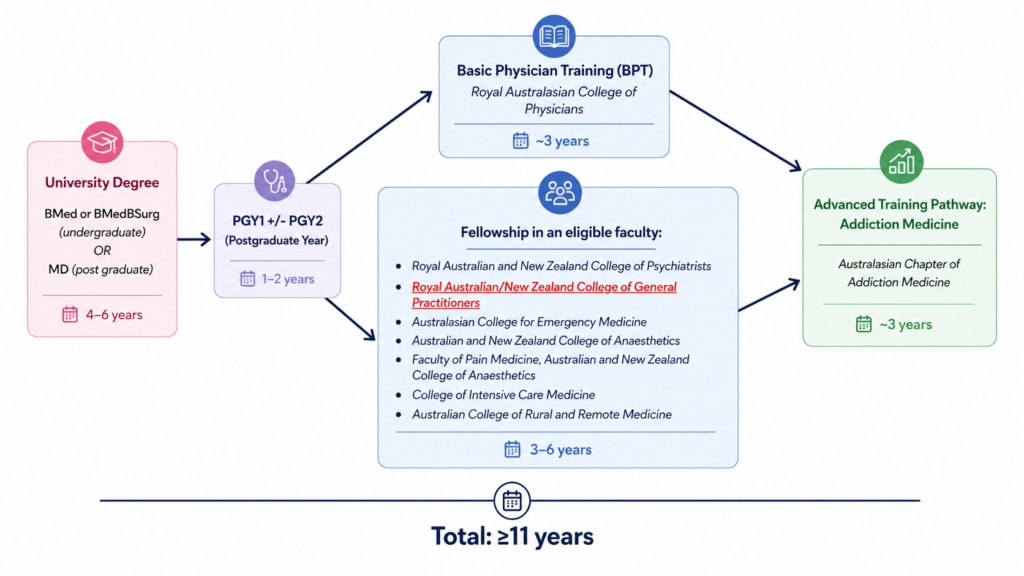
The paper, ‘Probably one of medicine’s best kept secrets”: Preliminary qualitative insights into motivations and concerns regarding addiction medicine specialisation in Australasia’, by Yusra Tawfic, Ashlea Bartram, Jacqueline Bowden, Adrian Dunlop and Kirrilly Thompson, was published in BMC Medical Education. DOI: 10.1186/s12909-026-09480-5 (an unedited version of this manuscript to give early access to its findings.)
For support or advice contact the National Alcohol and Other Drug Hotline: 1800 250 015
Acknowledgements: Kirrilly Thompson and Jacqueline Bowden received funding from the Australian Government Department of Health, Disability and Ageing. Yusra Tawfic was supported by Medical Program Advanced Studies funds, Flinders Medical Program, College of Medicine and Public Health. Publication costs were also supported by Kick Start Funding from the Flinders Health and Medical Research Institute Health Equity Impact Program.