Police officers from across the Pacific region and Timor-Leste have joined the ranks of mission-ready UN Police Peacekeepers after graduating from a tailor-made residential training program delivered at the AFP’s Pinkenba Hub in Brisbane.
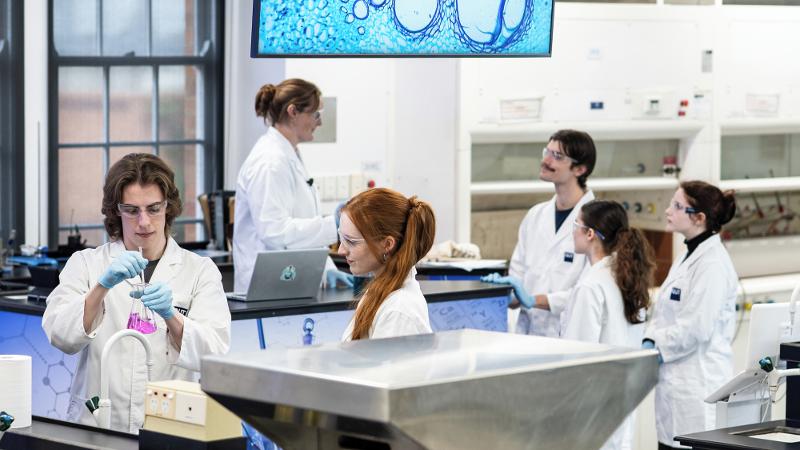
The officers were part of a 54-strong class – including four AFP members – who spent five weeks training in subject areas including the principles of UN peacekeeping, police command in a UN context, child protection, sexual exploitation and abuse, and intelligence-led policing and reporting.
Their pass rate of 83 per cent builds on the 73 per cent recorded by last year’s inaugural class, from which some graduates have already deployed to South Sudan.
AFP Acting Commander Pacific Elias Petropoulos congratulated the graduates on their commitment to serving both their respective countries and the broader international community.
“The ongoing success of this initiative is testament to the shared vision and commitment of participating nations, partner agencies and training providers, whose collective efforts continue to strengthen readiness, foster collaboration and advance the vital work of the United Nations in promoting international peace and security,” a/Commander Petropoulos said.
“We are particularly proud women comprised 40 per cent of participants, reflecting the growing leadership and vital contribution of women to policing and peace operations across our region.
“We look forward to seeing these latest graduates represent the Pacific region with distinction in future United Nations peace operations.”
United Nations Police Adviser Faisal Shahkar said the participation of police officers from across the Pacific and Timor-Leste reflected the region’s strong commitment to international peace and security.
“We deeply appreciate the Australian Federal Police’s partnership in preparing officers with the skills, professionalism and values needed to protect communities, strengthen public institutions and build trust when serving in United Nations peace operations,” Mr Shahkar said.
Their words echo those of UN Under-Secretary General for Peace Operations Jean-Pierre Lacroix who, in opening the course alongside AFP Commissioner Krissy Barrett, said: “United Nations policing has become an indispensable component of our efforts to prevent conflict, protect civilians, strengthen national institutions and sustained peace.
“Whether mentoring host-state police services, supporting security sector reform, assisting criminal investigations or protecting vulnerable communities, United Nations police make tangible differences in the lives of millions of people around the world every day.”
The tailor-made UN Police Peacekeeping training course was developed by the AFP last year at the express request of Pacific police chiefs, who had been vocal in their ambition for a Pacific-led UN peacekeeping capability.
The curriculum further answered a challenge from the UN to create a new and streamlined model of training amid ongoing conversations about the sustainability of UN Police Peacekeeping.
Participants in this year’s course enrolled from police forces in Tonga, Solomon Islands, Papua New Guinea, Fiji, Samoa, Naoero, Timor-Leste, Vanuatu, Tuvalu and Kiribati, as well as the AFP. The training cohort was drawn from across the world, including Fiji, Ghana, Italy and Australia.
This future focus comes in a year which has seen the AFP continue to amplify its support for, work with, and advocacy of, Pacific policing partners on the world stage.
This includes:
The United Nations Chiefs of Police Summit (UNCOPS) in New York, where Commissioner Barrett delivered a historic address to Member Nations;
Start of the fourth residential training program at the Pinkenba Hub for the Pacific Police Support Group (PPSG), a multinational deployment group designed to support major events and crisis response in the Pacific region; and
Deployment of the PPSG to Palau in support of the 55th Pacific Islands Forum Leaders Meeting in late August and early September.