CFA’s community research following the devastating 2024 Pomonal bushfires has been instrumental in enhancing the future delivery of community engagement and public information by emergency services.
The Pomonal community and the wider Grampians region were impacted by two significant fires 10 months apart from each other during 2024. The first fire hit fast on 13 February resulting in significant impacts, destroying more than 40 homes, while a second fire event that started 16 December lasted several weeks burning more than 76,000 hectares of national park.
The purpose of doing research like this is to understand the impact of repetitive fire events on communities and how information is shared between community members and emergency management organisations at local, regional and state levels.
The two studies helped understand how information is used by community to inform their decision-making before, during and after bushfire events.
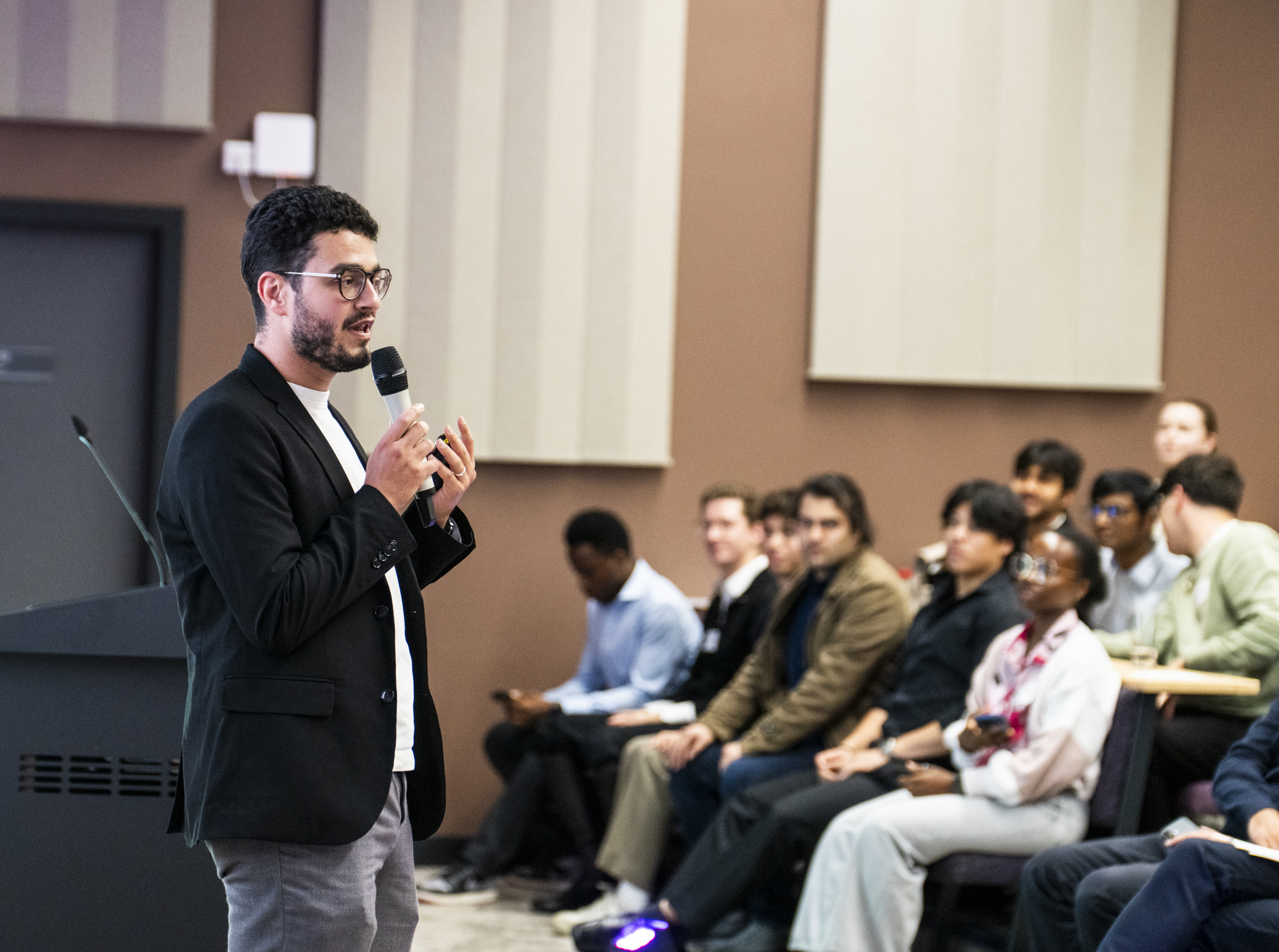
CFA Senior Research Scientist Dr Chloe Begg said the research outcomes have identified key areas for improvement related to community preparedness and response, as well as accuracy, timing and effectiveness of public information and warnings from emergency services.
“As agencies, we value hearing from community and learning from their experience,” Chloe said.
“The research highlights the importance of building and maintaining community connection to ensure information is transmitted seamlessly and accurately.
“It found existing relationships between community, and emergency services, allowed information to be trusted and acted upon with confidence.
“We also saw the strength of official representatives such as incident controllers and how local CFA members help to translate information to community to increase their level of comfort in decision making.”
The research has identified that there are different understandings of what it means to leave early, whether that is before fire is in the landscape, or once threatened. CFA’s advice is that leaving early before a fire starts is the safest option to protect yourself and your family.
“In relation to warnings, the research found that residents are using them to understand if their plan is safe. They want to know what direction the fire is travelling in, how long until it reaches them, and what the safest route out is,” Chloe said.
“It is our job to work out what we can communicate based on the information that we have at any given time as well as assist people to interpret and understand the potential limitations of warnings.”
This type of research enables emergency personnel to build on the experiences of previous events to ensure information is meeting community needs and expectations.
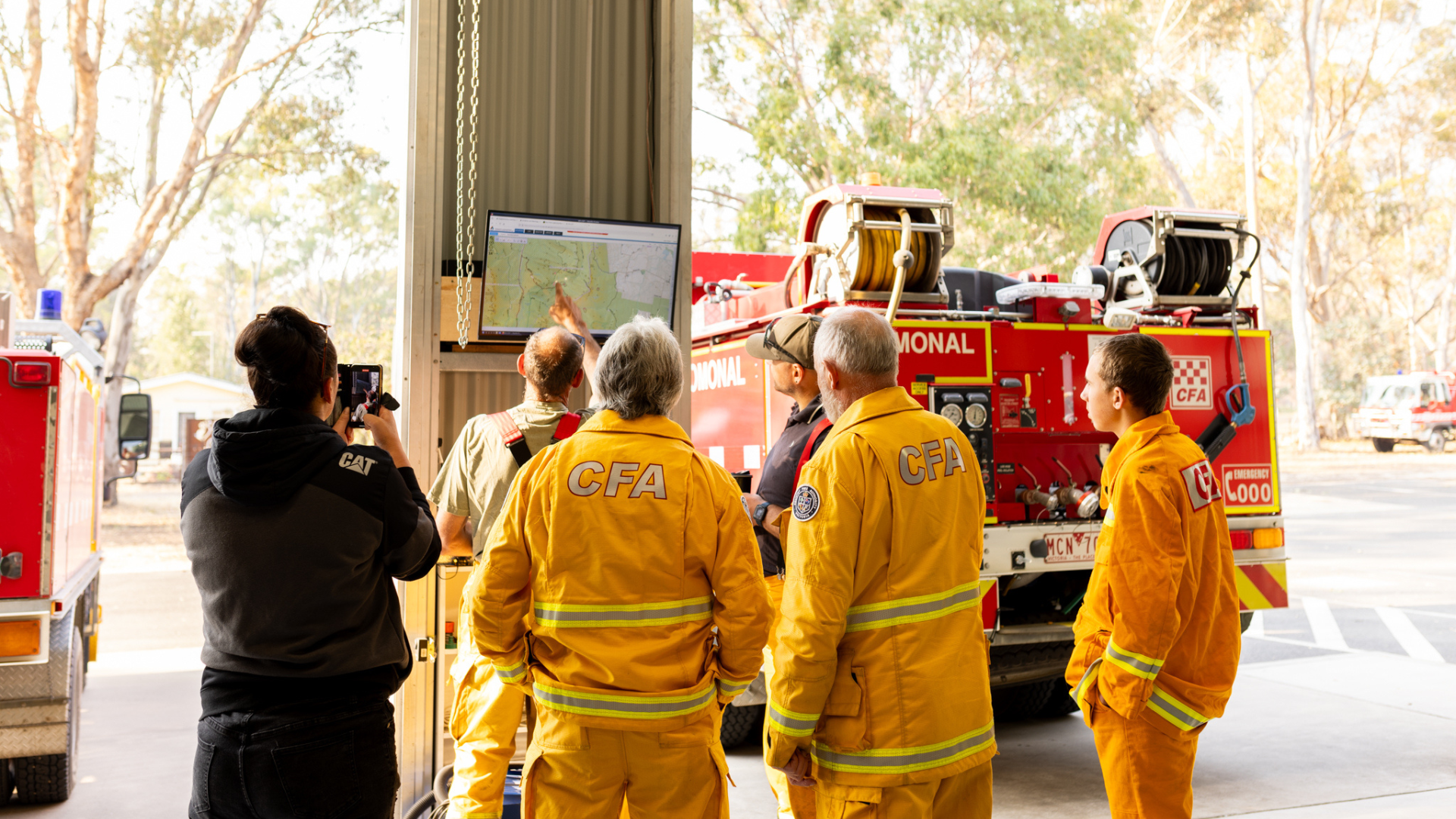
“Locally, regional community engagement personnel have been carrying out workshops with both CFA members and community to assist with learning how to interpret warnings,” Chloe said.
“Applying the lessons from the research ensures we’re building on the information made available but also the knowledge of those that are receiving warnings often at times of great stress and anxiety.”
The key findings from both fire experiences can be found on CFA’s website. The research has been managed by CFA working groups in collaboration with Natural Hazards Research Australia.