RMIT has partnered with RACV to trial an innovative technology that could transform how roads are monitored for potholes and other infrastructure damage.
As part of the ‘Pothole Patrol’ pilot project, the RMIT team equipped one of RACV’s Emergency Roadside Assistance patrol vans based on the Mornington Peninsula with a ‘RoughSense’, a sensor system capable of identifying potholes and early signs of road deterioration, including cracking, rutting and emerging potholes in near real time.
The sensor combines AI, GPS tracking, video capture and vehicle movement data to identify and monitor road defects as the patrol travels its normal routes. Operating six days a week, the patrol vehicle services the Mornington Peninsula between Balnarring and Dromana.
Over a two-month period between 21 August and 21 October 2026, the system recorded more than 300 defects across a thousand kilometres of Victorian roads. Defects were most commonly recorded along the Frankston-Flinders Road corridor through Tyabb, Hastings, Bittern and Balnarring, providing researchers with valuable insights into road conditions and how they change over time.
RMIT engineer and project lead Dr Amirali Khodadadian Gostar said the ‘RoughSense’ system combines sensors, satellite tracking, manual driver validation and AI to process data in near real time.
“The RACV van was a critical mechanism to test the effectiveness of our defect detecting device,” Gostar said.
RMIT co-investigator on the project Associate Professor Hormoz Marzbani said the technology can pre-empt problems by identifying subtle changes in road surfaces before serious defects develop.
“Repeat passes over the same stretch of road identified worsening potholes, demonstrating the value of continuous monitoring,” Marzbani said.
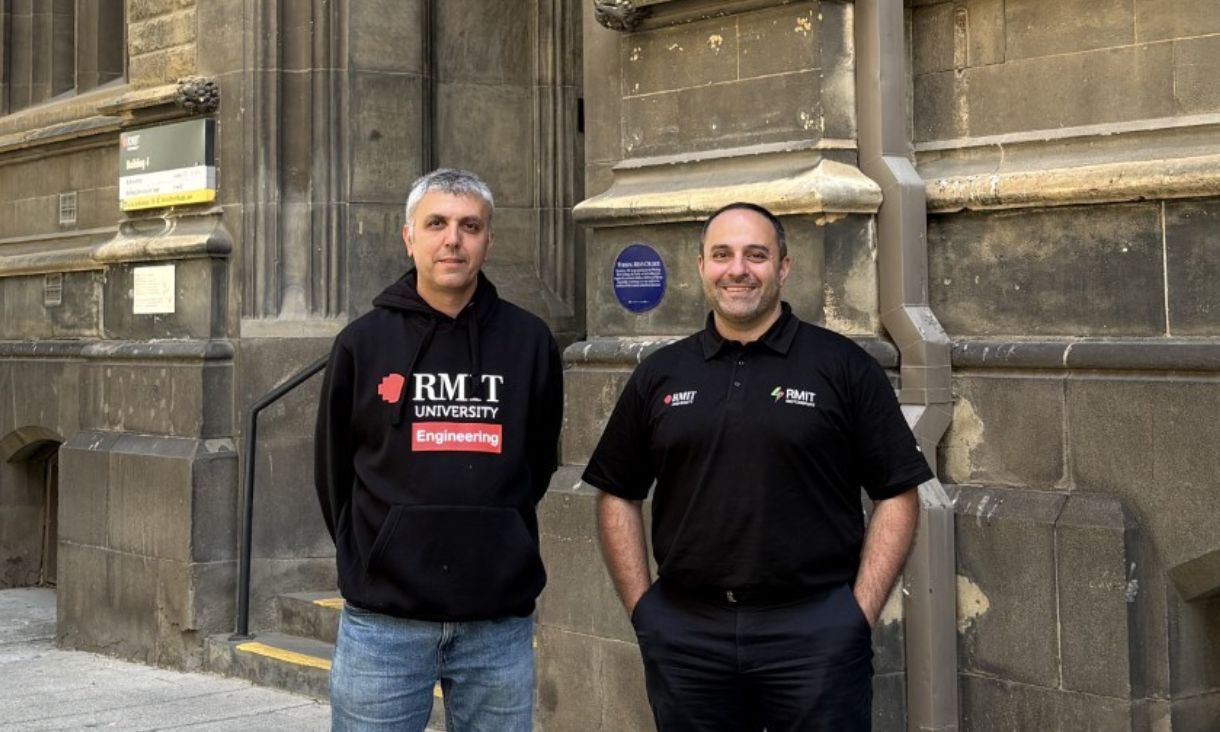 RMIT researchers Dr Amirali Khodadadian Gostar and Associate Professor Hormoz Marzbani.
The ‘RoughSense’ road-monitoring system is being developed and evaluated in collaboration with industry partners, with RMIT leading the research program, system integration, and development of advanced sensor-data fusion and AI-based road defect detection, and industry collaborators, including MetaSpatial, contributing expertise in sensing hardware, system implementation, field testing and data visualisation.
“RoughSense demonstrates the value of bringing industry expertise and university research together to address real-world road safety challenges,” said Dr Adam Chabok Director of MetaSpatial.
The project aims to help road managers move from reactive repairs to predictive and preventative maintenance, improving safety and reducing road maintenance costs.
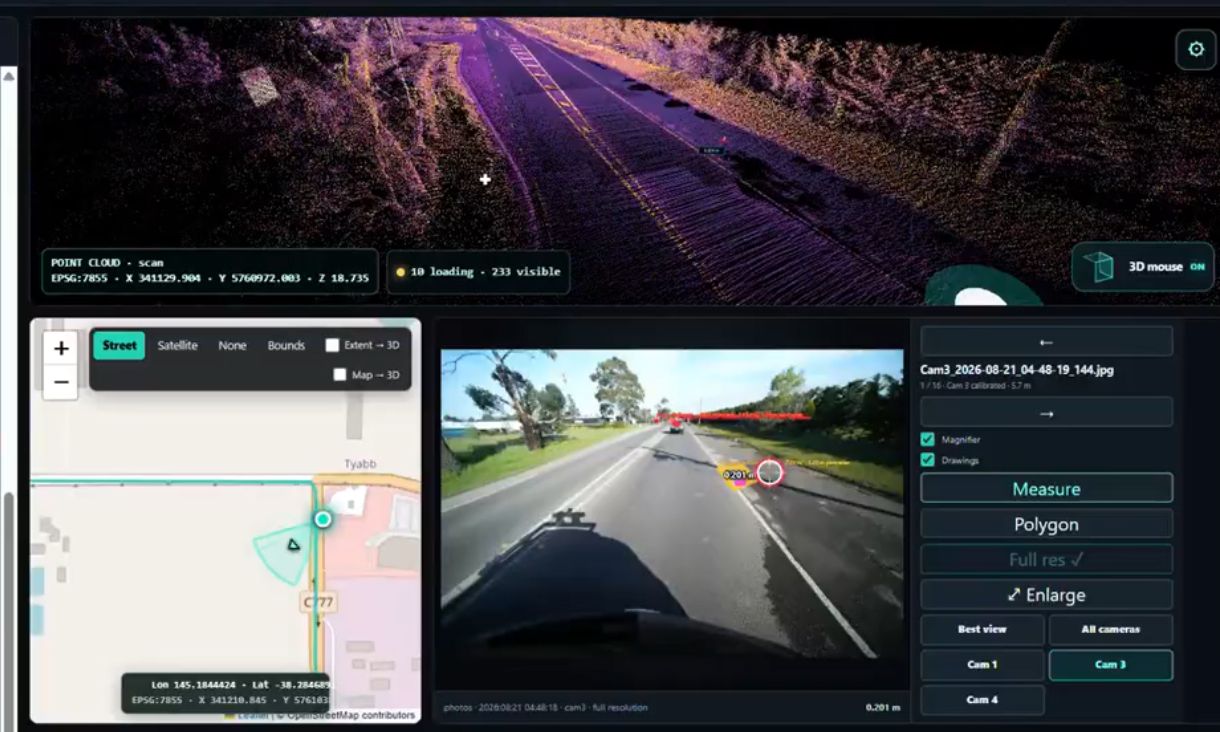 The sensor combines AI, GPS tracking, video capture and vehicle movement data to identify and monitor road defects.
The project aims to help road managers move from reactive repairs to predictive and preventative maintenance, improving safety and reducing road maintenance costs.
RACV Head of Public Policy James Williams said the trial demonstrated how innovation could help tackle issues consistently raised through RACV’s 2026 My Country Road survey.
“RACV was pleased to partner with RMIT to help facilitate this innovative project,” Williams said.
“Through RACV’s My Country Road survey, we’ve heard from thousands of Victorians who are concerned about potholes, deteriorating road surfaces and the condition of the roads they rely on every day.
“This trial demonstrates how technology can provide valuable insights into road conditions, helping support more targeted maintenance planning and investment decisions.
“As governments continue looking for ways to improve road maintenance outcomes, solutions like this deserve serious consideration,” Williams said.
Mornington-based RACV Emergency Roadside Assistance patrol driver Mark Orlando operates the trial vehicle, manually flagging road defects to help validate the technology’s detections.
“As someone who spends every day on Victorian roads, you can often see sections of road deteriorating long before they’re repaired,” Orlando said.
“Some defects can be difficult for motorists to spot, especially during wet weather, at night or on unfamiliar roads.
“Anything that helps identify hazardous road conditions sooner can improve safety and reduce vehicle damage.”
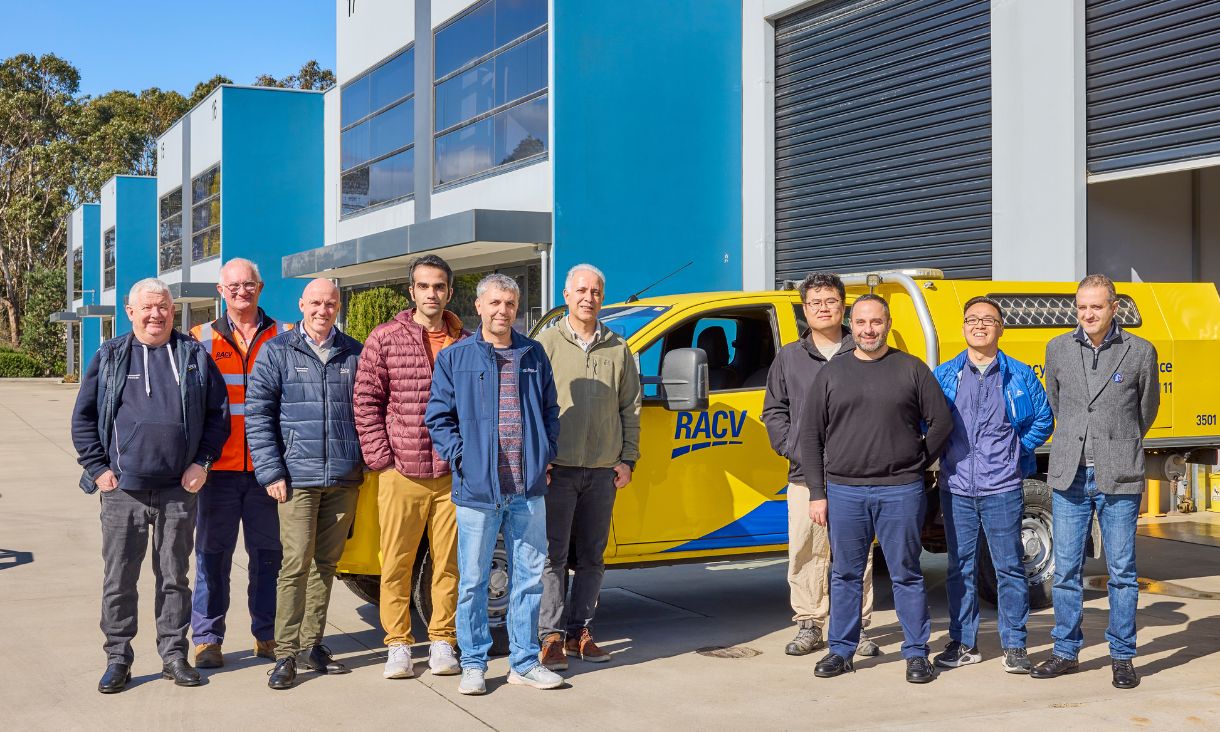 RMIT and RACV partner to trial the ‘Pothole Patrol’.
RACV ‘s role in the project was to facilitate and support the trial, funded by the National Road Action Grant.
The trial will continue until January 2027, with researchers using the findings to further improve the technology’s accuracy, reliability and ability to monitor changes in road conditions over time.
The next phase will see RMIT researchers explore opportunities to deploy the system across larger vehicle fleets, enabling more extensive and continuous road-condition monitoring to support safer roads and more proactive maintenance planning across Australia.