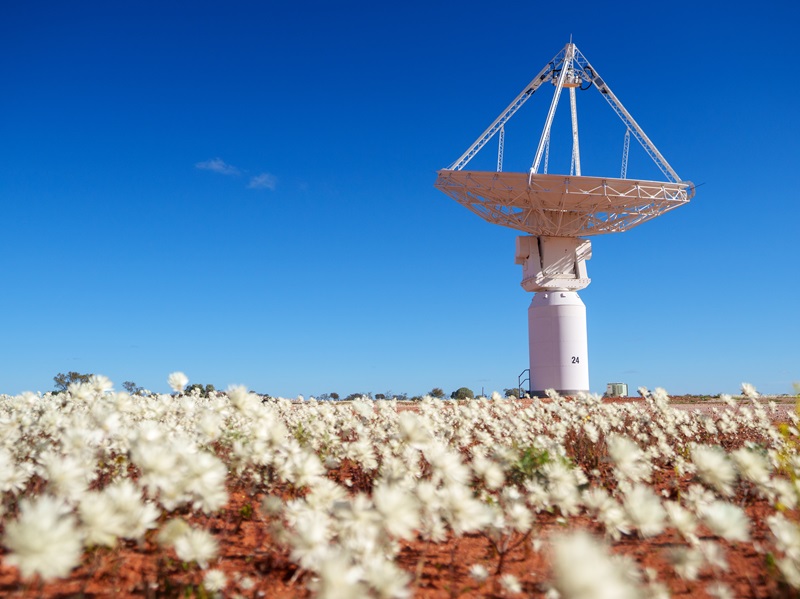
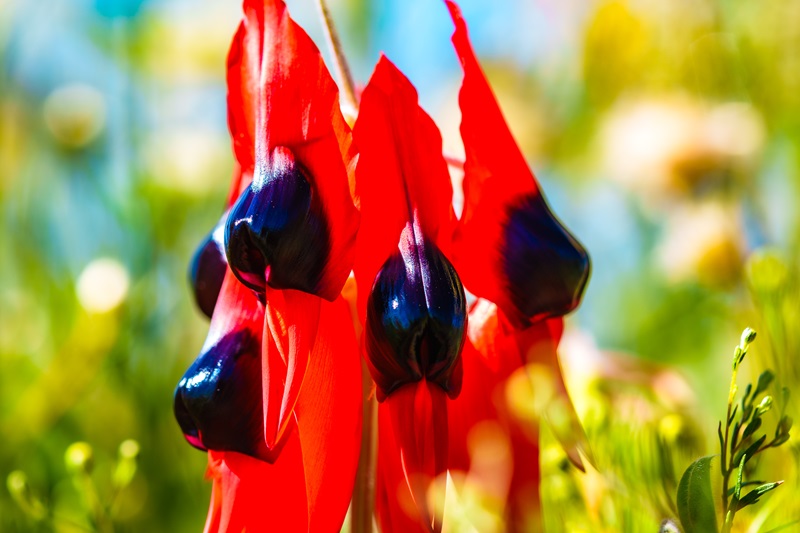
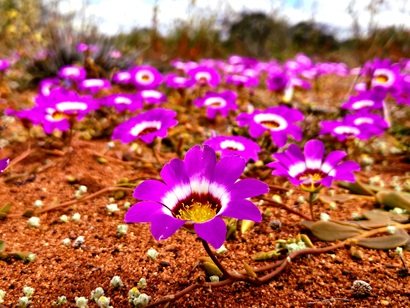
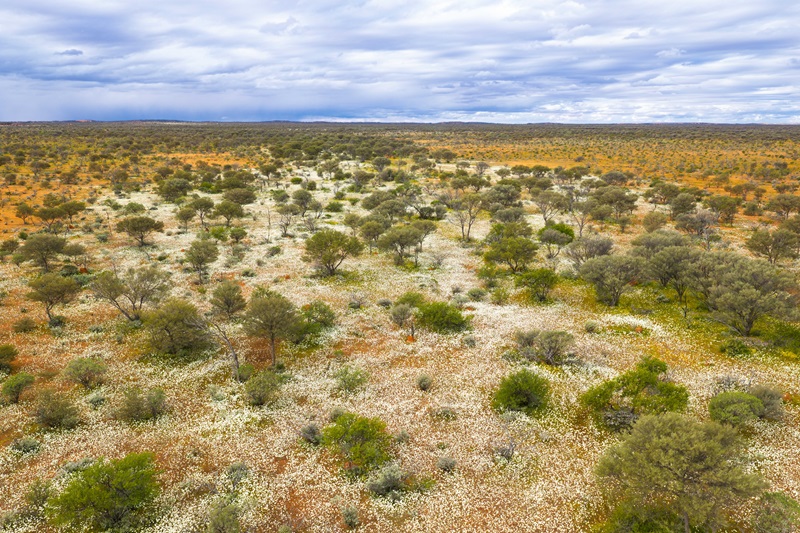
It looks like outback snow. A swathe of white bordered by the deep ochre of outback Australia. But look closer and the colours are limitless as Western Australia’s wildflower season is presented in all its floral beauty in the Murchison, about 800 kilometres north-east of Perth.
This year’s season is the best in recent memory with early winter rains resulting in a spectacular display.
At the heart of Wajarri Yamaji Country in the Murchison sits Inyarrimanha Ilgari Bundara, the CSIRO Murchison Radio-astronomy Observatory in WA’s Mid West wildflower region.
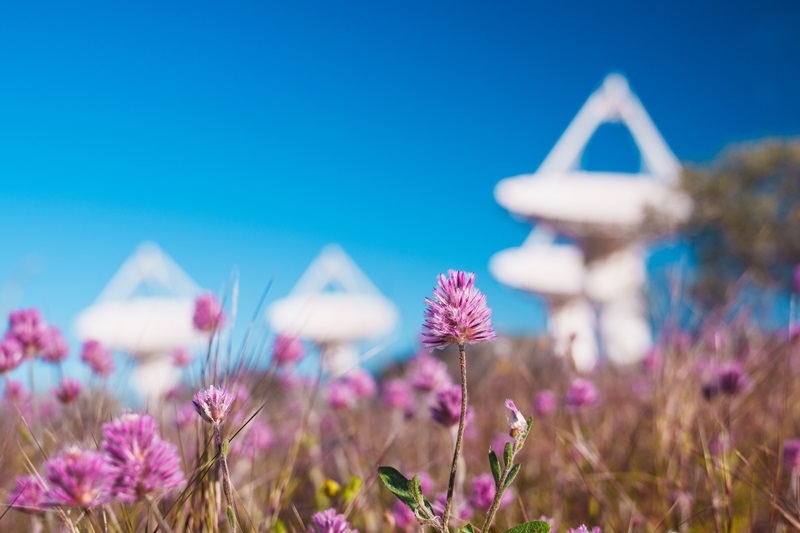
The former pastoral site is managed by CSIRO and land management practices have seen at least one rare species removed from Western Australia’s priority one list and placed on priority three.
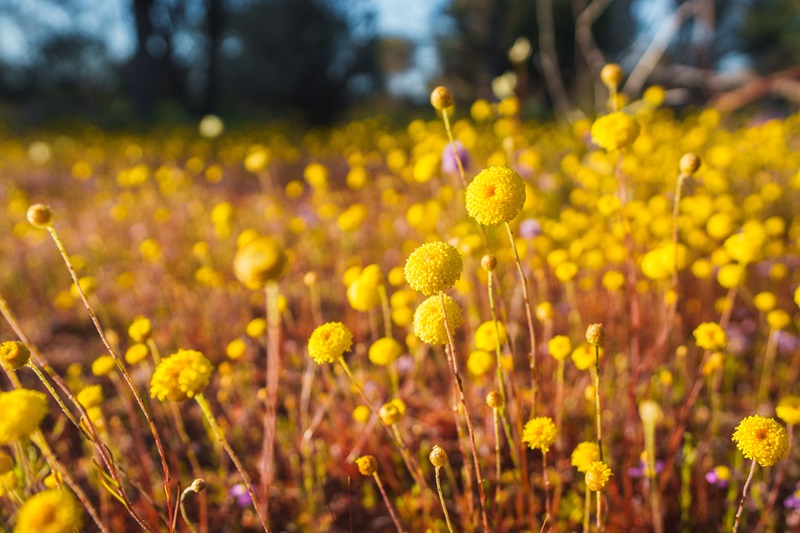
A long-time Murchison local, Andrew Whitmarsh is CSIRO’s Land Manager for the observatory site. He said the soil’s ‘seed bank’ has come alive, with the early-season rains allowing many seeds that were dormant for years to germinate, producing the best season for more than a decade.
“Different species like different conditions, but this year has been a free-for-all with so many varieties blooming at the same time,” he said.
“I don’t think I’ve seen a display this good since 2008.”
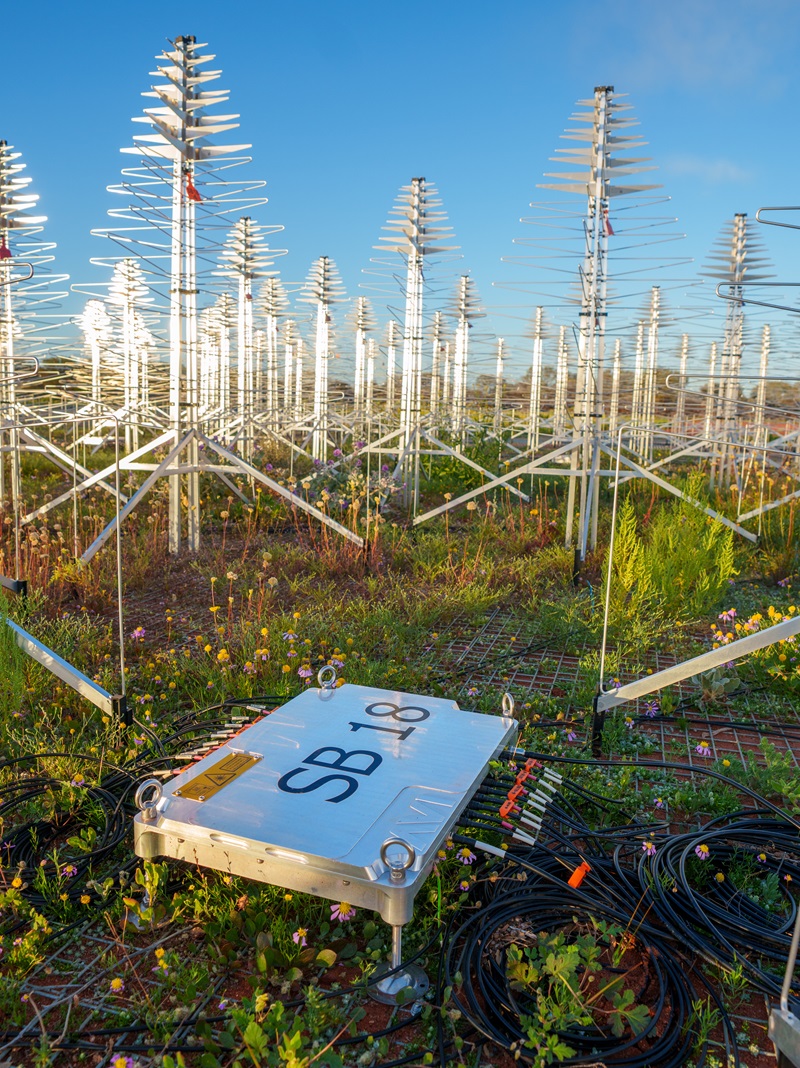
Much of the Murchison has been awash with flowers over August, including the unique sight of blooms right up against the radio telescopes that call the observatory home, including CSIRO’s ASKAP radio telescope and the Square Kilometre Array Observatory’s SKA-Low telescope under construction .
As the people on the ground, CSIRO’s observatory land management team work closely with WA biodiversity experts to monitor and document the species present at the observatory. The radio astronomy infrastructure covers a footprint of around only 0.2% of the observatory site.
“We take samples and help monitor populations, gathering information to support biodiversity work in Western Australia,” Andrew said.
“We’ve helped trace new populations of protected wildflowers, resulting in one already being reduced from a priority 1 to a priority 3 protected species last year.”
Over the last decade the observatory has necessitated a change in land use for the site, from pastoral lease to radio astronomy only , including adapting water management and land care activities through the changes.
As the wildflower season comes close to an end across the Mid West, CSIRO’s team has their eyes on the future.
“We plan to increase our water flow management activity across the site, minimising the movement of water where it wouldn’t naturally go through reducing road-side windrows and constructing pond banks,” Andrew said.
While he doesn’t expect to see another wildflower season like this one again next year, Andrew anticipates growing displays as the land changes with its new use .
“We’re seeing extra plant variety and growth in the areas where the soil has been disturbed near the telescopes, as well as slow-growing tree species like Mulgas growing and surviving in new spaces across the site.”
CSIRO manages the observatory site with support from the Australian and Western Australian governments. We acknowledge the Wajarri Yamaji People as Traditional Owners and Native Title Holders of Inyarrimanha Ilgari Bundara, the CSIRO Murchison Radio-astronomy Observatory.