For First Nations parents and communities managing the emotional, spiritual and psychological impacts of still-birth, it is hoped that new research will lead to improved healthcare and the provision of culturally-appropriate support.
We warn readers that the content of this study is confronting and possibly distressing.
Sorry Business Bubba – a term used to describe stillbirth by Indigenous communities – has profound economic and psychosocial impacts on parents, families and communities. Worldwide, stillbirths represent as many as 14 births in every 1000.
Despite Australian First Nations women experiencing higher rates of Sorry Business Bubbas than the general population, the lived-experiences and perspectives of these women and their family and community support network remain under-reported.
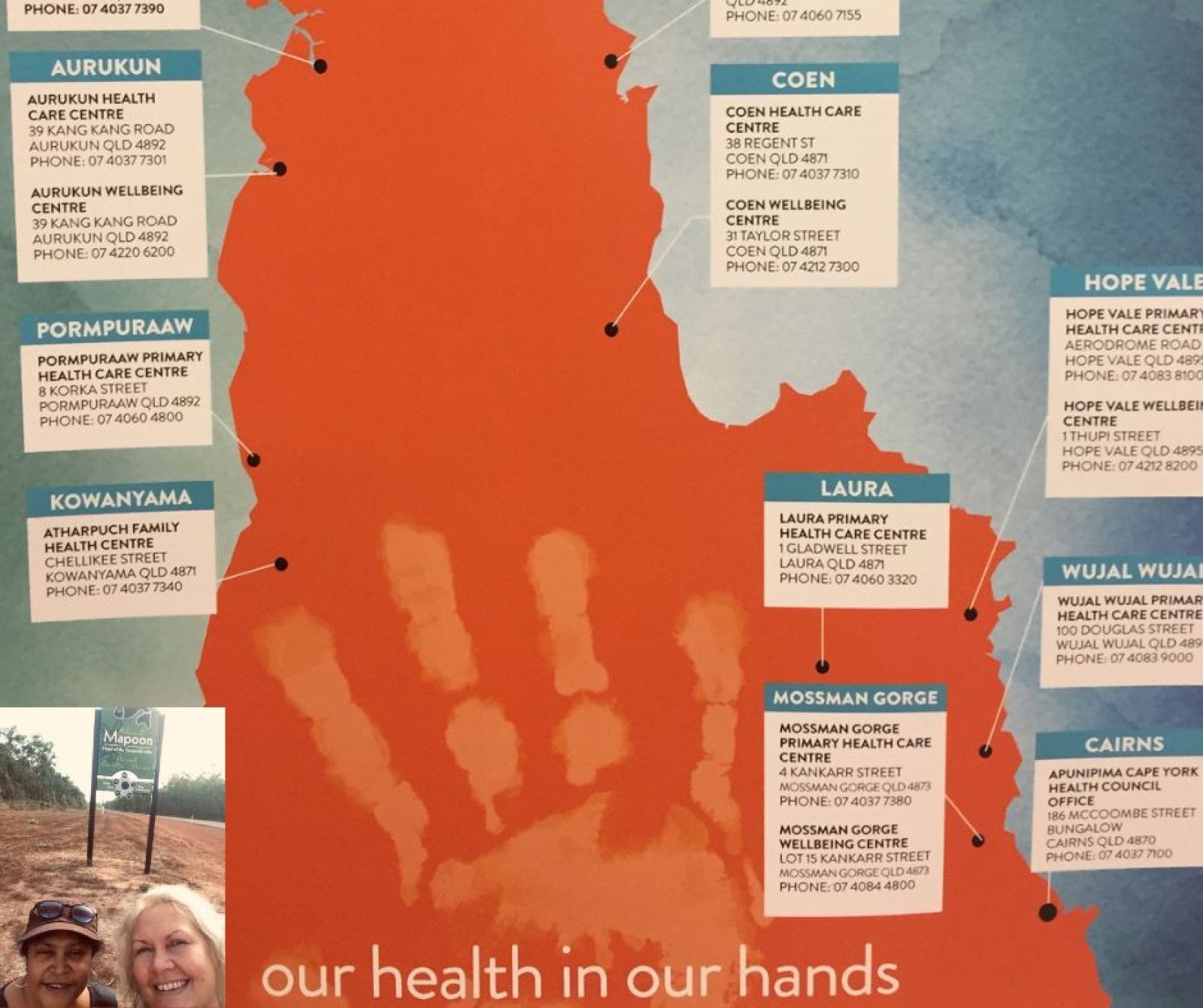
The research published in the journal Women and Birth, was led by Ms Diana Jans, who is a Tjungundji Taepathiggi woman from the northwest Cape York community of Mapoon, and at the time of the research was a staff member of the Apunipima Cape York Health Council.
Five interlinked themes emerged from the research: the historical context around the provision of healthcare across Cape York; the importance of family, ritual and ceremony; learning appropriate language to describe the loss of a bubba, understanding the grieving journey; and how and when to provide support to families.
The research found that past government policies characterized by control and restriction, as well as personal experiences of racism and stereotyping had led to a historical mistrust of the health system – presenting a barrier to impacted families seeking care and support.
This research was undertaken by researchers from The Centre of Research Excellence in Stillbirth (Stillbirth CRE), based at Mater Research and The University of Queensland, and the Apunipima Cape York Health Council, in partnership with James Cook University.
Ms Jans’ research team interviewed Cape York community Elders, mid-wives and other predominately Indigenous health professionals who had previous experience supporting families managing Sorry Business Bubba grief, or who had Sorry Business Bubbas in their own families.
Interviews were conducted by First Nations health professionals using a Yarning Methodology – which is a culturally safe model of engagement focussed on individual agency and storytelling.
One of the study’s female Aboriginal interviewees noted the importance of commemorating the life and passing of a Sorry Business Bubba with family and community.
“Everyone came together as one, and the day of the funeral it was so emotional that family members were still suffering from the grief and loss,” she said.
“The community takes death very seriously … It’s a time to be particularly respectful,” said a non-indigenous female nurse involved in the study.
The research recommended that health professionals entering the community consult with local First Nations colleagues on the appropriate ways to describe grief and loss, and recognise that social cultural and emotional well-being are vital.
When it comes to the journey of grief, one of the aboriginal interviewees observed that it took a long time, and that there were pressures on grieving parents throughout that journey.
“You could still see in her face the sadness. Even though she’d try to smile and stuff. There’s just something – it’s just nothing like it. A pain like no other,” she said.
Study participants wanted health providers to provide gentle guidance, but acknowledged that support needed to vary at different times and for different people.
“But I did notice that the father didn’t have any support … all the men just sat over there … they didn’t talk about it, so I think they’re still carrying it,” said a female Aboriginal Health Worker and interviewee.
Researchers advocated for a coordinated and appropriate network of support services and wider acknowledgement of community loss, to reduce feelings of isolation.
Ms Jans observed that the findings highlighted the importance of Aboriginal and Torres Strait Islander health workers are best placed between First Nations people and the healthcare system.
“Given the strength of their connection to the community and to one another, Aboriginal Health Workers are important supporters of grieving families,” she said.