At a time when conflict, displacement and cultural division continue to shape communities around the world, a creative initiative is connecting young people through the power of storytelling.
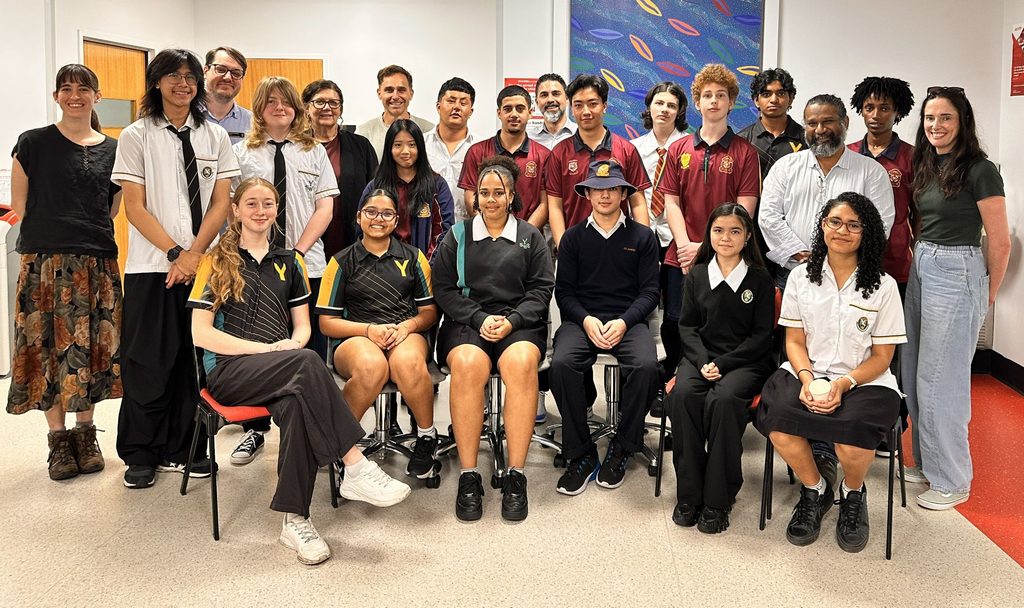
Story Festival 2026 brought together secondary school students from a rich diversity of cultural backgrounds to work alongside Griffith University filmmakers, musicians, photographers and researchers, in creating original short films, photographic works and songs that explore their identities, personal experiences and the issues that matter to them.
Professor Peter Hegedus, filmmaker, Griffith Film School academic and Story Festival Project Director, said the initiative was particularly important in Australia’s multicultural society.
“With so much division and conflict around the world, I think it’s incredibly important that young people have opportunities to come together, listen to one another, discover what connects them, and strengthen their sense of identity through storytelling,” Professor Hegedus said.
“My own experience as a 15-year-old immigrant to Australia gives me a unique insight into how important creative tools can be when you’re far from home and transitioning to a new normal.”
The project was an interdisciplinary collaboration bringing together creative practitioners, educators and researchers from Griffith Film School, Queensland Conservatorium, Creative Arts Research Institute and the School of Applied Psychology to conduct four intensive creative workshops that guided students through the storytelling process and supported them to produce their work.
Maism, an Afghan student at St James College, made a film about leaving Afghanistan and building a new life in Australia: a story of survival, family, the importance of friendship, and a longing for the home he left behind.
Audrey, in Year 10 at St James College, composed and produced ‘Genuine’, a bright, sweet, original pop song which celebrates honest self-expression and freedom.
A Yeronga High School student in Year 10, Cecilia, produced a photovoice-inspired project that captured day-to-day family activity for her mother in Italy.
“I have things in my life that I would have kept personal, but using them in my artwork is making it better and enlightening other people about what my life was like, ” Cecilia said.
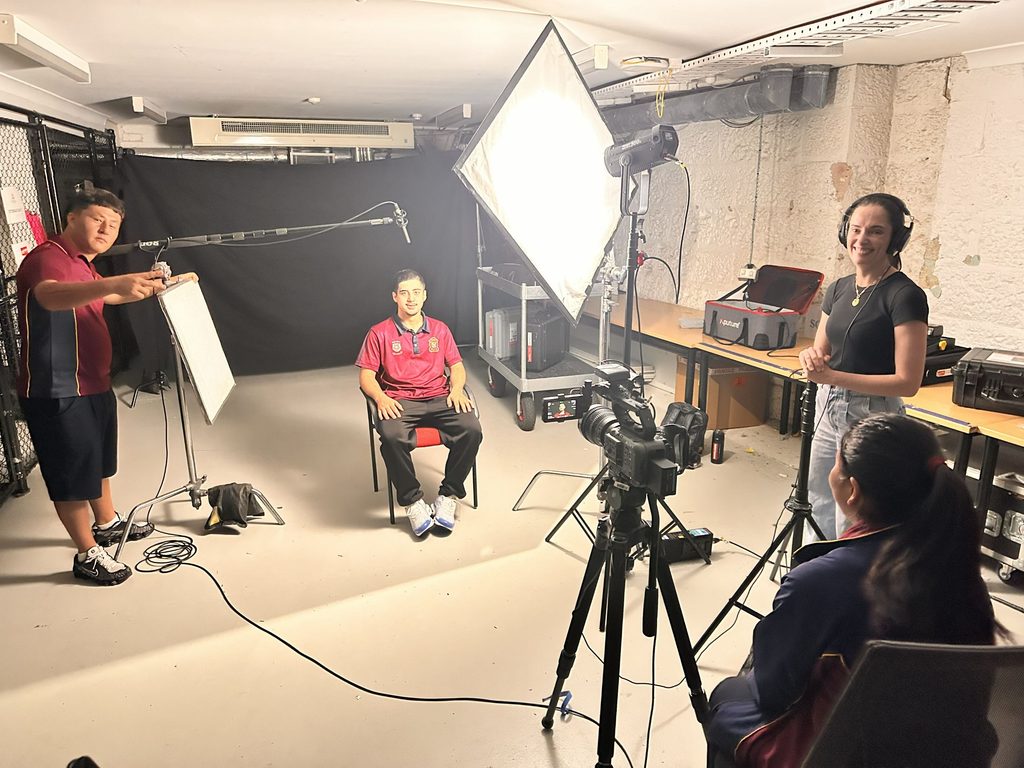
Ms Jo Flamia, Media Arts teacher from Yeronga State High School, said it was invaluable for the students to have the opportunity to work with university professors.
“Stories help shape us and keep us connected us to ourselves, each other and our world; for young people, who are not often given a voice, especially those from diverse backgrounds, to have the opportunity to share their ideas, gives them a sense that they matter and have something to contribute to their community,” Ms Flamia said.
The project was piloted in 2023, and research outcomes were published this year in international journal Studies in Art Education, highlighting the role of creative storytelling in strengthening young people’s identity, confidence, sense of belonging and intercultural understanding.
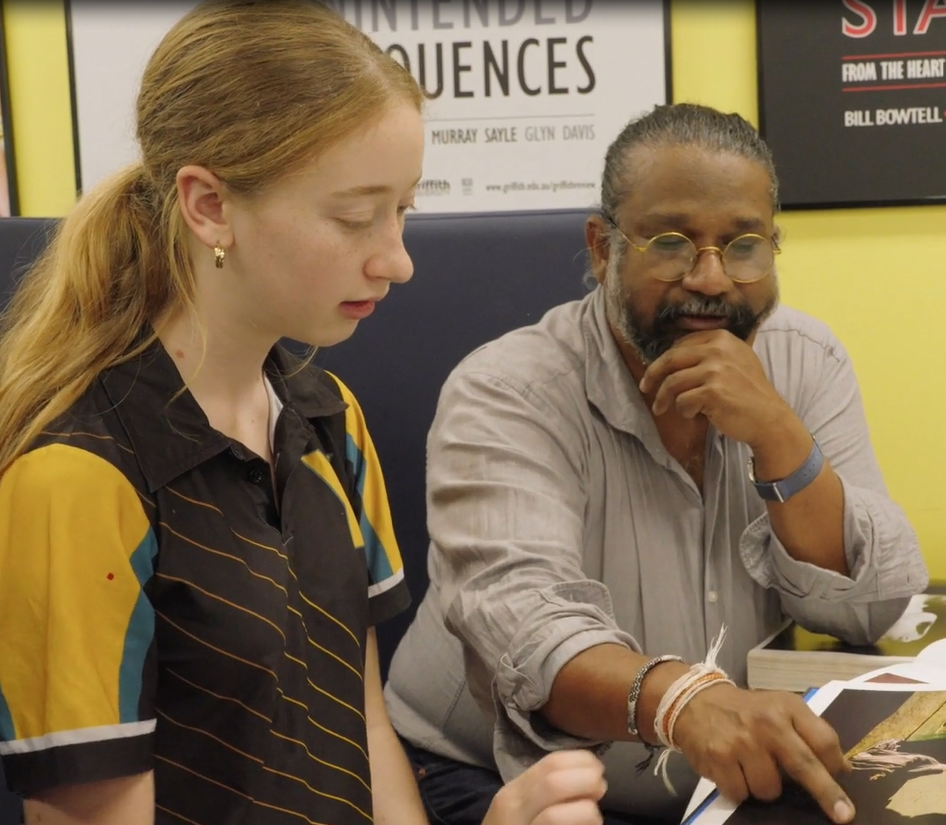
This year’s festival built on this research, further examining young people’s identity, confidence, creative agency and connections across cultures with funding from Brisbane City Council and Multicultural Affairs Queensland.
“Ultimately, this is about more than making films, photographs or songs, it’s about giving young people the confidence to tell their own stories, the opportunity to hear stories different from their own, and for all of us to discover that we have much more in common than we sometimes realise,” Professor Hegedus said.
Story Festival 2026 culminated in a public showcase at Griffith Film School’s cinema at South Bank.
10: Reduced Inequalities
16: Peace, Justice and Strong Institutions
17: Partnerships for the Goals
4: Quality Education