What the research is about
Sulfated polysaccharides are widely used in moisturizing cosmetics and as ingredients in medicines. These sugar-based molecules are highly viscous, can retain large amounts of water, and are also known for their anti-inflammatory and antiviral properties.
Today, most sulfated polysaccharides are extracted from natural resources such as sharks, livestock, and seaweeds. Because of this, researchers have been searching for more sustainable ways to produce them without relying on animals or other natural resources.
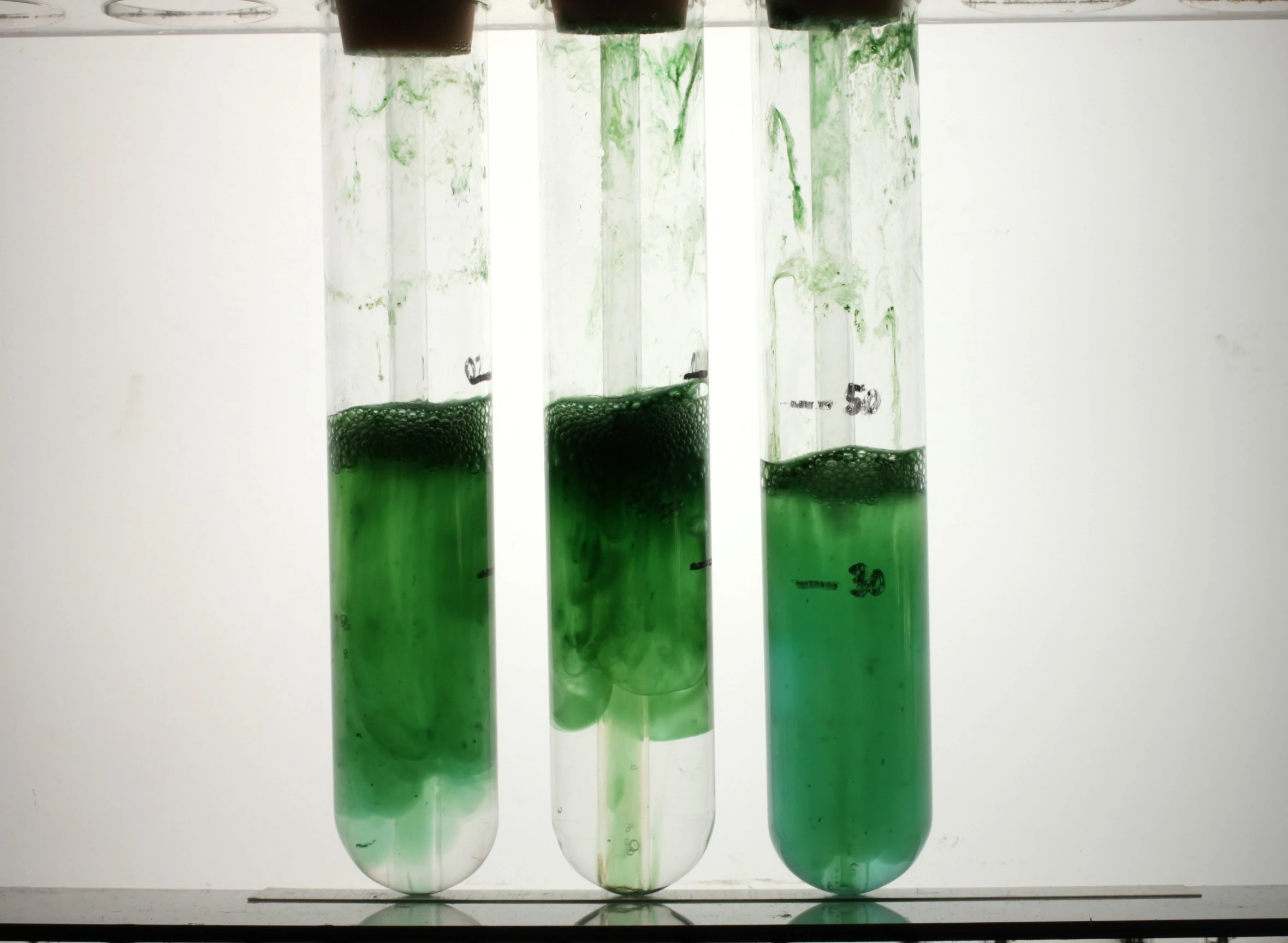
One promising candidate is cyanobacteria-photosynthetic microorganisms that live in a wide range of environments, including oceans, rivers, deserts, and hot springs. Scientists have long known that some cyanobacteria produce sulfated polysaccharides outside their cells, but how they make these molecules remained largely unknown.
Previously, a research team led by Assistant Professor Kaisei Maeda at Institute of Science Tokyo (Science Tokyo) discovered a new sulfated polysaccharide called synechan in a cyanobacterium. They also became the first in the world to reveal one of the mechanisms responsible for producing sulfated polysaccharides in cyanobacteria. The team named the group of genes responsible for this system the xss gene cluster.
Once they understood how cyanobacteria produce sulfated polysaccharides, the researchers began wondering whether other useful sulfated polysaccharides could also be produced by cyanobacteria. Achieving this, however, would require much more than simply inserting a few genes. They would need to transfer an entire production system-a complex network that synthesizes sugars, modifies them, and exports them outside the cell-and make it function correctly in another organism.
To test this idea, the team transferred the xss gene cluster from one cyanobacterial species into another species that does not naturally produce sulfated polysaccharides. Although both organisms are cyanobacteria, no one had ever attempted such a transfer before, and it was unknown whether the complete production system would work in a different species.
Why this matters
Inside living cells, genes serve as blueprints for making proteins, which carry out biological functions. Simply transferring a large number of genes into another organism is usually not enough to make them work as intended.
To overcome this challenge, the researchers transferred not only the xss gene cluster required for synechan production, but also additional xss genes that help the transferred xss genes be properly expressed as proteins. As a result, they became the first in the world to successfully reconstruct a complete sulfated polysaccharide production system in another cyanobacterial species, demonstrating that the recipient cells could produce sulfated polysaccharides.
The researchers also found that the engineered cyanobacteria showed almost no further growth after they began producing sulfated polysaccharides. Further analysis revealed that the activity of hundreds of genes had changed, shifting the cells from a growth state to a stress-response state. In addition, the sulfated polysaccharides produced were not identical to the original synechan, and their production levels were lower than those in the original cyanobacterium. These findings revealed important factors that must be considered when transferring sulfated polysaccharide production systems between cyanobacteria.
Until now, no one had successfully transferred and operated an entire membrane-associated polysaccharide biosynthesis system from one cyanobacterial species to another. This study lays the technological foundation for designing cyanobacteria as customizable factories for producing valuable polysaccharides.
What’s next
Researchers have previously engineered microorganisms such as Escherichia coli to produce sulfated polysaccharides. However, the quality and quantity of the products have not yet been sufficient for practical applications. Many cyanobacteria naturally produce large amounts of sulfated polysaccharides, making them promising hosts for future production.
As this technology advances, it may become possible to use sunlight and carbon dioxide to produce sulfated polysaccharides for cosmetics, medicines, and functional foods in a stable and sustainable way. Such a production system could also contribute to environmentally friendly manufacturing.
The new technique is also expected to accelerate basic research on how cyanobacteria produce sulfated polysaccharides and what roles these molecules play. Genome analysis can predict which genes may be involved in polysaccharide production, but many organisms that possess these genes are difficult to study experimentally. By transferring such gene clusters into easy-to-culture cyanobacteria and testing their functions, researchers may gain valuable new insights into polysaccharide biology.
Comment from the researcher
Have you ever noticed green, slimy patches in a park or a pond? They may actually be cyanobacteria and the polysaccharides they produce through photosynthesis. Cyanobacteria are among the most important groups of organisms supporting the global environment today. We are fascinated by the questions of what kinds of polysaccharides they produce, how they make them, and why they produce them.
At the same time, cyanobacteria are attractive platforms for sustainable biomanufacturing because of their ability to perform photosynthesis and produce sulfated polysaccharides. Our goal is to better understand the biology of cyanobacteria by uncovering how these polysaccharides are synthesized and what functions they serve, while also using this knowledge to develop cyanobacterial polysaccharide factories. We see this study as an important first step toward achieving both goals.
(Kaisei Maeda, Assistant Professor, Laboratory for Chemistry and Life Science, Institute of Integrated Research, Institute of Science Tokyo)
Dive deeper
Explore more research in Science for All
Science for All showcases cutting-edge research at Science Tokyo and highlights the ideas, people, and possibilities shaping the future.