ANSTO researchers have developed a novel wasteform capable of safely immobilising sulphate bearing radioactive wastes, addressing a long-standing challenge in radioactive waste management and opening new opportunities for the treatment of similar wastes internationally.
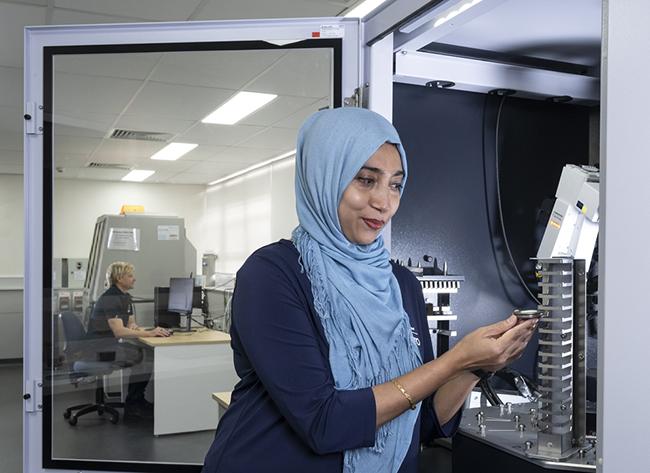
Published in the Journal of the European Ceramic Society, the research is the first demonstration of hot isostatic pressing (HIP) technology being used to consolidate glass-ceramic wasteforms specifically designed for sulphate-rich nuclear wastes. The work was driven by waste streams generated during the production of medical radioisotopes at ANSTO, where sulphate-bearing liquid wastes can be particularly challenging to treat and immobilise.
Sulphate-rich wastes are not unique to Australia and are also produced through a range of nuclear activities worldwide, including at several stages of the nuclear fuel cycle, nuclear facility decontamination, and the treatment of legacy radioactive wastes, highlighting the broader relevance of this research to international waste management programs.
The researchers developed a novel glass-ceramic composite in which sulphate is incorporated into durable crystalline phases distributed throughout a glass matrix. The resulting material demonstrated excellent chemical durability and formed a highly dense, low-porosity monolith suitable for long-term waste immobilisation. A key outcome of the study was the successful retention of sulphate during processing, avoiding issues commonly associated with sulphur volatility and off-gas generation.
Detailed analysis also showed that interactions between the wasteform and its stainless-steel canister were minimal, with no evidence of detrimental effects on wasteform performance or canister integrity. The research was led by Dr Rifat Farzana and Dr Daniel Gregg and involved support from staff across ANSTO, with significant contributions from the Synroc team and collaboration from the University of New South Wales.
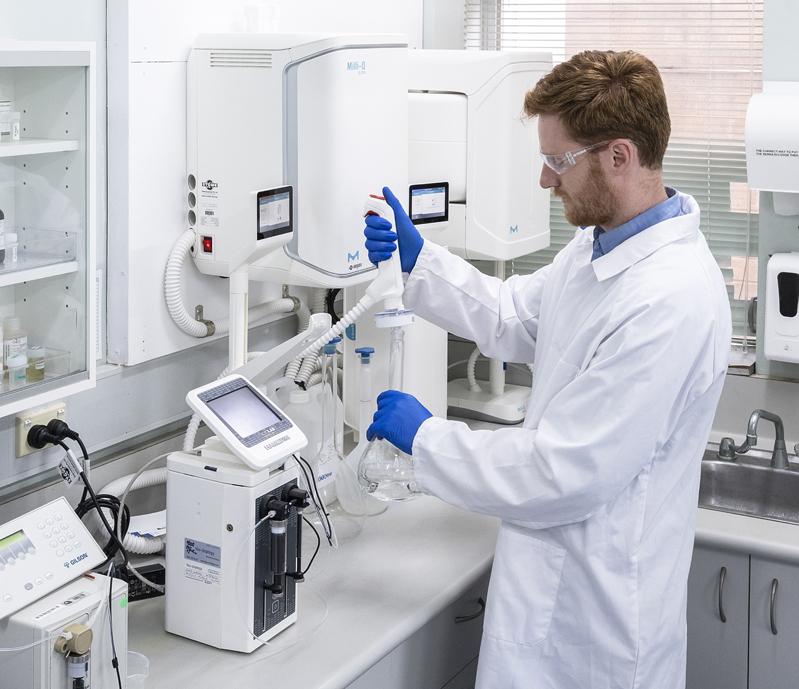
It builds on ANSTO’s internationally recognised ANSTO SYNROC® technology and decades of expertise in radioactive waste immobilisation. The results demonstrate the potential of this technology to provide a practical pathway for the long-term management of sulphate-bearing radioactive wastes, supporting ANSTO’s mission in radiopharmaceutical production while offering a potential solution to a broader international waste management challenge.
The work also establishes a strong foundation for future research and engineering development with further optimisation, scale-up and integration to translate this promising concept into a deployable waste treatment capability. ANSTO is commissioning a first-of-a-kind Synroc Waste Treatment Plant for 99Mo intermediate level liquid