New research from the Daffodil Centre, a partnership between Cancer Council NSW and the University of Sydney, shows that more than 2.6 million Australians are projected to be living with or beyond cancer by 2050.
While this reflects major advances in survival and treatment, with more people surviving a cancer diagnosis than ever before, it also raises new challenges in how we prevent cancer, detect it earlier and support the growing number of people impacted by it.
As we reflect on Daffodil Day and 40 years of community support for life-saving cancer research, these findings are both a celebration of progress and a reminder of the work still ahead. When Daffodil Day first took roots in the 1980’s, the 5-year survival rate for Australians diagnosed with cancer were just 46%, and today that number has risen to over 72%. The progress made in cancer detection and treatment have helped more Australians survive cancer than ever before and are only possible thanks to continued investment in cancer research, intervention and support.
Cancer Council NSW CEO, Professor Sarah Hosking, says that with more people projected to be living with or beyond a cancer diagnosis it poses us with a new challenge to support them to live well, “our work doesn’t end at diagnosis or treatment. As more people live longer after cancer, we must continue to understand how to support them to live well, not only during treatment, but long after their diagnosis.”
What do the projections tell us?
Lead author, Associate Professor Qingwei Luo, from the Daffodil Centre, says the findings demonstrate that cancer is increasingly becoming a long-term condition rather than a short-term illness, “More Australians are surviving cancer than ever before. However, as survival improves and the population grows and ages, more Australians will require ongoing support well beyond their initial diagnosis and treatment.”
The study tells us that nearly 1.7 million people are currently living with or beyond a cancer diagnosis, which includes those currently being treated, those who have finished treatment but are still living with its side effects, and people who have been cancer free for years after treatment.
That number is set to increase by a staggering 57% to more than 2.6 million by 2050. This isn’t just a projection; it’s a glimpse into Australia’s future.
Additionally, it is estimated that 1.15 million people are expected to still be living with cancer and requiring ongoing treatment, with breast, prostate, melanoma and bowel cancers expected to remain the most common forms of cancer.
A/Prof Luo say these numbers reflect Australia’s ageing and growing population and improved cancer survival rates thanks to advancements in research, detection and treatment. The next frontier is building a healthcare system that supports healthy ageing and long-term wellbeing for survivors of all ages.
Why this matters for every Australian
More people living with cancer means more people who require more treatment, follow-up care, survivorship support and ultimately, a healthcare system in Australia that can support this.
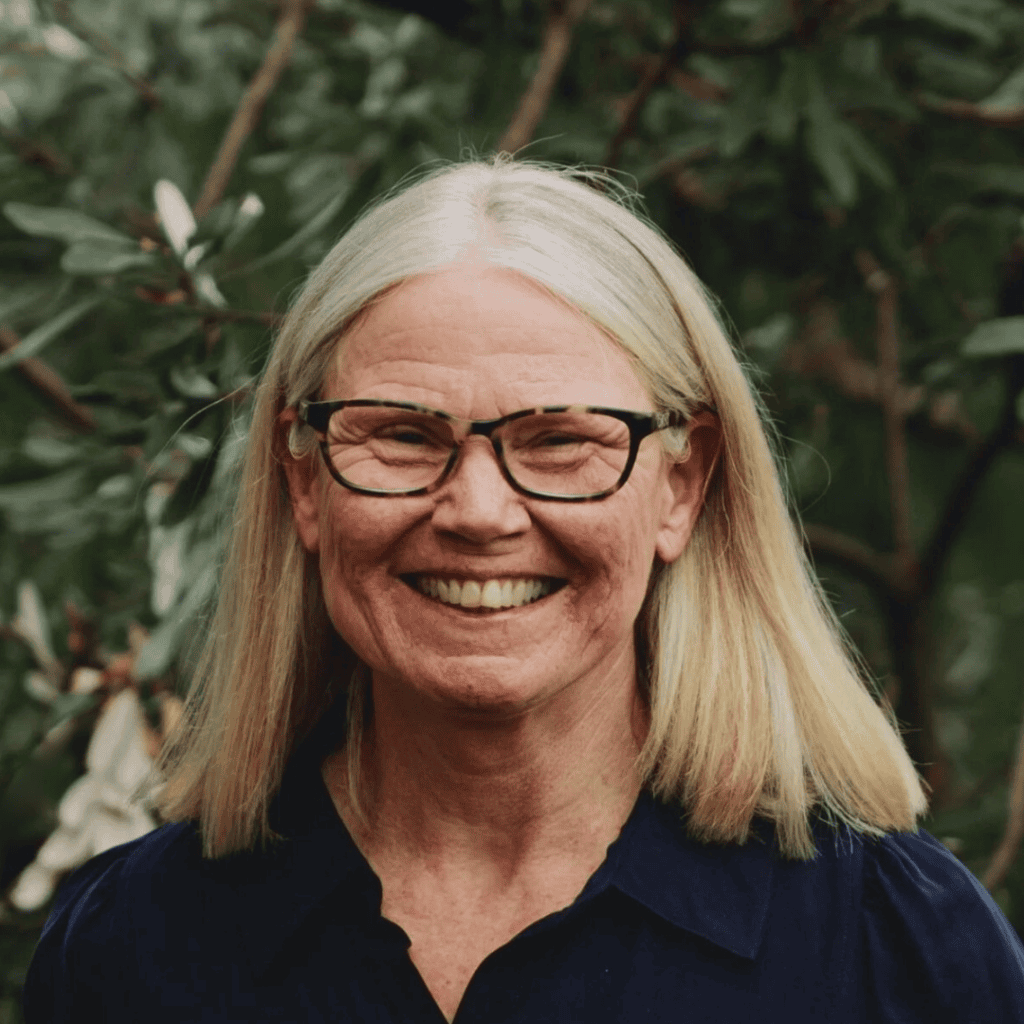
Dr Andrea Smith OAM, Senior Research Fellow at the Daffodil Centre, who is also living with stage IV metastatic breast cancer says, “These projections aren’t just numbers, they represent real people, families and futures. Knowing that cancer prevalence is set to rise is confronting, but it also reinforces why investment in research, prevention, early detection and support services must keep pace.”
Why prevention matters more than ever
These finding remind us that we need to focus on stopping cancer before it starts and that 1 in 3 cancers can be prevented.
While an more people surviving cancer is positive, reducing future diagnoses remains critical. Therefore, cancer prevention is still one of the most effective ways to reduce the burden on individuals, their families, and the healthcare system.
Associate Professor Luo added, “These figures show cancer is not going away, but many diagnoses don’t have to happen. Preventing cancers from occurring in the first place is the most effective way to reduce the long-term burden on people and the health system.”
Understanding how cancer will affect future generations allows researchers, policymakers and health services to prepare for what lies ahead and identify opportunities to reduce the impact of cancer before it occurs.
Alongside producing evidence that informs health policy and cancer control strategies, the Daffodil Centre is helping shape the future of cancer prevention through precision cancer prevention, developing tools that can predict cancer risk earlier, enable earlier intervention and detection, and help more Australians avoid a cancer diagnosis or find cancer at its earliest, most treatable stages.
If you would like more details on information and support service for anyone affected by cancer, whether facing a diagnosis, living beyond cancer, or supporting someone as a carer, friend, family member or health professional, you can contact Cancer Council NSW on 13 11 20 or visit our website www.cancercouncil.com.au
We provide confidential cancer information, practical advice, emotional support and evidence-based cancer information.