People with post-COVID-19 condition reported higher levels of fatigue and showed slower reaction times than healthy individuals. A new study from Karolinska Institutet, published in NeuroImage: Reports, also found lower blood flow in several parts of the brain, which may be linked to the cognitive difficulties experienced by many people after COVID-19.
Fatigue is one of the most common and disabling symptoms of post-COVID-19 condition (PCC), often referred to as long COVID. Although the condition has been studied extensively since the pandemic, the biological mechanisms behind persistent symptoms are still not fully understood.
A test of attention and fatigue
Researchers at Karolinska Institutet investigated the relationship between fatigue, cognitive performance and brain blood flow in 22 people with PCC and 19 healthy control participants matched for age and sex.
Participants completed a 20-minute sustained attention task while researchers measured blood flow in the brain using functional magnetic resonance imaging (fMRI). During the test, they were asked to respond as quickly as possible to visual signals.
People with PCC reported a greater increase in fatigue during the task than the control group. They also had consistently slower reaction times.
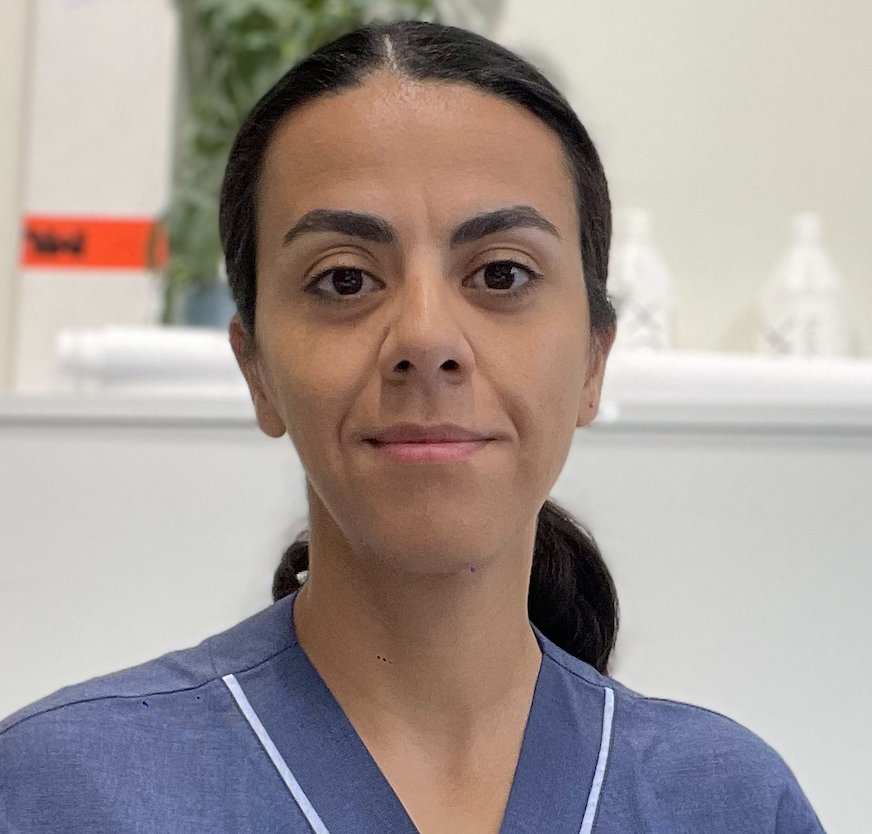
Photo: N/A
“Our findings show that people with post-COVID-19 condition not only report more fatigue, but also perform more slowly on a task that requires sustained attention,” says Sonia Miri Hedberg , doctoral student at the Department of Clinical Sciences, Danderyd Hospital , Karolinska Institutet, and first author of the study.
Differences in brain blood flow
The researchers also identified differences in cerebral perfusion, the flow of blood through the brain. On average, participants with PCC had slightly lower cerebral blood flow than healthy controls. More pronounced differences were seen in several brain regions involved in attention, sensory processing and cognitive control.
Further analyses showed that slower reaction times were associated with lower brain blood flow. Participants with PCC also displayed greater variation in their reaction times during the test, a pattern that has previously been linked to mental fatigue in other neurological conditions.
“The study suggests that changes in brain blood flow may be part of the explanation for the fatigue and concentration difficulties described by many patients,” says Sonia Miri Hedberg.
The researchers emphasise that the study cannot establish cause and effect. As the number of participants was relatively small, the findings need to be confirmed in larger studies. The fMRI method used also cannot fully determine whether the observed differences reflect reduced blood flow in brain tissue or changes in blood transport through the brain’s small blood vessels.
According to the researchers, the findings contribute to a better understanding of the biological changes that may underlie long-lasting fatigue after COVID-19.
The study was conducted at the Cognitive Post-COVID Outpatient Clinic at Danderyd Hospital in collaboration with researchers at Karolinska Institutet and Karolinska University Hospital. The research was funded by Promobilia. The authors report no conflicts of interest other than one researcher having received research funding from Promobilia.
Publication
Sonia Miri Hedberg, Kristian Borg, Jonas Stenberg, Stina Hedström, Tobias Granberg, Alexandra Gyllenberg, Sven Petersson, Hadrien Van Loo, Love Engström Nordin, Marika C. Möller, NeuroImage: Reports, Volume 6, Isssue 4, December 2026, 10.1016/j.ynirp.2026.100406