A landmark Indian clinical trial has found that giving steroids in short bursts instead of continuously can halve early treatment‑related deaths in children with leukaemia without reducing their chances of being cured.
The study led by the Indian Childhood Collaborative Leukaemia (ICiCle) group, which includes University of Manchester researchers, treated over 3000 children with acute B‑cell precursor acute lymphoblastic leukaemia (ALL) at six major centres across India.
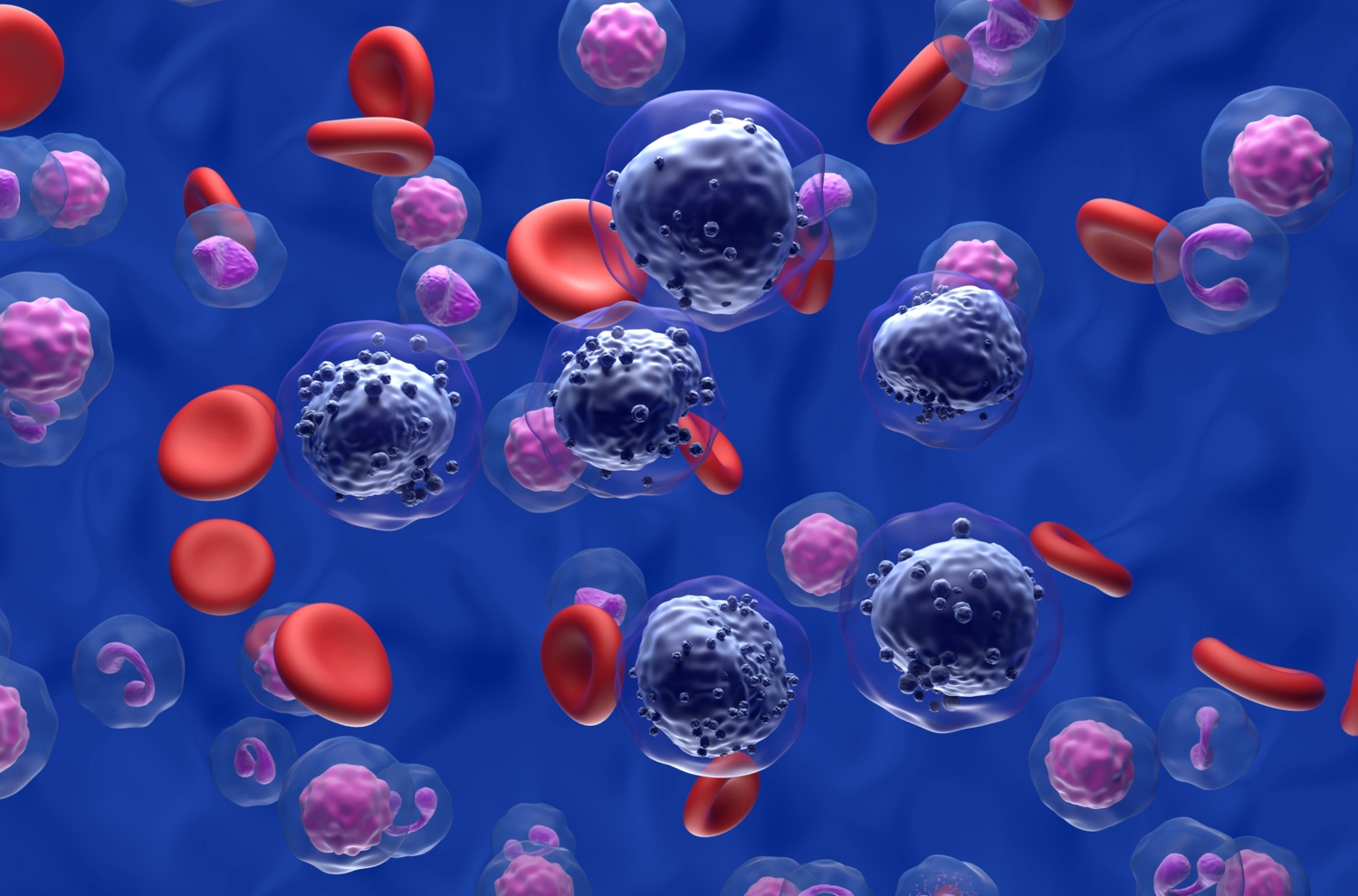
ALL is a fast‑growing blood cancer that starts from very early B‑cells in the bone marrow. It is the most common form of ALL, especially in children.
Publishing in the Lancet Regional Health – Southeast Asia, the researchers compared the standard four‑week continuous steroid course with a pulsed schedule given in weeks one, two and four.
Children on the pulsed schedule had far fewer early deaths, with rates falling from 3.5% to 1.3%.
Most leukaemia related early deaths are currently caused by severe infections linked to continuous steroid use – a major challenge in low‑ and middle‑income countries.
Crucially, the shorter steroid exposure did not affect how well treatment worked, with remission rates of around 98% in both groups.
Survival outcomes were also similar, showing that the safer approach does not compromise cure.
The trial also found that using a powerful and highly effective class of chemotherapy drugs called anthracyclines early in treatment increased the risk of treatment‑related deaths.
The findings come from the ICiCle‑ALL‑14 trial, the first multicentre randomised paediatric oncology trial conducted in India.
Childhood leukaemia now has survival rates above 90% in many wealthy countries.
But children in low‑ and middle‑income countries still face far higher risks of dying during treatment, often because infections strike early on.
Since 2013, the ICiCle group team has been working to bring a consistent, modern treatment approach to children with leukaemia across India, rolled out to centres across India.
Professor Vaskar Saha from The University of Manchester and Tata Medical Center, is lead author and founder of the ICiCle group.
He said: “We show for the first time that a simple change in how we give steroids can save lives. By reducing continuous exposure, we appear to lessen the risk of severe infections without compromising the effectiveness of treatment. This is a practical, low‑cost intervention that could be adopted widely, particularly in settings where treatment‑related mortality remains high.”
Professor Venkatraman Radhakrishnan of the Cancer Institute (WIA) said: “The study provides robust randomised evidence that steroid scheduling itself is a modifiable determinant of induction mortality. The lack of any detriment in MRD response or survival makes this a particularly compelling practice change.”
The study was funded by the National Cancer Grid, Indian Council of Medical Research, DBT-Wellcome India Alliance and Tata Consultancy Services.
The participating centres were:
- BR Ambedkar Rotary Cancer Hospital – All India Institute of Medical Sciences, New Delhi
- Department of Pediatrics, PGIMER Chandigarh – Postgraduate Institute of Medical Education and Research
- Department of Pediatrics, AIIMS New Delhi – All India Institute of Medical Sciences
- Department of Pediatric Oncology, Tata Memorial Hospital Mumbai – National cancer centre
- Department of Paediatric Haematology and Oncology, Tata Medical Center Kolkata – Tertiary paediatric cancer service
- Department of Medical Oncology, Cancer Institute (WIA) Chennai – One of India’s oldest cancer institutes
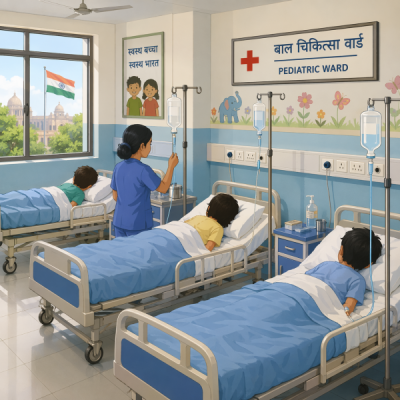
The image was created with AI