The CEFC, Aviva Investors and Gresham House have launched a groundbreaking $142 million project to invest in sustainable forestry plantations in Tasmania, creating local jobs and injecting significant capital into the regional economy while generating high integrity Australian Carbon Credits Units (ACCUs) and protecting an important Ramsar wetland.
The new Tasmania Natural Asset Trust (TNAT) platform is an afforestation and natural capital platform to be managed by Gresham House Asset Management (GHAM). It has investments from the CEFC, Aviva Investors and Gresham House Limited.
The cornerstone asset for the platform is a vast 21,745ha property in northern Tasmania Rushy Lagoon.
This critical investment converts degraded farmland into a production model that will boost the Australia’s forestry industry, create local jobs, support sustainable timber production, introduce sustainable grazing and protect the unique environment.Heechung Sung
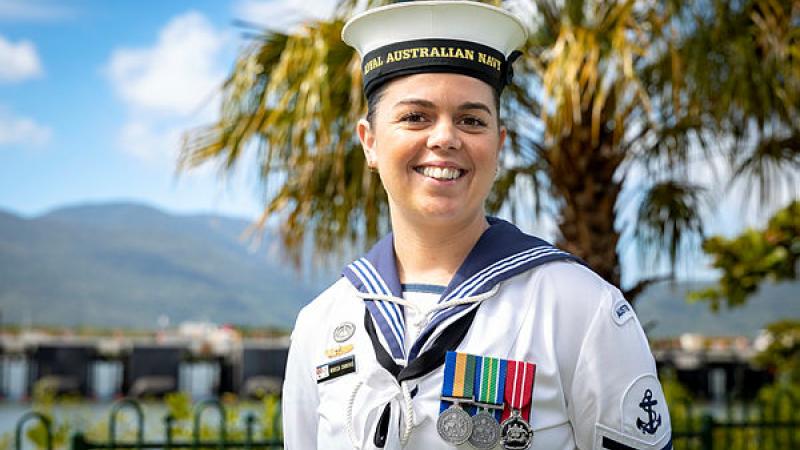
CEFC Head of Natural Capital
The pioneering project will combine commercial softwood plantations on low productive land with large-scale conservation and ecological restoration and sustainable grazing. This is expected to provide a major boost to Tasmania’s forestry industry.
The Radiata Pine trees produced by the project are expected to be processed locally by Tasmanian-based sawmills and supplied into the Australian market. This will alleviate some of Tasmania’s wood supply pressures and help divert harvesting away from native forests.
It is expected to stimulate the local economy, creating jobs for contractors, sawmill operators, field surveyors and planting crews.
In addition, sustainable agricultural activities will continue in designated areas across the property.
CEFC Head of Natural Capital, Heechung Sung said: “This critical investment converts degraded farmland into a production model that will boost the Australia’s forestry industry, create local jobs, support sustainable timber production, introduce sustainable grazing and protect the unique environment.
“It is a demonstration of the power of institutional capital to drive economic development for regional communities while also supporting decarbonisation and positive environmental outcomes. Direct benefits are expected to include:
- More than 190 new jobs over the life of the project.
- Production of approximately five million tonnes of timber and 3.2 million ACCUs.
- Timber will be grown under Forestry Stewardship Council (FSC) certification or Programme for the Endorsement of Forest Certification (PEFC) and be processed by Tasmanian sawmills to help offset a critical shortage of construction timber in the Australian housing market.
Ms Sung added: “This initiative represents a long-term equity investment in nature and Australian forestry that will provide significant local employment and contractor opportunities. By utilising high-integrity Plantation Forestry and Environmental Plantings Australian Carbon Credit Unit methods, the economics support the establishment of this new large scale investment opportunity, generating commercial returns.”
Greta Talbot-Jones, Director of Natural Capital at Aviva Investors and co-Portfolio Manager of the Carbon Removal Fund, said: “This is an important project in Tasmania with the potential to create real economic benefits for the region and repair a degraded area of land through considered and sensitive afforestation. We think it will be a great example of how our investment activity can deliver long-term investment outcomes, whilst having a positive and real-world benefit on the surrounding habitat and within local communities.
“Working with the CEFC and Gresham House, alongside local land and development partners in Tasmania, gives us clear, direct reporting lines which are vitally important in helping to deliver on our financial and sustainability ambitions to create positive change and long-term value.”
Dorian van Raalte, Associate Director, Forestry and Natural Capital at Gresham House said: “TNAT is a new model for sustainable land management in Tasmania. By combining climate-positive forestry with restoration of high-value habitats, we aim to deliver durable natural capital outcomes while supporting regional jobs and skills. Our management approach prioritises safeguards, certification and transparent monitoring, including the protection of the Lower Ringarooma Ramsar site.”
Rushy Lagoon includes ecologically significant wetlands and threatened species, with part of the purchase area intersecting the internationally recognised Floodplain Lower Ringarooma River Ramsar Site.
Alongside restoration of the wetlands and conservation areas, the project design will include protective buffers and hydrology safeguards to help maintain the ecological character of the Ramsar site.
Ramsar wetland
A Ramsar wetland is a site designated under the Convention on Wetlands of International Importance (the Ramsar Convention), an international treaty signed in 1971 in Ramsar, Iran, to halt loss and conserve wetlands of global importance. Wetlands under the convention are considered rare or unique, or important for conserving biological diversity. Each wetland must meet at least one of nine criteria, such as:
- Supporting rare or endangered species.
- Maintaining regional biodiversity.
- Representing unique wetland types
In Australia, Ramsar wetlands are protected under the Environment Protection and Biodiversity Conservation Act 1999, which requires maintaining their ecological character and implementing management plans.1
About Aviva Investors
Aviva Investors is the global asset management business of Aviva plc. The business delivers investment management solutions, services and client-driven performance to clients worldwide. Aviva Investors operates in 9 countries in Asia Pacific, Europe, North America and the United Kingdom with £262 billion in assets under management as at 31 December 2025.
About Gresham House
Gresham House is a specialist alternative asset manager focused on delivering financial returns for clients by investing in the global themes shaping our future. We take a partnership approach to investing on behalf of our clients, helping them achieve their financial and sustainability objectives, delivering value through our investment performance, and collaborative approach to addressing their needs. Gresham House manages assets of c.€12.3 billion (as at 31 December 2025) on behalf of institutions, family offices, charities and endowments, private individuals and their advisers. Our clients access our strategies through funds, direct investments and tailored solutions including co-investments.
1 https://www.dcceew.gov.au/water/wetlands/publications/factsheet-australias-ramsar-sites