Children whose mothers have congenital heart defects are more likely to experience difficulties in areas such as language, communication and social skills when they start school. This is according to a new study from Karolinska Institutet and the University of British Columbia, published in PLOS Medicine.

“It is important to remember that most children of mothers with congenital heart defects developed normally, and that children with developmental vulnerability did not necessarily have a clinical diagnosis,” says Zakir Hossin , researcher at the Department of Medicine, Solna , Karolinska Institutet in Sweden and at the University of British Columbia in Canada.
The researchers analysed data from over 250,000 children born in British Columbia between 1995 and 2016. At the age of 5-6, the children’s teachers were asked to complete a standardised form on the children’s development and school readiness across five areas: language and cognition, social skills, emotional maturity, communication skills, and physical health and well-being.
Around one in four children whose mothers had a congenital heart defect were assessed as being developmentally vulnerable in two or more of these areas. The corresponding proportion among children of mothers without heart defects was around one in six (just under 17 per cent). The difference remained even after the researchers had taken into account factors such as the mother’s age, social circumstances, and other health conditions.
More women become pregnant
The association was most pronounced among children whose mothers had more severe forms of congenital heart defects. In that group, the risk of developmental vulnerability was almost twice as high compared with children of mothers without congenital heart defects. The researchers also found that premature birth accounted for only a small part of the association.
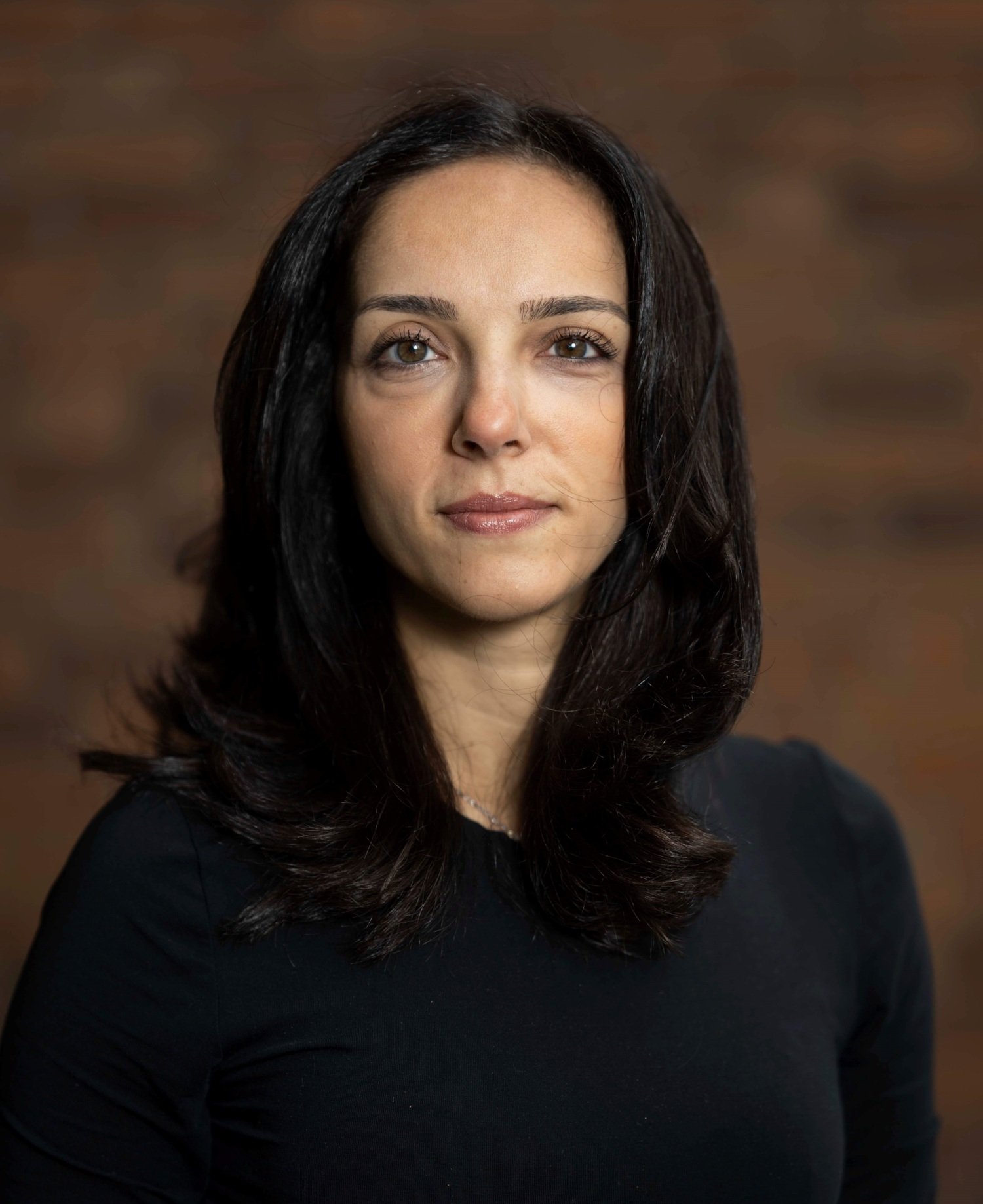
“Thanks to improved cardiac care, more and more women with congenital heart defects are reaching adulthood and are able to become pregnant, which is very encouraging,” says Neda Razaz , senior lecturer and docent at the Department of Medicine, Solna, Karolinska Institutet. “Our findings underline the importance of offering extra support and follow-up before, during and after pregnancy, so that children and families can receive the help they need as early as possible.”
The researchers emphasise that the mechanisms behind the association are not yet clear. More research is needed to disentangle the potential role of intrauterine, genetic or environmental factors after birth.
The study was funded by Forte (the Swedish Research Council for Health, Working Life and Welfare), the Swedish Heart-Lung Foundation and the Canadian Institutes of Health Research. The researchers report no conflicts of interest.
Publication
“Maternal congenital heart disease and risk of child developmental vulnerability in early school age: A population-based cohort study” , Muhammad Zakir Hossin, Anne Gadermann, Edit Nagy, Randip Gill, Monique Gagné Petteni, Jonas Faxén, Neda Razaz, PLOS Medicine, online 2 July 2026, doi: 10.1371/journal.pmed.1004890.