Developed at Macquarie University in the early 1990s, the Cool Kids program uses evidence-based cognitive behavioural therapy techniques to teach children, teenagers and their families practical skills to manage anxiety.
Since it began, the program has grown from a university-based treatment program into an internationally recognised suite of interventions used in more than 25 countries, including schools, clinics and hospitals in around a dozen different languages. Most recently, Macquarie researchers and clinicians have trained hundreds of health professionals in Slovenia, Estonia and New Zealand to deliver Cool Kids in their own communities.
Distinguished Professor Ron Rapee, who led the development of the Cool Kids and research into childhood anxiety at Macquarie for more than three decades, said its international reach was something the original team could never have anticipated.
“When we started this work, anxiety in children was not well understood and there were very few proven treatments available,” Professor Rapee said.
“To see Cool Kids still being used more than 30 years later, and to see clinicians around the world adapting it to help children and families in their own communities, is enormously rewarding.
“What I’m most proud of is that the program has always remained grounded in research. We have continued to test it, improve it and look for new ways to make effective mental health support available to more young people.”
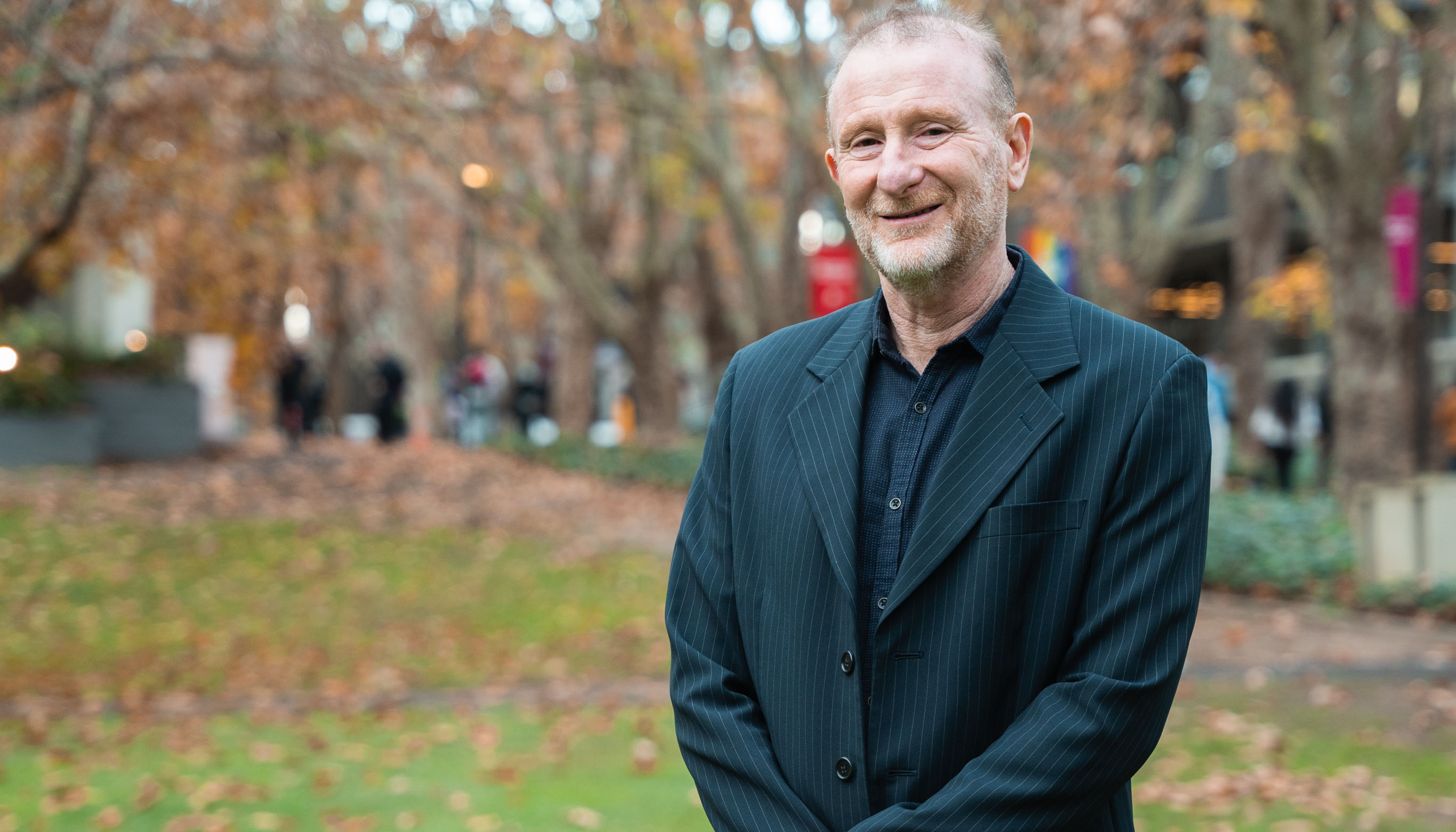
Distinguished Professor Ron Rapee was a pioneer of the Cool Kids prgram. Picture: Macquarie University
Macquarie researchers went on to develop and test new approaches for identifying mental health difficulties among thousands of children in Australian schools. That work ultimately contributed to the development of My Mind Check, a free Australian Government-funded digital mental health and wellbeing check-in service for schools.
My Mind Check is designed to help schools identify emerging wellbeing and mental health concerns earlier and connect students with appropriate support. The service has conducted 45,000 check-ins nationally.
Professor Viviana Wuthrich, Director of Macquarie University’s Lifespan Health and Wellbeing Research Centre, said the expansion of the Centre’s application to initiatives such as My Mind Check and Study without Stress, reflected a continuing focus on making evidence-based support more accessible.
“One of the biggest challenges in child and adolescent mental health is not simply developing treatments that work, but making sure young people can actually access them,” Professor Wuthrich said.
“The research that began with programs like Cool Kids has continued to evolve as we look at how technology, schools and new models of care can help us reach children earlier and at much greater scale.”
Ben*, who went through the Cool Kids program with his now-17-year-old daughter Charlotte when she was entering high school, said it gave then both tools to deal with her anxiety that they still use to this day.
“It’s absolutely such a life-changing program,” Ben said. “To think of that beautiful little girl in year 6 who was worried about going to school because she might vomit, to being the performing arts captain today.
“The anxiety has not gone away. She just knows what it’s called. She now knows what it is and, when it happens, she gives it its proper name.
“It gave both of us the tools to actually move forward. Through practising those skills together, we have that common language that when she is feeling anxious, she can give me a call and we just have a conversation.”