By combining multiple types of analysis, researchers can better understand why treatments work differently in acute myeloid leukaemia (AML). This is shown in a new doctoral thesis from Karolinska Institutet.
Acute myeloid leukaemia (AML) is a type of blood cancer with an often poor prognosis, particularly in older patients. Despite advances in targeted therapies, relapse is common and treatment response varies between patients.
In her thesis, Nona Struyf , a doctoral student at the Department of oncology-pathology , investigated how so-called functional precision medicine can help predict which treatments are most effective for individual patients. The approach combines genetic analyses with tests in which patients’ cancer cells are exposed to different drugs outside the body.
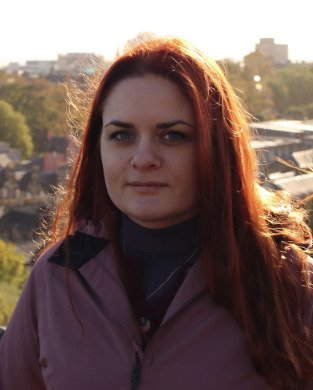
Photo: Alan Khudur
“Our aim was to understand why patients respond differently to treatment, and whether combining different types of data could help identify which treatments are most likely to work for individual patients” says Nona Struyf, doctoral student at the department of oncology-pathology.
The work includes analyses of samples from patients with AML using several advanced techniques, including measurements of gene expression and proteins, as well as analyses at the single-cell level. These data were linked to how the cells responded to different drugs.
Cell development linked to drug response
The results show that drug response varies substantially between patients and cannot be explained by genetic changes alone. Instead, the state of the cells, for example whether they resemble immature stem cells or more differentiated cells, appears to play an important role in how they respond to treatment.
“We found that the characteristics of the cells and their stage of development, as well as previous treatments, influence both sensitivity and resistance to different drugs,” says Nona Struyf.
The study also identified several possible mechanisms underlying treatment resistance, such as changes in cellular signalling pathways and the cells’ ability to evade cell death. This suggests that the disease may change over time, which could make it difficult to treat with a single drug.
The thesis was supervised by Tom Erkers, PhD, at the Department of oncology-pathology. The public defence will take place on 15 June.