This week marks 5 years since Australia, the United Kingdom and the United States announced AUKUS, a landmark partnership to strengthen collective security and stability in the Indo-Pacific and establish a pathway for Australia to acquire a conventionally armed, nuclear-powered submarine capability.
Five years on, the impact of AUKUS is evident across Australia.
Australians are undertaking nuclear-powered submarine training in the United States and United Kingdom, Australian businesses are entering global submarine supply chains, and major infrastructure projects are transforming Western Australia and South Australia in preparation for a future sovereign conventionally armed, nuclear-powered submarine capability.
Since the announcement in September 2021(Opens in a new tab/window) , AUKUS Pillar I has evolved from a strategic vision into a program delivering tangible outcomes across workforce development, infrastructure, industry participation and international collaboration.
Director-General Australian Submarine Agency Vice Admiral Jonathan Mead said the past 5 years had laid the foundations for one of the most significant nation-building endeavours in Australia’s history.
‘AUKUS represents a generational investment in Australia’s security, workforce and industrial capability,’ said Vice Admiral Mead.
‘While our long-term goal is the acquisition of a nuclear-powered submarine capability, we are seeing the benefits of AUKUS right now with exciting opportunities being created for Australians across the country.’
Established in 2023 to lead delivery of Australia’s conventionally armed, nuclear-powered submarine program, the Australian Submarine Agency has worked across government, industry, academia and international partners to advance the AUKUS Optimal Pathway and prepare Australia for future milestones.
Turning a vision into a pathway
A major AUKUS milestone came in March 2023 with the announcement of the Optimal Pathway(Opens in a new tab/window) , which provided a clear roadmap for Australia to acquire and sustain a conventionally armed, nuclear-powered submarine capability.
The announcement transformed AUKUS from a strategic commitment into a practical plan for delivery, providing clarity around how Australia would progressively build the people, infrastructure, industrial capability and regulatory frameworks needed to support a sovereign nuclear-powered submarine enterprise.
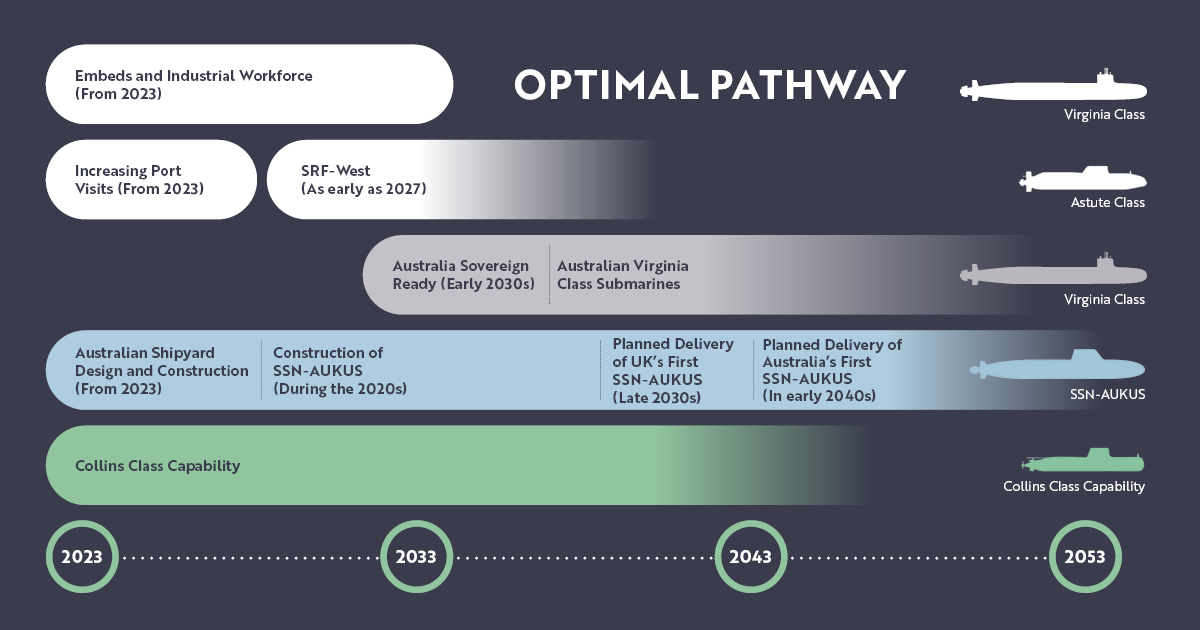
The pathway outlined a phased approach that would see Australia develop the workforce, industrial capacity, infrastructure and regulatory systems required to support the capability over the decades ahead.
Since then, efforts have accelerated across all areas of delivery. Australian personnel have embedded within US and UK submarine programs, gaining operational, engineering and sustainment experience, while investments in training and education are helping build the workforce needed to support the future enterprise.
Key agreements, including the AUKUS Naval Nuclear Propulsion Agreement(Opens in a new tab/window) and the Australia-United Kingdom Geelong Treaty , have established the legal and strategic frameworks needed to support long-term cooperation under AUKUS Pillar I.
More recently, Defence Ministers from all three nations reaffirmed that the Optimal Pathway remains on track, while milestones such as the selection of Lockheed Martin Australia as the preferred Combat System Integration Partner for Australia’s future Virginia-class submarines have highlighted the continued momentum of the program.
Investing in people
At the centre of the AUKUS enterprise are the thousands of Australians who will operate, maintain, regulate and support the nation’s future conventionally armed, nuclear-powered submarine capability.
Across Australia, a comprehensive suite of workforce development initiatives is helping build the skills needed to safely and securely design, build, operate and sustain the future submarine capability. These efforts span the entire workforce pipeline, from school and university students through to tradespeople, engineers, technicians and submariners.
A major milestone was reached in 2025 when groundworks commenced(Opens in a new tab/window) on South Australia’s Skills and Training Academy campus, which will become a centre of training for the future nuclear-powered submarine and naval shipbuilding workforce.
Programs such as Jobs4Subs, the Defence Industry Pathways Program(Opens in a new tab/window) and the Shipbuilding Employment Pathways initiative are also creating opportunities for Australians to develop critical trade and technical skills that will support the submarine enterprise for decades to come.
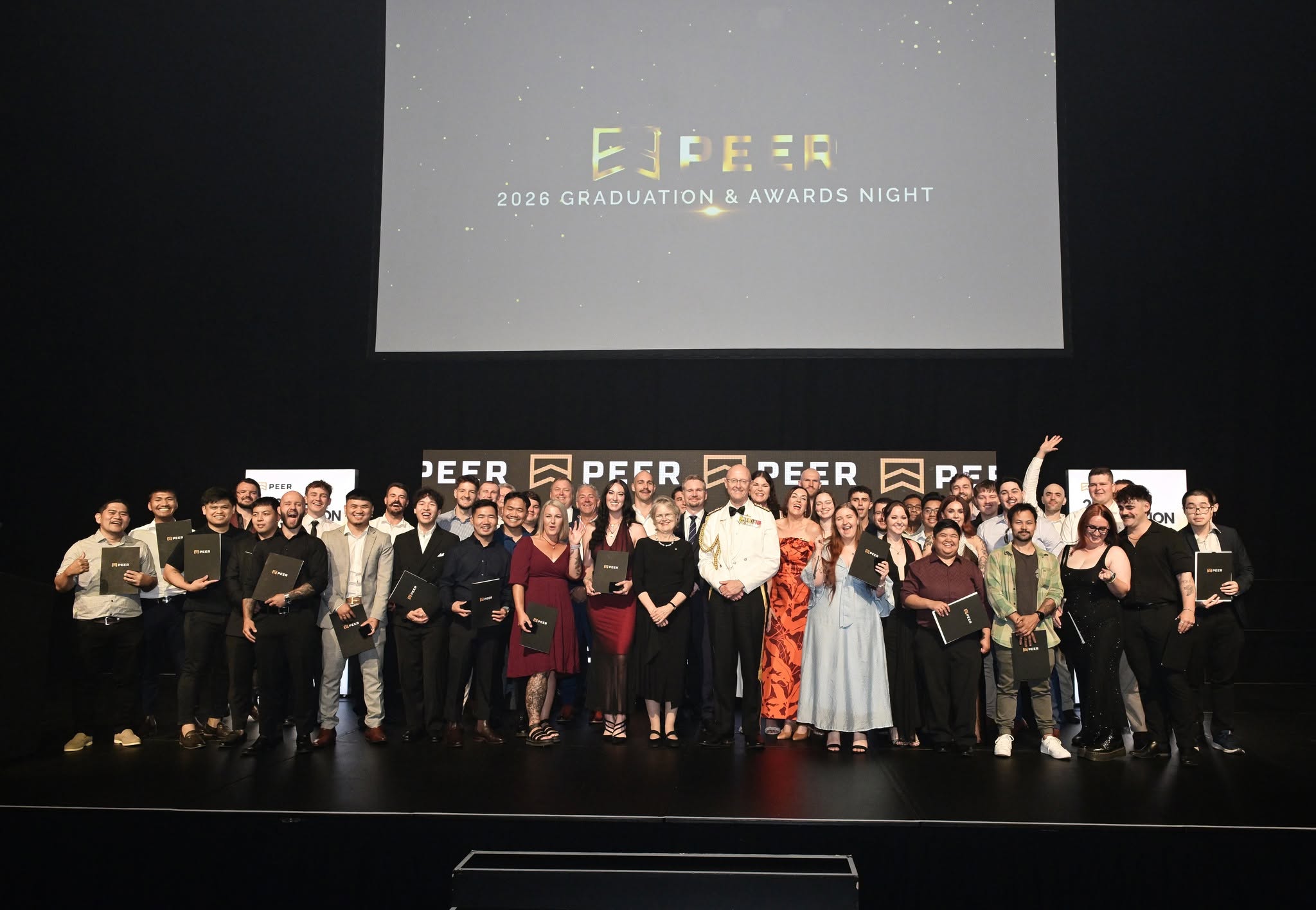
To date, the Australian Government has announced more than 19 workforce initiatives that will deliver training opportunities to more than 10,000 Australians, strengthening the workforce needed to support the AUKUS submarine program.
Investment is also being made in Australia’s future STEM workforce. Through the Nuclear-Powered Submarine Student Pathways Program, more than 4,000 Commonwealth Supported Places have been made available at Australian universities in disciplines critical to the submarine enterprise. This is being complemented by the recently launched Propel: Australian Submarine Scholarship Program , which will deliver 3,000 undergraduate scholarships to help develop the next generation of engineers, scientists and technical specialists.
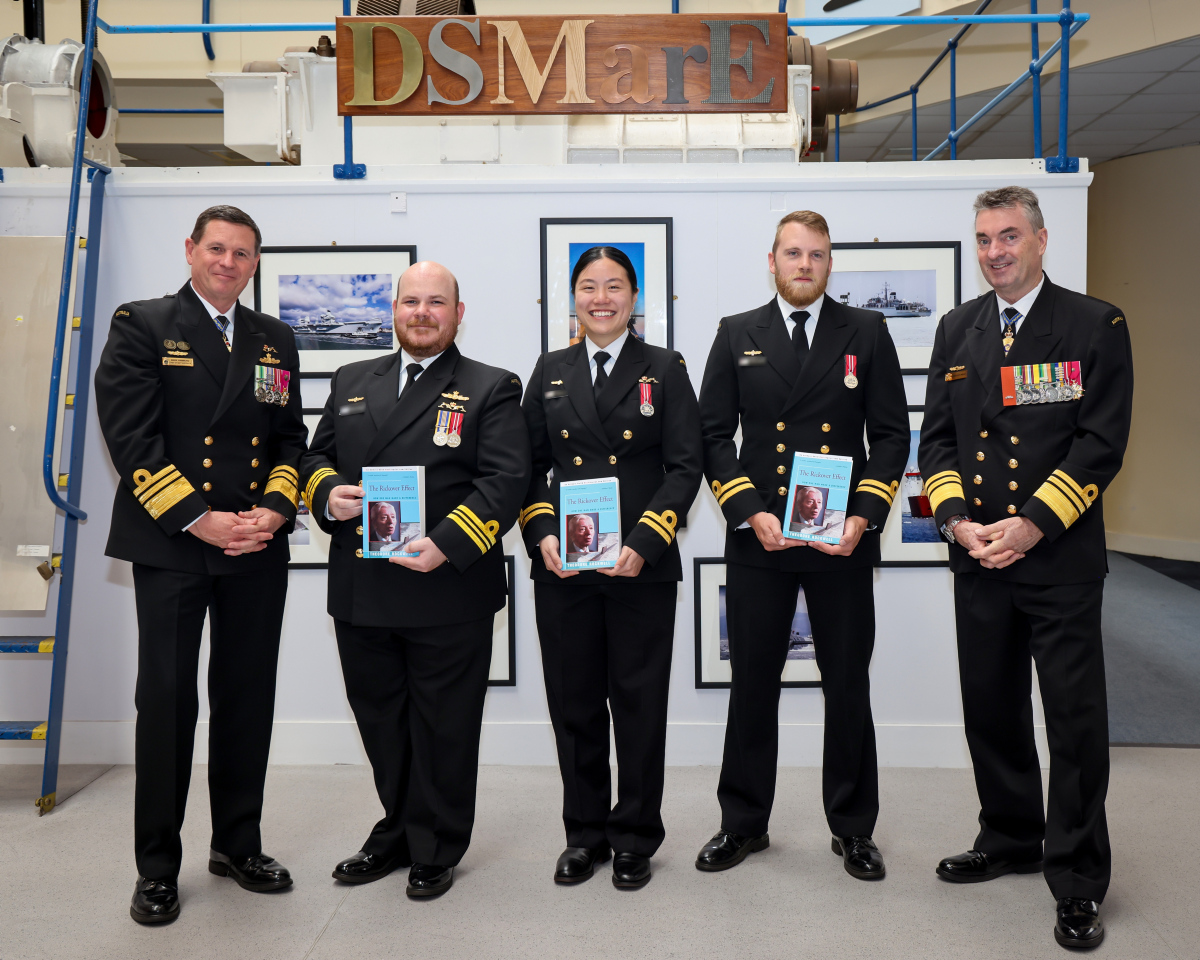
More than 230 Royal Australian Navy personnel are currently progressing through the United States Navy’s nuclear-powered submarine training pipeline, while a further 260 Australians continue to gain hands-on experience across partner nation organisations as Australia builds the workforce needed to operate and sustain its future capability.
Growing Australian industry capability
Australian industry is fundamental to delivering the AUKUS Optimal Pathway. From supplying materials and components to delivering sustainment and maintenance activities, Australian businesses are helping build the sovereign industrial capability, and the resilient supply chains needed to support Australia’s future nuclear-powered submarine program. As industry participation continues to grow, Australian companies play an increasingly critical role in delivering one of the most significant capability undertakings in the nation’s history.
The release of Australia’s AUKUS Submarine Industry Strategy in 2025 provided a clearer pathway for businesses seeking to participate in the submarine enterprise and integrate into United Kingdom and United States submarine supply chains. The Strategy also established the Industry Front Door, providing businesses with a central access point for grants and funding opportunities, supplier qualification programs, industry engagement activities and support services across the AUKUS submarine enterprise.
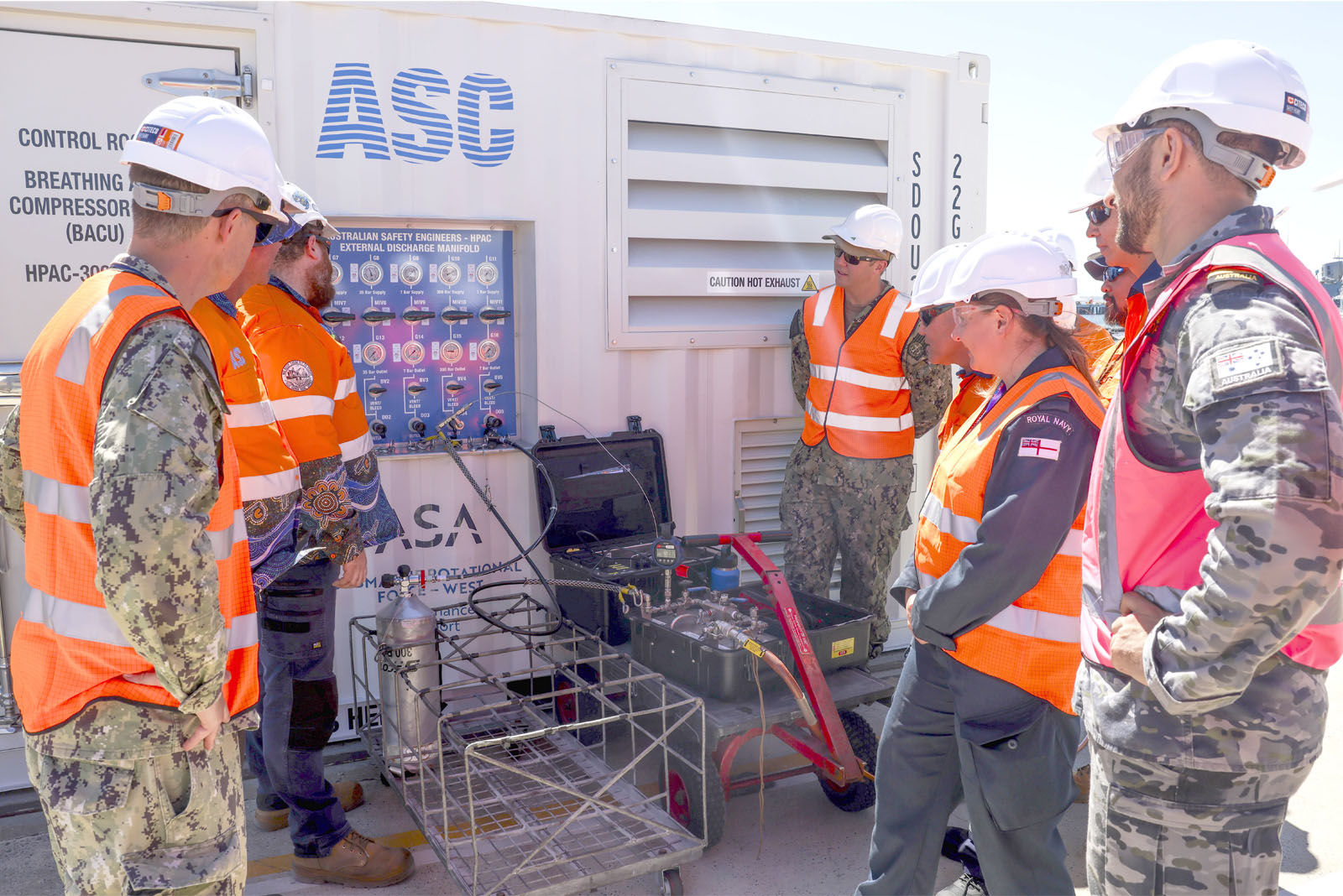
Programs such as the Australian Submarine Supplier Qualification(Opens in a new tab/window) (AUSSQ) and Defence Industry Vendor Qualification (DIVQ) are helping Australian companies develop the systems, processes and capabilities needed to qualify as suppliers and compete for opportunities across the trilateral submarine enterprise. These initiatives are already delivering tangible outcomes, with a DIVQ-qualified Australian company announced as a supplier of submarine-grade steel that will be used in the construction of United States Navy Virginia-class submarines for the first time.
A dedicated funding stream under the Defence Industry Development Grants program is helping Australian businesses invest in the equipment, facilities and capabilities needed to support domestic and international nuclear-powered submarine supply chains. Enabled by the AUKUS Licence Free Environment, Technical Data Sharing Industry Days are giving Australian businesses unprecedented access to technical data, helping them better understand the requirements for participation in AUKUS submarine supply chains.
Australian companies are also contributing directly to submarine sustainment and maintenance activities, including the Submarine Maintenance Periods (SMP) conducted at HMAS Stirling. These activities provide valuable hands-on experience and are helping Australian industry build the expertise required to support Australia’s future nuclear-powered submarine capability.
Demonstrating progress through Submarine Maintenance Periods
One of the clearest demonstrations of AUKUS progress has been the delivery of increasingly complex submarine maintenance activities at HMAS Stirling.
Since the announcement of the Optimal Pathway, Australia has hosted multiple visits by United States and United Kingdom nuclear-powered submarines, providing valuable opportunities for Australian personnel, industry and infrastructure to gain practical experience supporting submarine operations and sustainment.
In 2024, Australia successfully completed the first Submarine Tendered Maintenance Period on USS Hawaii, marking a significant milestone in Australia’s journey towards becoming sovereign ready.
This was followed by an SMP on USS Vermont in 2025 and, earlier this year, HMS Anson, which marked the first-ever maintenance activity conducted on a Royal Navy nuclear-powered submarine in Australia.
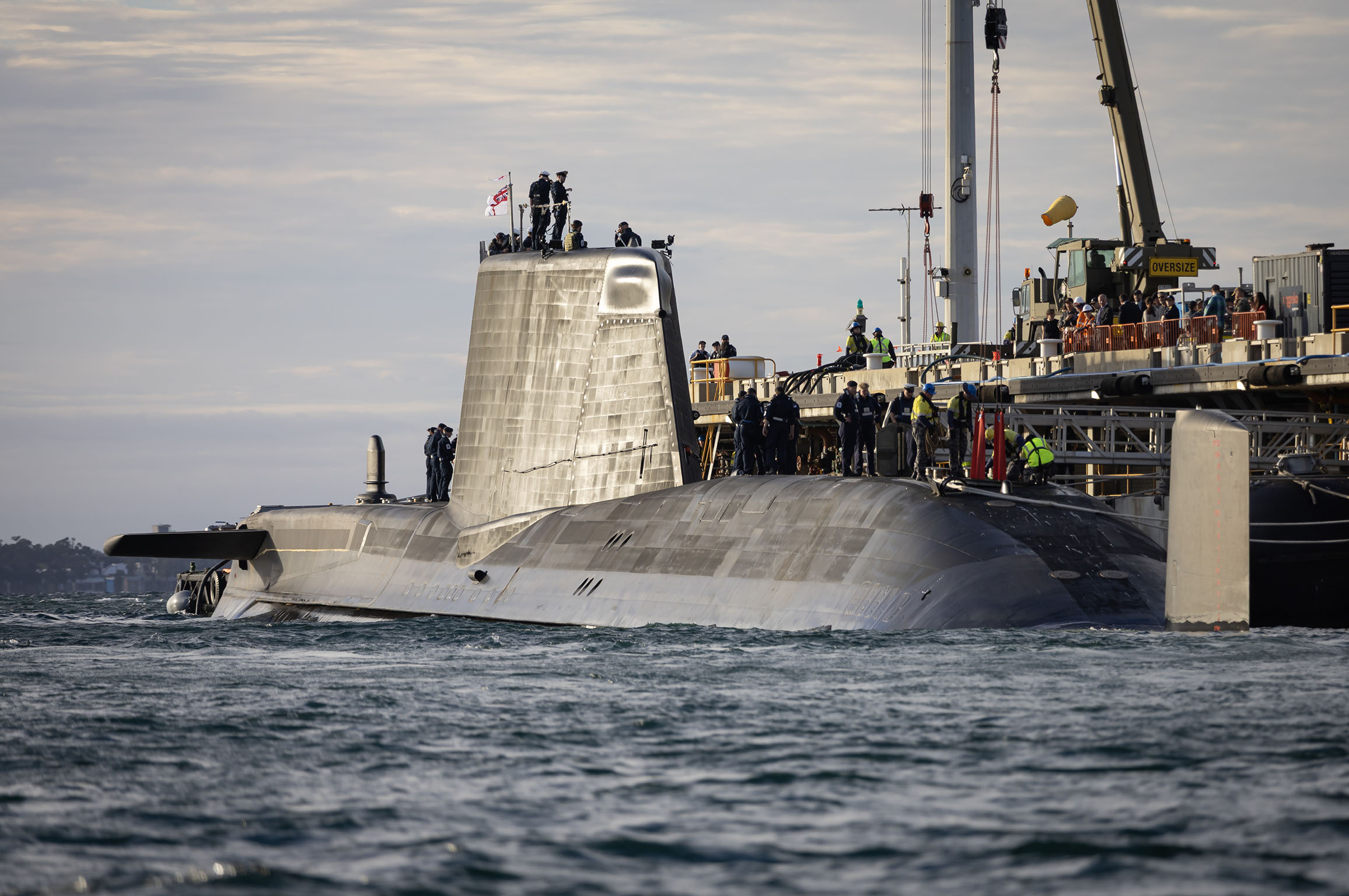
These increasingly complex activities have enabled Australian personnel and industry partners to work alongside their United States and United Kingdom counterparts, developing the skills, systems and sustainment expertise that will be critical to supporting future submarine operations.
Together, these maintenance activities represent a progressive build-up of Australian capability, experience and confidence as the nation prepares to support Submarine Rotational Force-West and, ultimately, its own nuclear-powered submarine fleet.
The experience gained through these maintenance periods is helping prepare Australia for the commencement of Submarine Rotational Force-West in 2027 and the future operation and sustainment of Australia’s own conventionally armed, nuclear-powered submarines.
‘The success of these maintenance activities demonstrates the progress Australia has made since AUKUS was announced,’ said Vice Admiral Mead.
‘Every visit, every maintenance activity and every training opportunity strengthens Australia’s workforce, industry capability and readiness for future milestones under the Optimal Pathway.’
Five years after AUKUS was announced, the partnership has progressed from planning to delivery. Across workforce development, industry participation, infrastructure investment and submarine sustainment, the foundations of Australia’s future conventionally armed, nuclear-powered submarine capability are now taking shape.
Over the horizon
The next major AUKUS milestone will be the commencement of Submarine Rotational Force-West (SRF-West) in 2027, which will see a rotational presence of United States and United Kingdom nuclear-powered submarines operating from HMAS Stirling.
Supported by continued workforce growth, industry participation and infrastructure investment, SRF-West will further accelerate Australia’s preparation to safely and securely operate and sustain its own conventionally armed, nuclear-powered submarines.
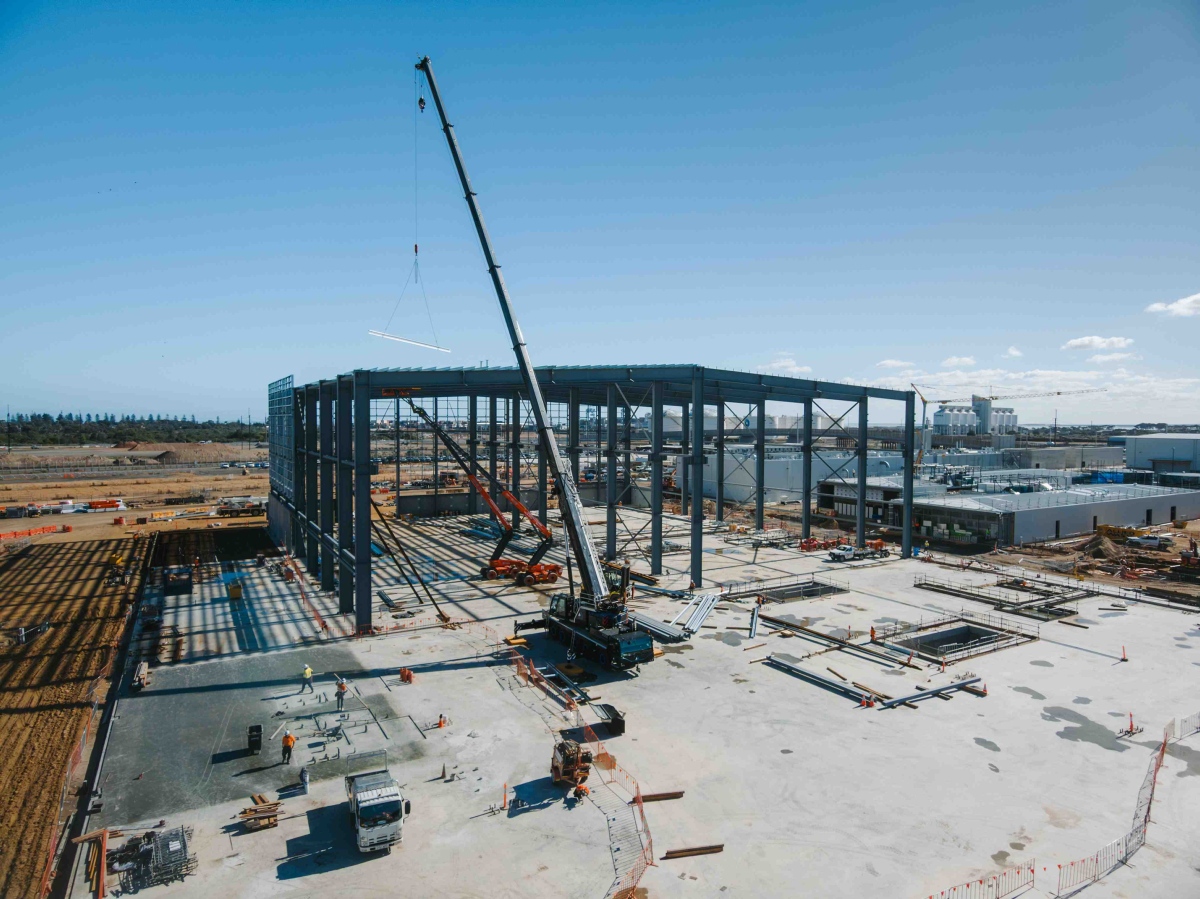
Major infrastructure projects are also transforming both Western Australia and South Australia. At HMAS Stirling, significant investment is preparing Australia to support future submarine operations and sustainment activities.
In nearby Henderson, the future Defence Precinct will support(Opens in a new tab/window) continuous naval shipbuilding, contingency docking and depot-level maintenance for Australia’s future nuclear-powered submarines, creating a critical sustainment hub for the nation’s submarine enterprise.
In South Australia, work continues on the Nuclear-Powered Submarine Construction Yard at Osborne, where Australia’s future SSN-AUKUS submarines will be built, creating thousands of jobs and establishing a sovereign submarine construction capability.
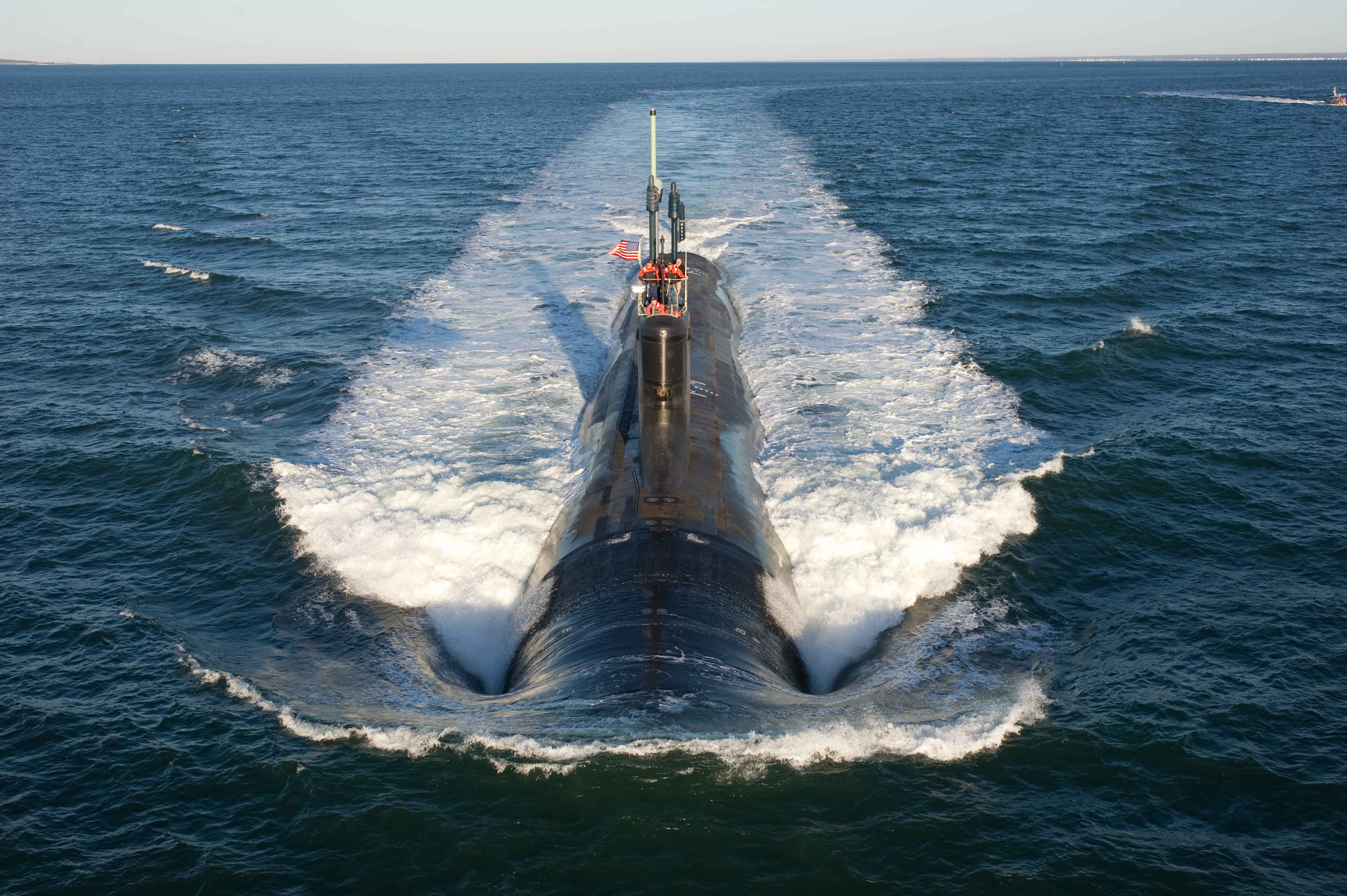
The Australian Submarine Agency, which recently marked three years of operation , continues to work with Defence, industry, academia and international partners to support delivery of Australia’s conventionally armed, nuclear-powered submarine program.
‘Five years after the announcement of AUKUS, Australia is delivering real progress across workforce development, infrastructure, industry participation and international collaboration,’ said Vice Admiral Mead.
‘The foundations of a sovereign conventionally armed, nuclear-powered submarine capability are being built today through the efforts of thousands of Australians working across government, Defence, industry and academia.’
‘The momentum established since 2021 has positioned Australia for the next phase of delivery. Together with our AUKUS partners, we are building an enduring national capability that will strengthen Australia’s security and prosperity for generations to come.’
Looking ahead across AUKUS
Alongside progress on Australia’s conventionally armed, nuclear-powered submarine program, AUKUS partners are accelerating the development and delivery of advanced military capabilities.
Through AUKUS Pillar II, Australia, the United Kingdom and the United States are leveraging cutting-edge technologies in quantum, advanced cyber, electronic warfare, undersea warfare, autonomy and artificial intelligence, and hypersonic and counter-hypersonic capabilities. Collectively, the capabilities developed under Pillar II will make our militaries better able to operate together.
Together with the conventionally armed, nuclear-powered submarines being delivered under AUKUS Pillar I, these advanced capabilities will strengthen our ability to deter potential adversaries and hold their forces at risk from greater distances.
AUKUS Pillar II is managed by the Department of Defence. Learn more about AUKUS Pillar II and recent capability milestones(Opens in a new tab/window) .