Some experiences are a lasting gift that stay with you forever – and this was one of them.
I had the utmost privilege of representing the working people of Aotearoa at the International Trade Union School Austria (ITUSA) 2026. ITUSA is a ten-day intensive training programme for young unionists co-run by the International Trade Union Confederation (ITUC) and the Österreichischer Gewerkschaftsbund (ÖGB), the Austrian equivalent of the New Zealand Council of Trade Unions Te Kauae Kaimahi. Bringing together unionists from across the globe, ITUSA is designed to nurture and develop emerging labour leaders through a jam-packed programme of organising, campaigning and leadership development.
ITUSA was not only intensive in learning – it was also intensive in joy and solidarity. I came home with a renewed perspective of my own role in the movement and a greater appreciation for the work ahead.
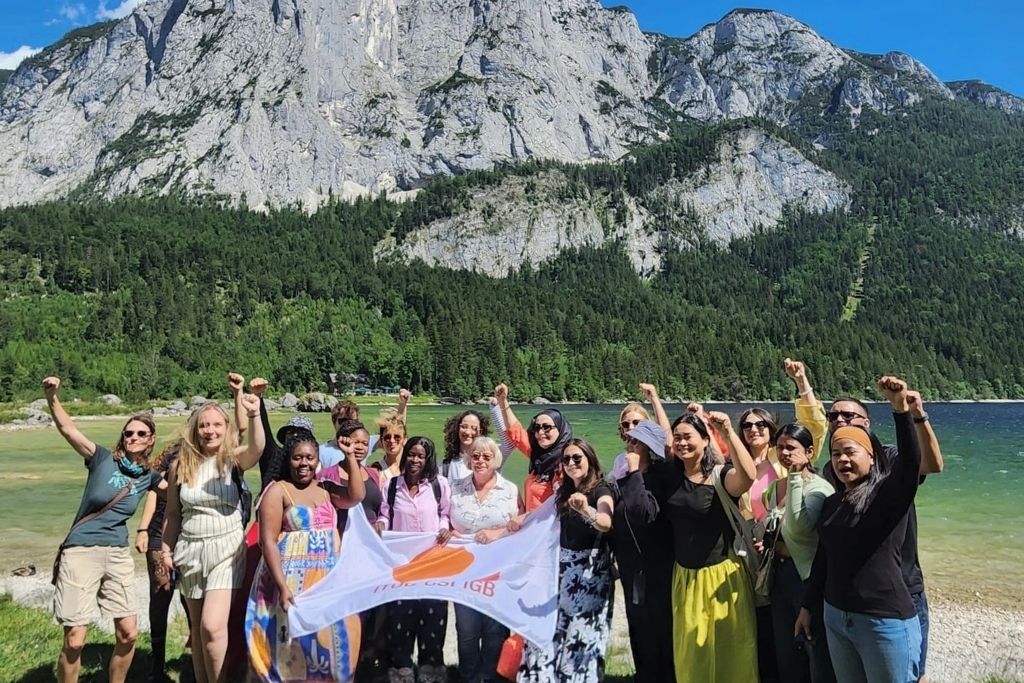
I am in-house counsel for E tū, New Zealand’s largest private sector union. It would be easy to view a lawyer’s work as separate from organising. Surely lawyers belong in courtrooms, not at an organising and campaigning school? I beg to differ.
To be an effective union lawyer, you need to understand the fundamentals of organising. Organising is at the heart of the work. While I spend much of my time representing workers in the Employment Relations Authority and the courts, legal advocacy is only one part of the equation. The role of a union lawyer is not simply to win cases, but to help build worker power.
One of the concepts that resonated most strongly with me at ITUSA was the “ground and air” approach to organising. The “ground” is the organising work: the one-on-one conversations, workplace activism, delegate development and member engagement that build collective power. The “air” is the leverage: strategic litigation, political advocacy, public campaigning and community alliances that place pressure on decision-makers. Both are essential. Neither is enough on its own. The most successful campaigns are those that connect the two.
As a union lawyer, I naturally spend much of my time working in the “air” – involved in litigation and disputes which hopefully have implications far beyond just one workplace. ITUSA reinforced an important lesson: I always need to have my feet on the ground. Strategic litigation is most powerful when it strengthens organising. A legal victory on its own rarely changes the balance of power. Lasting change happens when litigation creates opportunities for collective action and supports broader campaigns for justice.
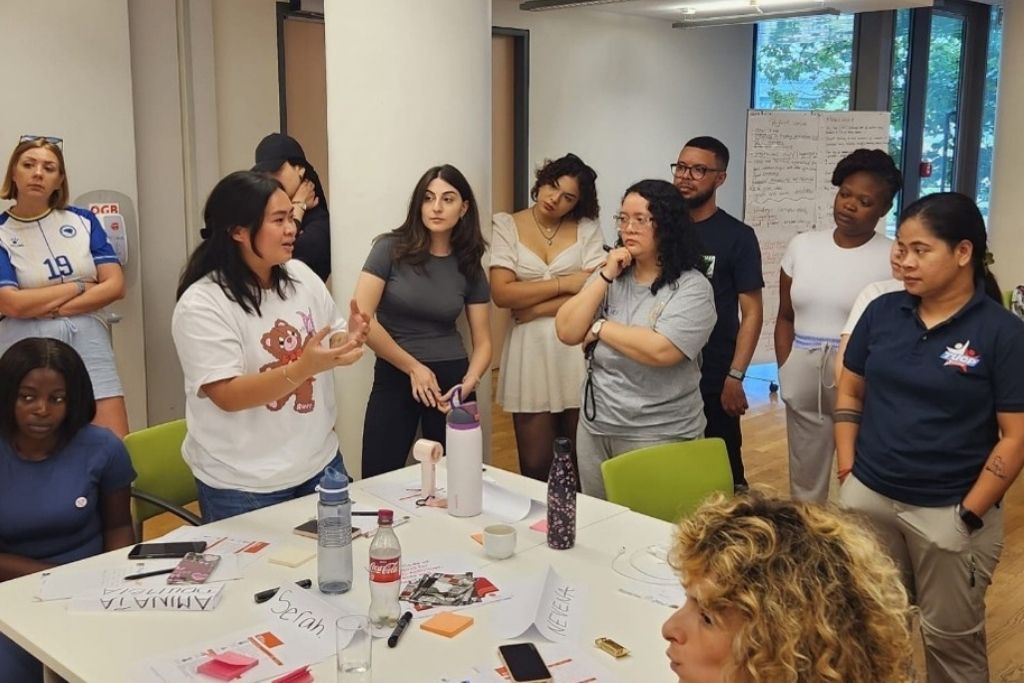
The landmark Kristine Bartlett pay equity case, which was led by E tū, is a powerful example of this in action. The case became part of a wider movement that exposed the systemic undervaluation of women’s work and helped unlock pay equity claims across New Zealand. The case demonstrated how strategic litigation, when combined with organising effective campaigning and sustained pressure can deliver life changing wins for thousands of workers. I was immensely proud to hear the Kristine Bartlett case discussed at ITUSA as an example of how unions can use every tool available to build the power of working people.
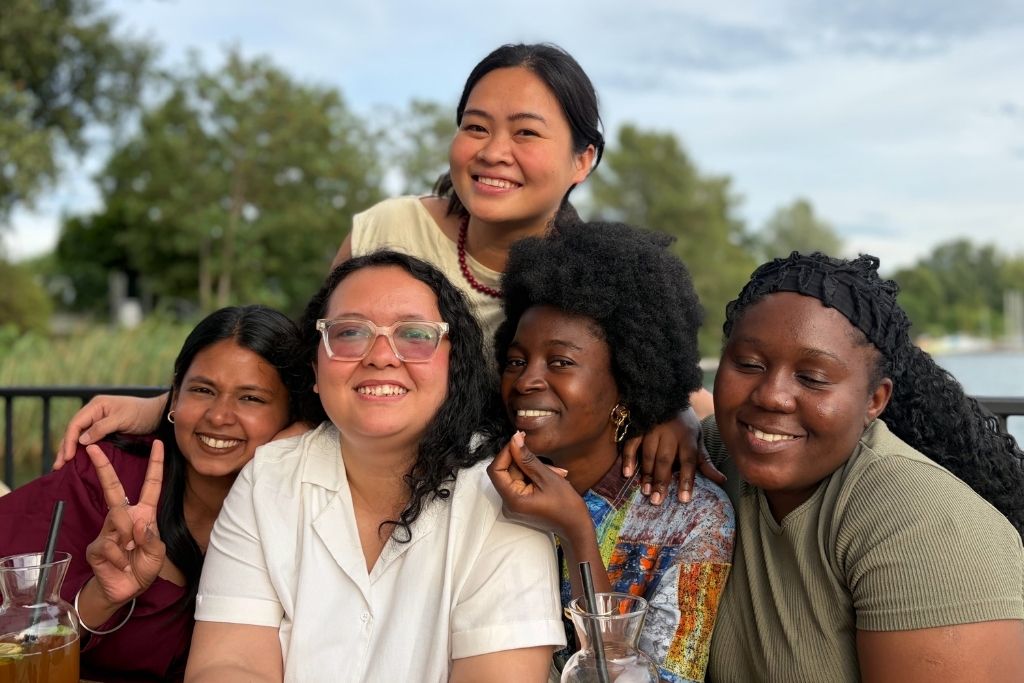
I was also pleased to connect with fellow union lawyers, Shivalika from India and Mabe from Ecuador (pictured below). We found ourselves returning to many of the same conversations about repressive governments and how much we need more union lawyers. Different jurisdictions but many of the same struggles – and the same determination to win them.
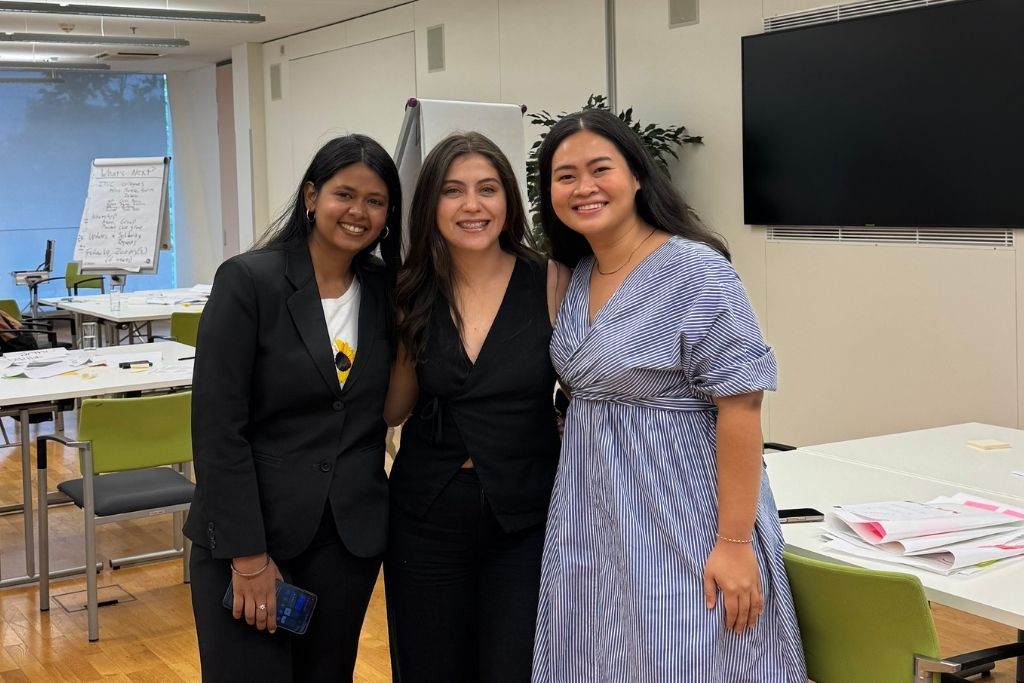
Sharing the wins and tackling the challenges
One of the most powerful aspects of ITUSA was spending time with and learning from other young trade unionists from Africa, Asia-Pacific, Europe and Latin America (I felt SEEN – if you know, you know!).
We discussed the stark pattern of declining union density, attacks on collective bargaining, the growth of extreme concentrations of wealth (aka the rise of the megarich and mega greedy), and the rise of right-wing political movements seeking to weaken unions and erode workers’ rights. Across continents, we were all grappling with the same questions: How do we rebuild worker power in a world where economic power is increasingly concentrated? How do we organise in hostile environments? How do we engage the next generation of workers?
Those conversations reinforced the importance of international solidarity. Employers increasingly operate globally. Anti-union strategies are shared, learned and replicated internationally. Capitalism knows no bounds!
As part of fighting back, we need to learn from each other’s struggles, share what works, and support one another when workers are under attack. That is why it is important to build solidarity with trade unionists around the world and strengthen our collective capacity to meet global challenges.
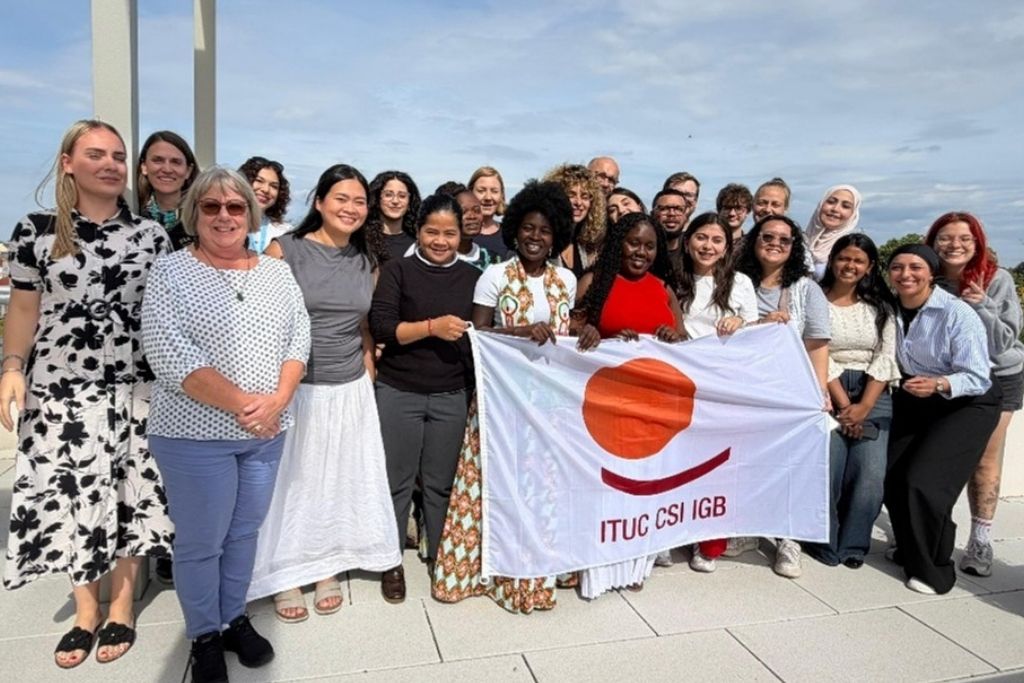
Austria felt like a fitting place to have these conversations because it is a good example of what organised labour can achieve when workers have strong institutions behind them – and vice versa. Almost all Austrian workers are covered by collective agreements (98% – its giving dreamland territory for a trade unionist). Every worker is also a member of and contributes a small levy to the Austrian Chamber of Labour (Arbeiterkammer). Alongside the Austrian Trade Union Federation (ÖGB), the chamber provides workers with a collective voice and helps ensure that workers’ interests remain central to political decision-making. And a huge bonus of having the course in Austria was we were spoilt with views like this:

For a trade unionist in New Zealand, it felt a little like stepping into an alternative reality and asking, “What if we had gone in a different direction?” Before the Employment Contracts Act 1991, sector-wide bargaining was a defining feature of employment relations in Aotearoa. The shift towards a highly individualised employment relations system fundamentally altered the balance of power between workers and employers and accelerated the decline in collective bargaining coverage that continues today.
Being in Austria (apart from the fact that it is one of the most Instagram worthy places I have ever seen) was an opportunity to learn from another country’s labour movement. It was a reminder about what happens when we don’t protect gains we have won – and the alternative if we do. The institutions and protections that we enjoy are the product of political choices, collective struggle and sustained organising. Just as they can be built, they can also be dismantled.
We are seeing the erosion of workers’ rights play out in Aotearoa in real time. The repeal of the pay equity framework without consultation, the reintroduction of 90-day trial periods, and a range of employment law changes that weaken accountability mechanisms all point in the same direction. Proposed reforms to the Holidays Act and the Health and Safety Act continue to signal a broader shift towards deregulation and the transfer of power away from working people. Rights that take decades to win can be undermined in a matter of months if we fail to defend them.
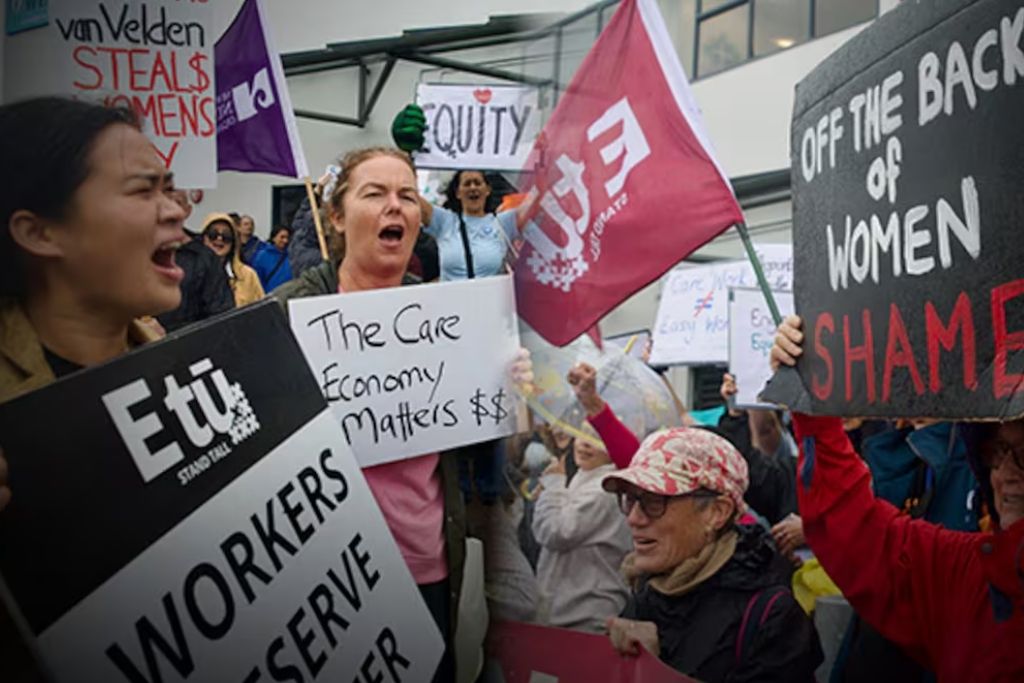
Credit: NZHerald
For me, that commitment to international solidarity is deeply personal.
I was born in the Philippines and migrated to Aotearoa with my family. Through my ongoing involvement with organisations such as Migrante Aotearoa and Gabriela Aotearoa, I remain closely connected to labour and human rights struggles in the Philippines. Being a trade unionist there is vastly different from being a trade unionist here. Trade unionists in my motherland are frequently subjected to “red-tagging” – branded as terrorists or enemies of the state simply because they organise workers or advocate for social change. Union organisers face surveillance, harassment and intimidation. Trade unionists have been abducted, and many have been killed.
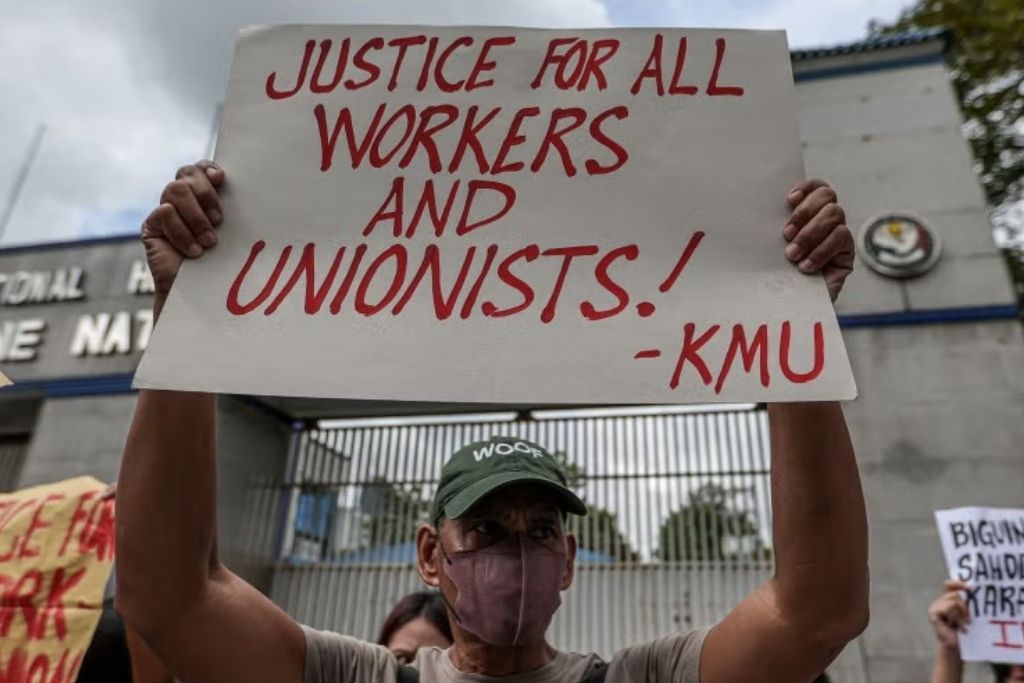
Credit: Jire Carreon
That reality is a constant reminder that the rights and freedoms we exercise as trade unionists in Aotearoa cannot be taken for granted. If others are willing to risk their safety, liberty and even their lives to defend workers’ rights, those of us who have the privilege of organising in relative safety have an obligation to be bold, courageous and unapologetic in our advocacy for working people.
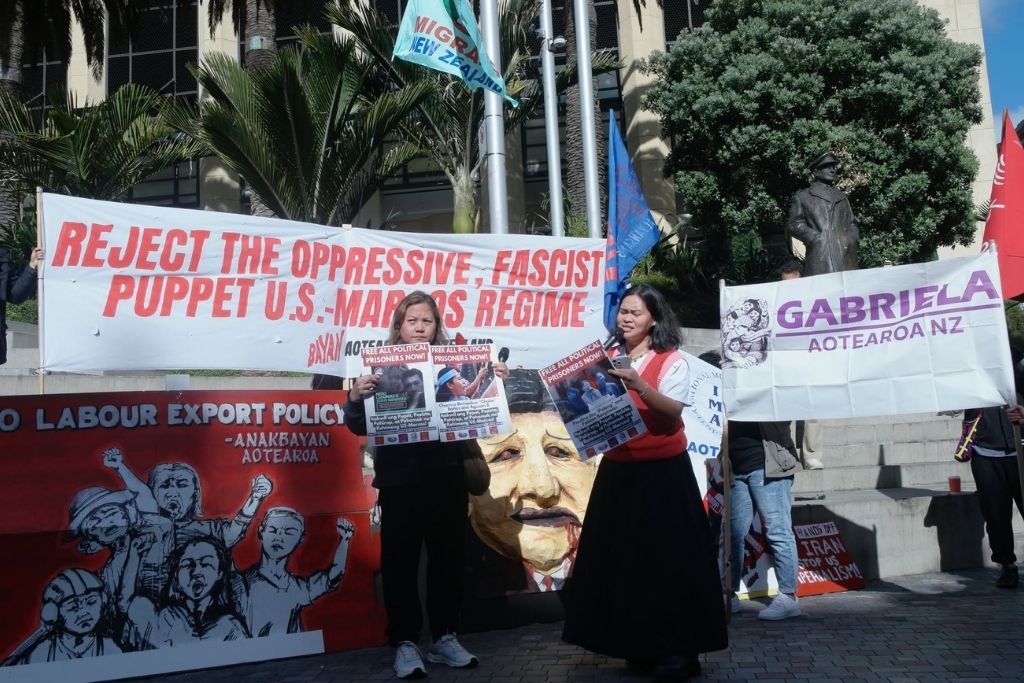
A Visit to the Steel Mill
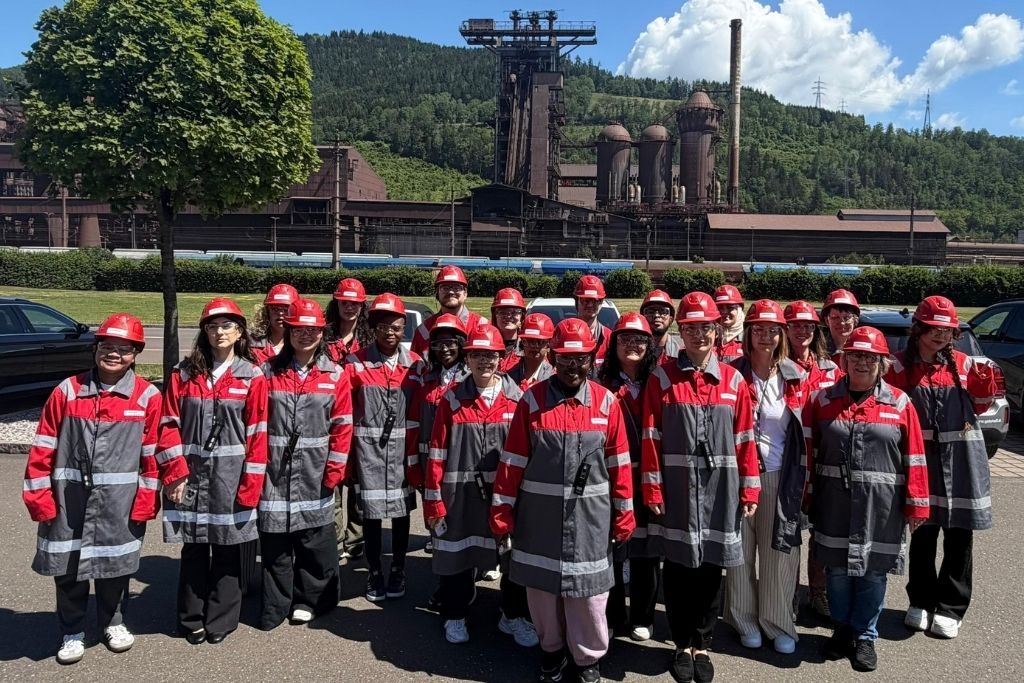
Picking my favourite part of ITUSA is a bit like being asked to choose my favourite cat (virtually impossible). But near the top of the list would be our visit to Voestalpine Donawitz Steelworks, one of Europe’s largest rail-steel production sites.
This was particularly exciting for me as someone who represents steel workers. E tū is the product of several union amalgamations, including the Engineers, Printers and Manufacturing Union. New Zealand Steel is one of our key legacy sites and continues to be a workplace where E tū members build collective strength every day.
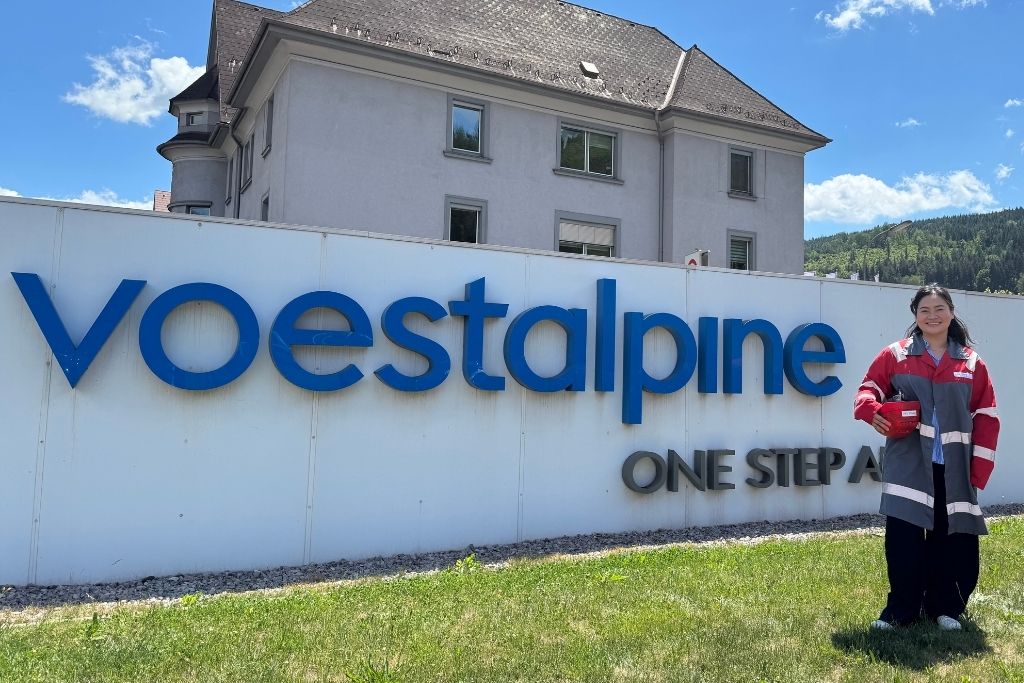
I suspect some of our hosts were slightly surprised by my enthusiasm (and perhaps my unexpectedly detailed knowledge) of electric arc furnaces and the steelmaking process. There is something deeply satisfying about finding an audience for such niche knowledge!
What stood out most was the strength of the workplace culture and the role the union played in it. During our visit, the Works Council invited us to attend their family day. It was a wonderful example of how unions can foster not only workplace power, but also a sense of community and belonging through connections that bring workers and their families together.
Young Workers and the Future of the Movement
ITUSA put a huge emphasis on the importance of investing in young workers and bringing more young people into the union movement.
Young workers today are confronting insecure work, soaring living costs and growing housing pressures. Many are entering a labour market increasingly shaped by contractualisation, the gig economy and other precarious forms of work. Yet despite these challenges, many young people begin working with little understanding of their employment rights and even less understanding of unions, what they do, and the victories they have won for working people.
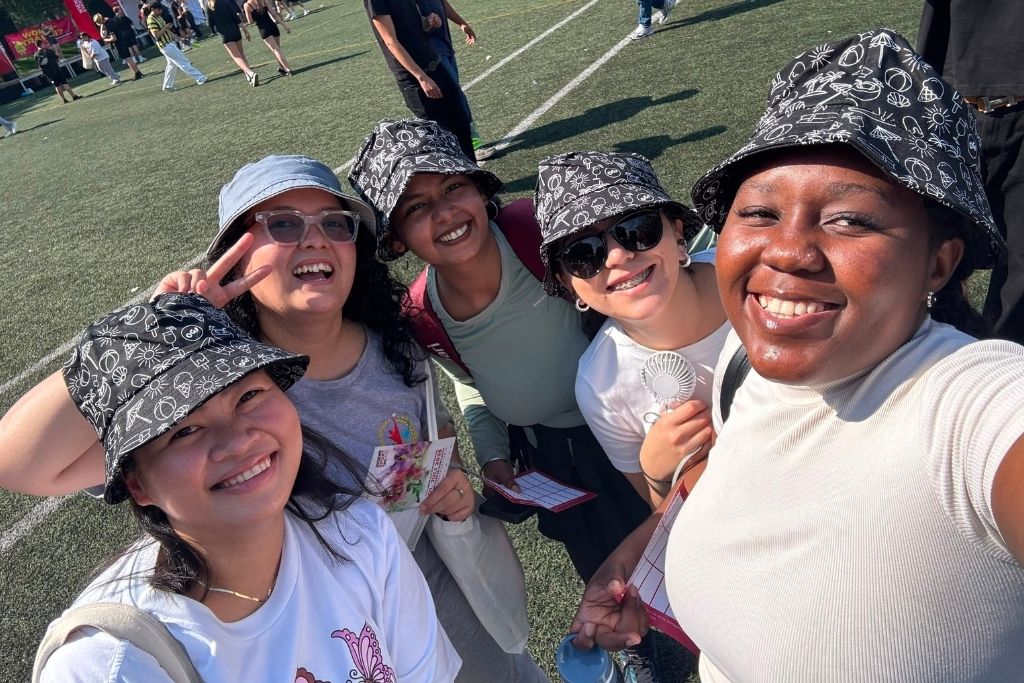
One of the most inspiring examples of youth engagement we saw was the Jugendsporttage (Youth Sports Day), organised by the Austrian trade union youth. Nearly 2,000 young people attended. It was a space where young people could connect, have fun and engage with unions in a way that felt welcoming and accessible.
Young workers need opportunities to learn about their rights, hear stories of collective victories and understand that unions are not simply organisations you join when something goes wrong. They are communities through which workers come together to build power, solidarity and a better future. A union is not a service that is delivered to workers; it is something workers create together.
Unions aren’t known to a lot of young people – I know this because I was once one of those young workers.
At my first job as a waitress, my employer banned conversations about pay and this was included in my contract. The idea of negotiating wages felt intimidating, so I never tried. At that time, just like many young workers, I understood workplace problems as individual challenges to navigate rather than collective issues that could be changed through organising.
That mindset is still common among many in my generation (GenZ). If a workplace is toxic, underpaid or poorly managed, the usual advice is often to leave and find another job. The concepts of ‘quiet quitting’ and ‘job-hopping’ are often presented as the solution. While moving on may sometimes be necessary, it rarely addresses the underlying problem. It simply leaves those conditions in place for the next worker who walks through the door.
Organising offers a different answer. Instead of asking how one worker can escape a toxic workplace, it asks how workers can come together to improve it. Collective action tackles the causes of injustice rather than simply helping individuals navigate around them. That is why re-engaging young workers in the union movement is so important.
But engagement is only part of the challenge. We also need to get better at telling our story.
Almost every workplace right we take for granted today exists because workers organised and fought for it. Weekends. Annual leave. Sick leave. Parental leave. Health and safety protections. None of these rights were gifted. They were won.
If we want the next generation to defend workers’ rights, they first need to understand where those rights came from and what can be lost when we fail to protect them. The future of the labour movement will be secured by investing in young workers, developing young leaders, and ensuring that a new generation sees itself not only as the beneficiary of past union struggles, but as the author of the ones still to come.

Looking ahead
ITUSA affirmed that whether we are organisers, delegates, campaigners or lawyers, our work has the same purpose: to build worker power. As a union lawyer, that means using the law not as an end in itself, but as one tool among many to help working people organise, campaign and win. Knowing what trade unionists in other parts of the world sacrifice in pursuit of that goal leaves me with a profound sense of responsibility.
ITUSA also reminded me of the importance of collective joy. In a movement often defined by struggle, joy is part of our resistance. It sustains us through difficult times and reminds us that we are fighting not only against injustice, but for a better, freer and more joyful world. I will look back fondly on the conversations over meals, our spontaneous renditions of Solidarity Forever on trains and in restaurants, and the friendships formed with trade unionists from all around the world.
The work ahead is significant, but so too is the opportunity before us. I left Austria with a greater appreciation of what it will take to build the movement we need, a renewed commitment to playing my part in it, and the knowledge that we are not undertaking that work alone.
Across the world, workers are organising, fighting back and building power in their own communities. Their struggles inspire ours, just as ours inspire theirs.
Some experiences are a lasting gift that stay with you forever. For me, ITUSA was one of them. Makibaka, huwag matakot! (Take part in the struggle, don’t be afraid!) Ake ake ake!

Nina Santos
Solicitor, E tū
Nina is counsel for E tū, New Zealand’s largest private sector trade union. Nina advises and represents workers in complex matters and regularly appears in mediation, the Employment Relations Authority and the Employment Court. She also leads the union’s legal education programme providing training on industrial relations.
Nina is also an experienced campaigner and advocate for migrant justice and intersectional gender equity. Prior to legal practice Nina worked in communications and campaign management leading advocacy initiatives across the not-for-profit sector. Nina previously served on the Board of the National Council of Women of New Zealand. She has guest lectured at the University of Auckland, spoken at the United Nations and has provided media commentary on gender, migration, and human rights issues.
Nina was a semi-finalist for Young New Zealander of the Year in 2023 and has been featured in Y25 and Asia New Zealand Foundation’s ’25 to watch’ list.