Latest
  • From evidence to action: embedding exercise into cancer care
  • How simple changes to Australia’s skilled migration program could add billions a year to the economy
  • Lung cancer screening programs need to include quit-smoking support
  • Frost Challenge Shaping Australian Wheat Production
  • Officer charged with driving offences – South West Metropolitan Region
  • ‘Lisette’ first step in making Cornell a center for Haitian classical music
  • Locked out, run over and stabbed by a baton: Classical music gets a darkly funny twist at this year’s Australian Festival of Chamber Music
  • Australia’s largest foundations unite to launch the nation’s first Philanthropic Lending Facility for refugee economic participation
  • NOMINATIONS NOW OPEN FOR THE INAUGURAL NEXT UP MUSIC AWARDS
  • New Laws To Better Protect Emergency Services Workers
  • Home
  • National
  • Local
    • ACT
    • QLD
    • NSW
    • NT
    • SA
    • TAS
    • VIC
    • WA
  • Politics
  • Business
  • Science
  • Technology
  • Health
  • Life
    • Sport
    • Travel
    • Education
    • Environment
  • World
SEARCH

From evidence to action: embedding exercise into cancer care

The National Tribune
  • Health
  • 16 Jun 2026 7:03 am AEST Date Time
  • Share
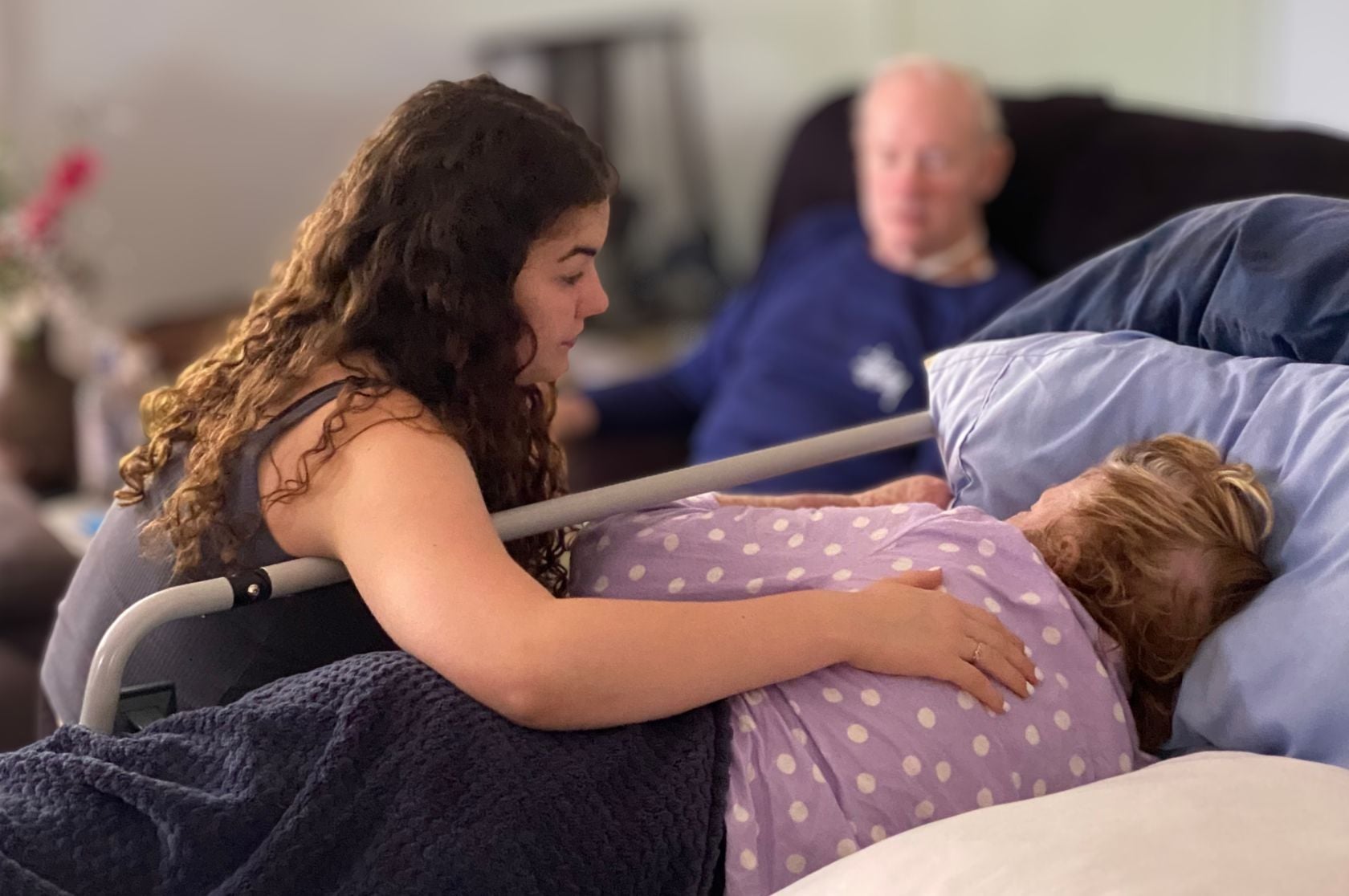
Courtesy of Cancer Council WA

For years, the evidence has been clear: exercise plays a powerful role in cancer care. It can reduce side effects, improve quality of life, and support recovery. But for many patients, exercise programs are still not embedded in the care they receive.

Here in Western Australia, Dr Mary Kennedy and her team focus on not whether exercise works, but how to ensure every cancer patient can actually access it.

This work, led through a collaboration between Edith Cowan University and GenesisCare, sits within the field of implementation science, a branch of research focused on translating evidence into real-world care.

Dr Kennedy and the team from GenesisCare have developed a model within the organisation, designed around patient needs, to connect every patient with appropriate exercise care. Already in place at the majority of centres, work is underway to embed this referral pathway across all care settings.

Since we last spoke with them in 2024, the team have expanded this model to include two more regional GenisisCare sites, which has enabled nearly 800 additional people receiving treatment in the South West and Great Southern regions to now also receive tailored exercise recommendations and referrals.

They shared their learnings and achievements and spoke about how they hope to continue this work into the future.

Building exercise into the care team

Through ongoing collaboration with community members to design and drive this project, the feedback remains clear: people want exercise programs integrated as a standard of care.

“You shouldn’t have to ask,” one community advocate shared. “It should just be part of the care plan.”

Dr Kennedy’s research is helping make exercise a part of standard care by integrating exercise physiologists into cancer care teams. Exercise physiologists are trained clinicians who tailor safe, individualised exercise programs during treatment. Yet, they are still not consistently embedded within standard cancer care teams.

“That’s what’s missing across the board”, Dr Kennedy says. “Exercise physiologists are not necessarily part of most care teams.”

At GenesisCare, integrating exercise physiologists directly into care has allowed clinicians to refer patients through a trusted and structured pathway.

Over the past year, this research has shown the importance of including opt-out rather than opt-in referrals, as well as incorporating dedicated administrative staff to manage these referrals and bookings to reduce oncologist workload and to ensure patients are automatically and seamlessly connected into exercise care.

For Taryn Kelly, the Lead Exercise Physiologist at GenesisCare, this integration is what makes the model work in practice.

When exercise is embedded into the care pathway, it becomes part of treatment rather than an optional extra.” Taryn says.

Reaching regional communities

Even within one organisation, the way of working cannot be one-size-fits-all. As the research has expanded into regional Western Australia, including Albany and Bunbury, feedback from patients highlighted the need for flexible delivery that may look different in different locations and contexts.

“Even within GenesisCare, the way exercise is delivered is very different at different sites, because of the facilities and resources in each location.” Dr Kennedy says.

In regional settings, where access to exercise services is limited, they’ve adapted care through phone-based consultations and referral into local community supports.

Flexibility is key to changing standard care. It’s about getting the essentials right, such as having access to a qualified exercise professional and a structured referral pathway, while adapting delivery to local needs.

Funding and policy change

Designing practical services is only part of the solution. Funding and policy also play a major role in whether new models of care can be expanded and used more widely.

At the moment, funding for exercise physiology is still not available across all health systems. Because of this, services often rely on local funding or short-term research grants, rather than being embedded as standard care.

Without changes to funding, access to exercise support will continue to depend on postcode, provider, or temporary project funding.

That is why the next phase of this work is focused on moving from research into everyday health systems and showing the long-term value of including exercise in standard care.

What comes next

“This is not finished,” Dr Kennedy says.

The goal is no longer simply to show that exercise works in cancer care. It is to build the working parts to make it routine across Western Australia and beyond.

Until that happens, the gap between evidence and practice will remain.

Exercise has incredible value for people going through a cancer treatment and beyond, and everyone should have the chance to access that care.” Dr Kennedy says.

Innovative research projects, such as Dr Kennedy’s, would not be possible without generous community support. Donate to support local cancer research today.

/Public Release. View in full here.
Tags:Albany, Australia, Bunbury, cancer care, cancer council, Cancer Council WA, cancer research, cancer treatment, clinicians, collaboration, community, Cowan, exercise, quality of life, research, treatment, University, Western Australia

You might also like

Growers urged to prepare after Landline spotlights Varroa’s pollination toll

Hope becomes reality for Australians with multiple myeloma

Posties face growing danger as dog incidents reach nine a day

What does being ‘trauma-informed’ actually mean?

Life isn’t easy at the edge of the power grid. Could batteries and microgrids offer a brighter future?

Record number of Northern Territory Childcare Centres now ‘meeting’ or ‘exceeding’ National Quality Standards

From evidence to action: embedding exercise into cancer care

How simple changes to Australia’s skilled migration program could add billions a year to the economy

Just In

16 Jun 2026 8:36 am AEST

Jam-packed Darwin Supercars To Make History Once Again

16 Jun 2026 8:33 am AEST

CommBank backs practical innovation to help small and medium businesses lift productivity and growth

16 Jun 2026 8:24 am AEST

Securing More Fertiliser For Australian Farmers 16 June

16 Jun 2026 8:09 am AEST

Police Assist Dog From House Fire in Blackbutt North, QLD

16 Jun 2026 8:06 am AEST

Growers urged to prepare after Landline spotlights Varroa’s pollination toll

16 Jun 2026 7:45 am AEST

Hope becomes reality for Australians with multiple myeloma

16 Jun 2026 7:39 am AEST

Posties face growing danger as dog incidents reach nine a day

16 Jun 2026 7:15 am AEST

Reading the room: Redesigning intelligence product for the AI age

16 Jun 2026 7:13 am AEST

Missing girl at Stafford Heights, QLD

16 Jun 2026 7:12 am AEST

What does being ‘trauma-informed’ actually mean?

16 Jun 2026 7:06 am AEST

Life isn’t easy at the edge of the power grid. Could batteries and microgrids offer a brighter future?

16 Jun 2026 7:03 am AEST

Record number of Northern Territory Childcare Centres now ‘meeting’ or ‘exceeding’ National Quality Standards

16 Jun 2026 7:03 am AEST

From evidence to action: embedding exercise into cancer care

16 Jun 2026 6:57 am AEST

How simple changes to Australia’s skilled migration program could add billions a year to the economy

16 Jun 2026 6:48 am AEST

Lung cancer screening programs need to include quit-smoking support

16 Jun 2026 6:25 am AEST

Frost Challenge Shaping Australian Wheat Production

16 Jun 2026 6:24 am AEST

Officer charged with driving offences – South West Metropolitan Region

16 Jun 2026 6:12 am AEST

‘Lisette’ first step in making Cornell a center for Haitian classical music

16 Jun 2026 6:07 am AEST

Locked out, run over and stabbed by a baton: Classical music gets a darkly funny twist at this year’s Australian Festival of Chamber Music

16 Jun 2026 6:07 am AEST

Australia’s largest foundations unite to launch the nation’s first Philanthropic Lending Facility for refugee economic participation

16 Jun 2026 6:06 am AEST

NOMINATIONS NOW OPEN FOR THE INAUGURAL NEXT UP MUSIC AWARDS

16 Jun 2026 6:06 am AEST

New Laws To Better Protect Emergency Services Workers

16 Jun 2026 5:51 am AEST

Police Investigate South Melbourne Gym Fire

16 Jun 2026 5:48 am AEST

Security Council Renews Mandate of United Nations Assistance Mission in Afghanistan, Unanimously Adopting Resolution 2822 (2026)

16 Jun 2026 5:21 am AEST

For countries contesting the FIFA World Cup, size doesn’t always mean goals and glory

16 Jun 2026 4:36 am AEST

Appeal to locate teenage boy missing from Matraville

16 Jun 2026 3:33 am AEST

EU261 Reform Misses Mark On Delays And Competitiveness

16 Jun 2026 3:06 am AEST

Police Appeal To Locate Man Missing From Kogarah 16 June
More News
ABOUT US

Based in Toowoomba QLD, The National Tribune provides 24/7 free live coverage of important events and developments in Australia and the Pacific region leveraging real-time open-source intelligence. We endeavor to give the Australian community greater transparency and access to government information and other developments free from encroaching corporate, ideological or any other interests/influences. More

We acknowledge the Traditional Custodians of Country throughout Australia and their continuing connection to land, culture and community.

POPULAR TOPICS

AustraliaGovernmentAustraliancommunityPoliceNSWVictorialocal councilQueenslandUniversitycouncilAusPolministerNew South WalesEnvironmentHealthinfrastructurebusinessNew Zealandinvestigationinvestmentcrime
QUICK LINKS
  • Latest Australia News
  • Latest Toowoomba News
  • Latest Queensland News
  • Latest New Zealand News
  • Latest Police News
  • Latest University News
  • Latest AusPol News
FOLLOW
  • Facebook

© 2026 - The National Tribune Australia

  • About Us
  • Contact Us
  • Terms of Use
  • Privacy Policy
  • Disclaimer