Dave, a retired dockworker, has smoked since his teens. When he develops a persistent cough, he dismisses it as “just a smoker’s cough”.
Author
- Tom Wingfield
Deputy Director of the Centre for Tuberculosis Research, Reader in Tuberculosis and Social Medicine, Liverpool School of Tropical Medicine, Liverpool, UK; and Honorary Research Associate at Karolinska Institutet, Stockholm, Sweden, and, University of Liverpool
Then he loses weight, develops fevers and wakes at night drenched in sweat. After several courses of antibiotics, he continues to deteriorate and is admitted to hospital.
Doctors find emphysema , a smoking-related condition in which damaged air sacs make breathing difficult. A chest X-ray also shows a white patch in his lung, raising concerns about cancer. A sample of sputum, the mucus coughed up from the lungs, is sent for further testing.
Dave dies before the laboratory identifies tuberculosis (TB).
Dave is fictional, but his story shows how easily TB can be missed when its symptoms resemble those of other illnesses. In a 2026 study , colleagues and I found that 574 people in England were diagnosed with TB only after death between 2010 and 2022. That is almost one person every week.
The people who died represented 0.8% of all TB diagnoses, but nearly one in five deaths recorded among people with TB. The data could not establish whether TB caused or contributed to each death.
TB is the world’s leading cause of death
TB is a bacterial infection that usually affects the lungs and spreads through the air. It remains the world’s leading cause of death from a single infectious organism . In 2024, an estimated 10.7 million people developed TB and 1.23 million died. Global progress has recovered from setbacks during the COVID pandemic , but remains too slow.
England cannot eliminate TB without international progress. In 2024, more than four in five people diagnosed in England were born outside the UK. This is sometimes presented simply as a migration issue. It instead reflects global inequalities in prevention, diagnosis and treatment.
TB also affects UK-born people and remains closely associated with poverty . Rates in England’s most deprived areas are more than five times those in its least deprived.
Homelessness, imprisonment, smoking and harmful alcohol or drug use can increase exposure, weaken the body’s defences or make healthcare harder to access . These factors all contribute to active TB disease .
England is close to losing its status as a low-incidence country , defined by the World Health Organization as fewer than ten cases per 100,000 people. Its rate reached 9.4 per 100,000 in 2024 , following the largest annual increase since 1971.
Early diagnosis is vital. Globally, about one in five people who develop TB are not diagnosed, officially reported or treated . Many of these “missed millions” die . In England, the median interval between symptoms beginning and diagnosis of lung TB was 72 days in 2024 .
During that delay , an infectious person may transmit TB while their illness worsens. Delays can also disrupt family and working life and create avoidable, sometimes catastrophic costs for people with TB, their households and health services.
The most extreme delay
A national study examined the most extreme delay: TB confirmed only after death. This meant a sample had been collected while the person was alive, but the result arrived later.
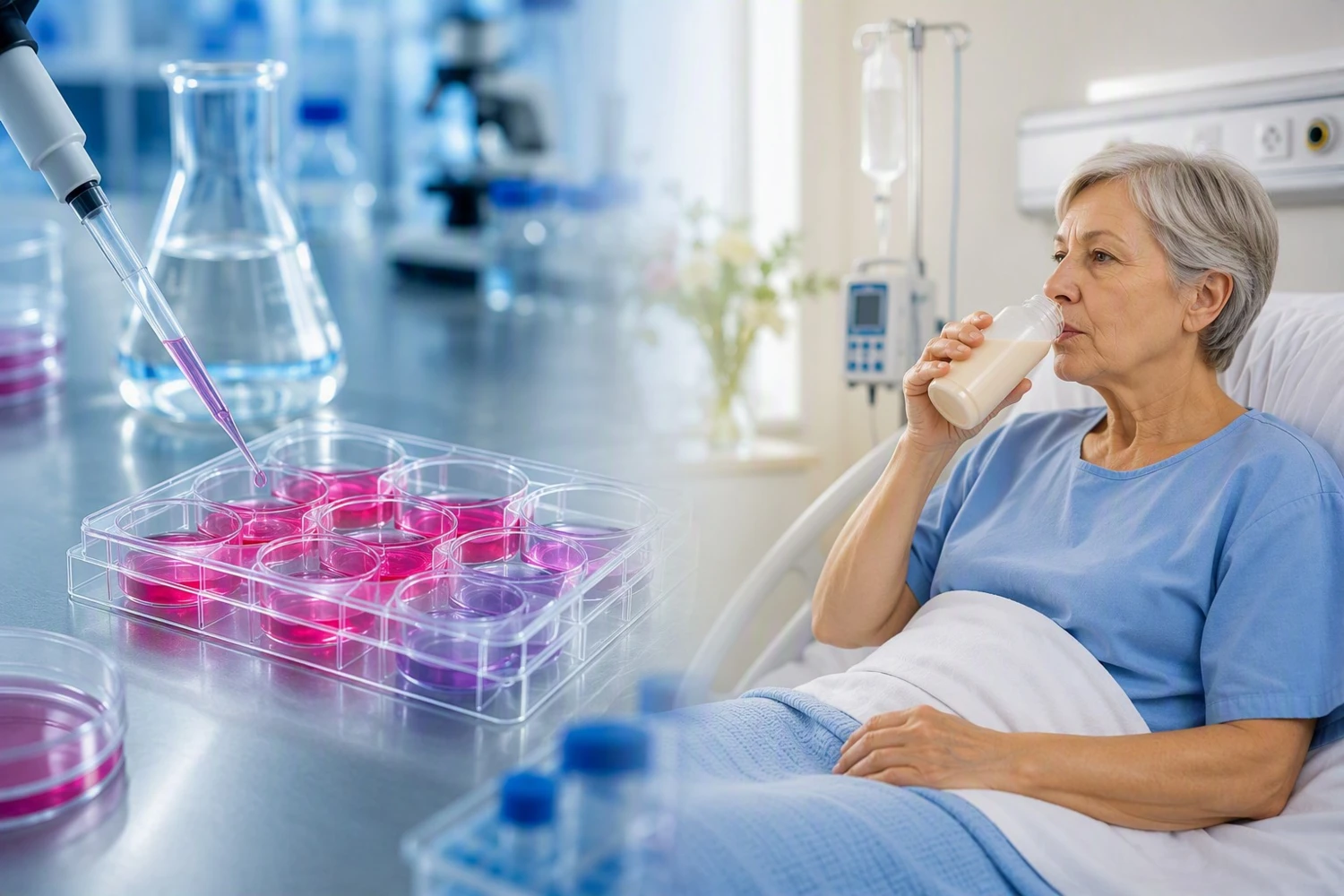
TB bacteria grow slowly, so traditional laboratory cultures can take several weeks. Rapid molecular tests , which detect the bacteria’s genetic material, can sometimes provide results much sooner, but doctors must first suspect TB.
The likelihood of diagnosis after death rose sharply with age. It was also higher among men, UK-born people, people with recorded harmful drug or alcohol use, those with TB outside the lungs and those diagnosed outside London.
Older UK-born people may have encountered TB during childhood, when infection was more common. The immune system can contain the bacteria for decades without symptoms. This is called latent TB infection. It can later become active, particularly when immunity weakens because of age, illness or medicines.
Smoking damages the lungs’ defences and increases TB risk. An older man with a cough and weight loss may therefore be investigated for cancer or chronic lung disease before TB is considered. Previous BCG vaccination – the childhood vaccine that was once routinely offered in the UK to protect against tuberculosis – does not rule it out. The vaccine protects young children against severe disease, but does not reliably prevent TB in adults .
TB outside the lungs can affect the lymph nodes, bones, bowel, kidneys, brain or other organs. Diagnosis may require scans or tissue samples. It is generally much less infectious than lung or throat TB, although people can have both forms.
People outside London were more likely to receive a diagnosis after death. Doctors in London may encounter TB more often and have better access to specialist services. Differences in reporting may also contribute. Our findings probably underestimate the problem because some people may die without being tested.
A diagnosis made only after death should be treated as an important patient-safety warning. TB deaths are not currently defined as a formal NHS “never event” , a term reserved for a small number of wholly preventable incidents. Based on our study findings, we recommend that each post-mortem TB diagnosis should prompt a review of symptoms, tests and referral decisions.
Public awareness also matters. A persistent cough, fever, drenching night sweats or unexplained weight loss deserves medical attention, regardless of age or birthplace. Healthcare professionals must consider TB even when cancer, pneumonia or chronic lung disease initially appears more likely.
Prevention must extend beyond detecting active TB disease. England offers some recent migrants testing for latent TB, but only 17% of those eligible were tested in 2024 . Strategies should also consider historical exposure among older UK-born people.
England can learn from countries with much greater TB burdens . Lessons include reaching people at higher risk of being missed , such as the homeless, the poor and the socially excluded; reducing stigma ; and making services easier to access .
Dave’s fictional laboratory result arrived too late. The next person with an overlooked cough should receive theirs while treatment can still help.