Family First has expressed concern that media coverage of surrogacy continues to celebrate adult desires while giving little attention to the rights and lifelong interests of the child.
National Director and NSW Legislative Council candidate Lyle Shelton said today’s deeply personal story in The Australian about a sister acting as a surrogate for her twin brother and his husband was a moving account of family sacrifice, but it also highlighted a broader ethical question that Australia is increasingly unwilling to ask.
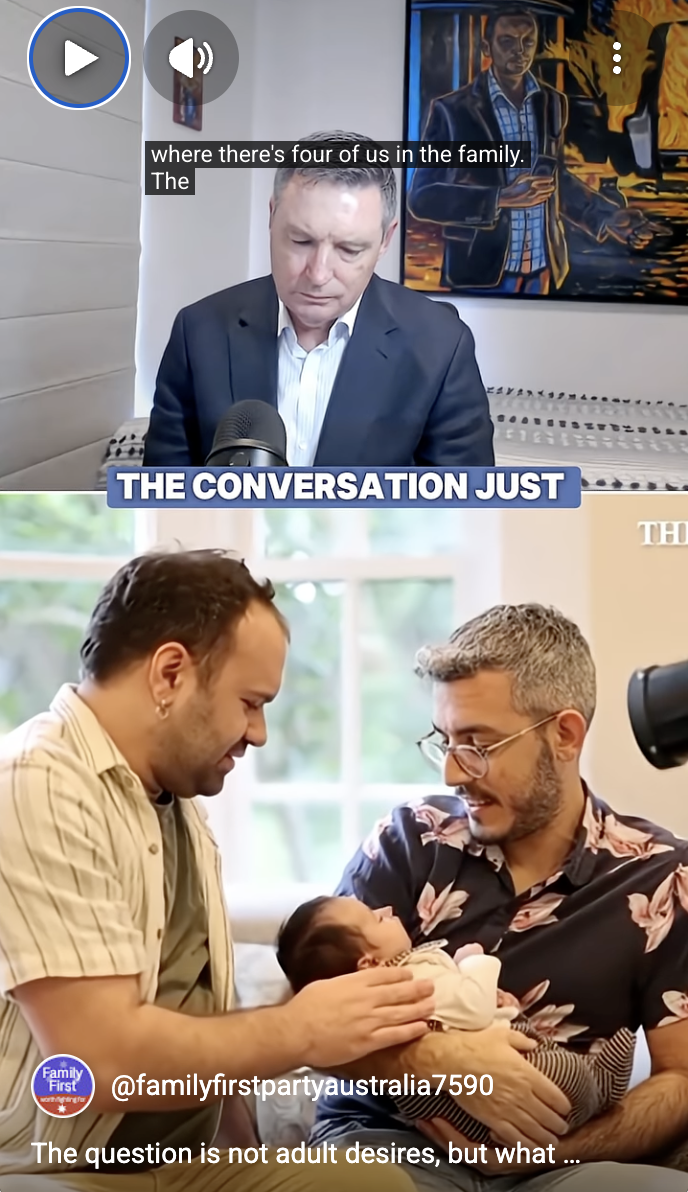
“Our sympathy is with every adult who experiences the pain of infertility or the heartbreak of not being able to have children. That suffering is real and deserves compassion,” Mr Shelton said.
“But public policy must never begin and end with adult wishes. It must first ask what is in the best interests of the child.”
Mr Shelton said Family First would continue to oppose both altruistic and commercial surrogacy because children are not commodities to be commissioned, bought or transferred through legal contracts.
“The media routinely frames surrogacy through the eyes of adults longing for a child. Rarely do we hear the voice of the child who has been intentionally separated from his or her mother from the moment of birth.”
Mr Shelton said Family First believed every child, wherever possible, had the right to know and be raised by both their mother and father.
“Children sadly lose a mother or father through tragedy, illness or abandonment. Society should do everything possible to help those children. But we should never deliberately create that loss because of adult lifestyle choices.”
Mr Shelton said commercial surrogacy remained “the unfinished business of the same-sex marriage campaign”.
“During the marriage debate many of us warned that redefining marriage would inevitably lead to demands for surrogacy and the deliberate creation of motherless or fatherless children. That prediction has proved correct.”
“Family First will continue to advocate for laws that put children’s rights ahead of adult preferences. The first question in every surrogacy debate should not be, ‘What do adults want?’ but ‘What does every child deserve?'”