Photography by Christian Capurro.
The University of Melbourne’s Potter Museum of Art has opened a new exhibition, Ngarn Wa’ngal: Art of the gum tree, bringing together First Nations knowledge, collections, research, and contemporary artistic practice to reconsider the cultural and ecological significance of the iconic tree.
Taking its title from the Woi Wurrung language — Ngarn wa’ngal, meaning “breathing for us” – the exhibition features more than 160 artworks that span First Nations, colonial, twentieth-century and contemporary practice, inviting audiences to enter broader conversations about identity, sovereignty, climate and continuity.
Curated by Alisa Bunbury, Senior Curator of the Grimwade Collection, and Guest Curator Sophie Gerhard, the exhibition draws on works from the University of Melbourne’s collections and major loans from across Australia.
“Ngarn Wa’ngal encourages us to reflect upon the fundamental role of eucalypts in our society and within Australia’s natural and built environments,” Ms Bunbury said.
“Surveying the many ways in which artists have used the gum tree to reflect their own relationships with this most familiar of trees, we see clearly their enduring hold on our emotions, memories, and personal and national identities.
“Through this recognition, it also asks us to accept responsibility for their continuity and survival as we negotiate the escalating climate emergency.”
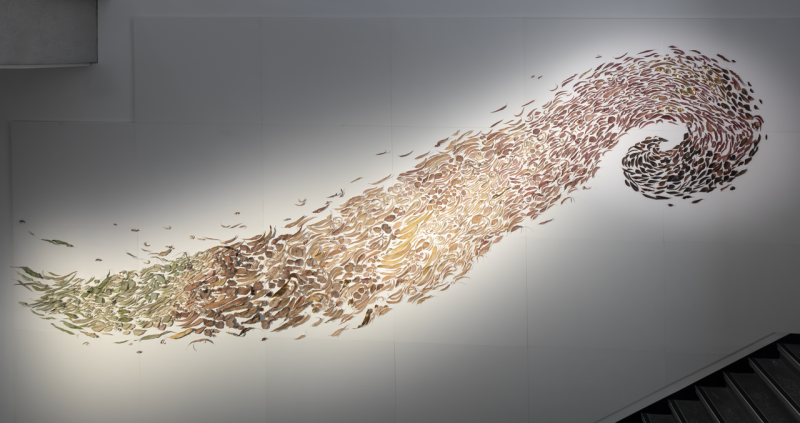
Installation view of Ngarn Wa’ngal: Art of the gum tree, Potter Museum of Art, the University of Melbourne, 2026. Featuring Janet Laurence, An Incantation for a Eucalypt, 2026, courtesy of the artist. Photography by Christian Capurro.
Co-curator Sophie Gerhard, University of Melbourne researcher and current Curator of Australian and First Nations at the National Gallery of Victoria explained the gum tree’s complex role in Australian consciousness.
“For many, it carries the power to unify and celebrates something fundamental about this country. But national iconography across a colonised land is never simple,” Ms Gerhard said.
“This exhibition celebrates the eucalypt while drawing attention to how artists have harnessed it as a symbol of Indigenous sovereignty, colonial conquest and contemporary climate action.
“An exhibition that brings together such diverse artworks, voices and conversations, while holding space for the sheer joy of being among trees, is something really special. It’s been a pleasure to work with the team at the Potter in bringing this exhibition to life.”
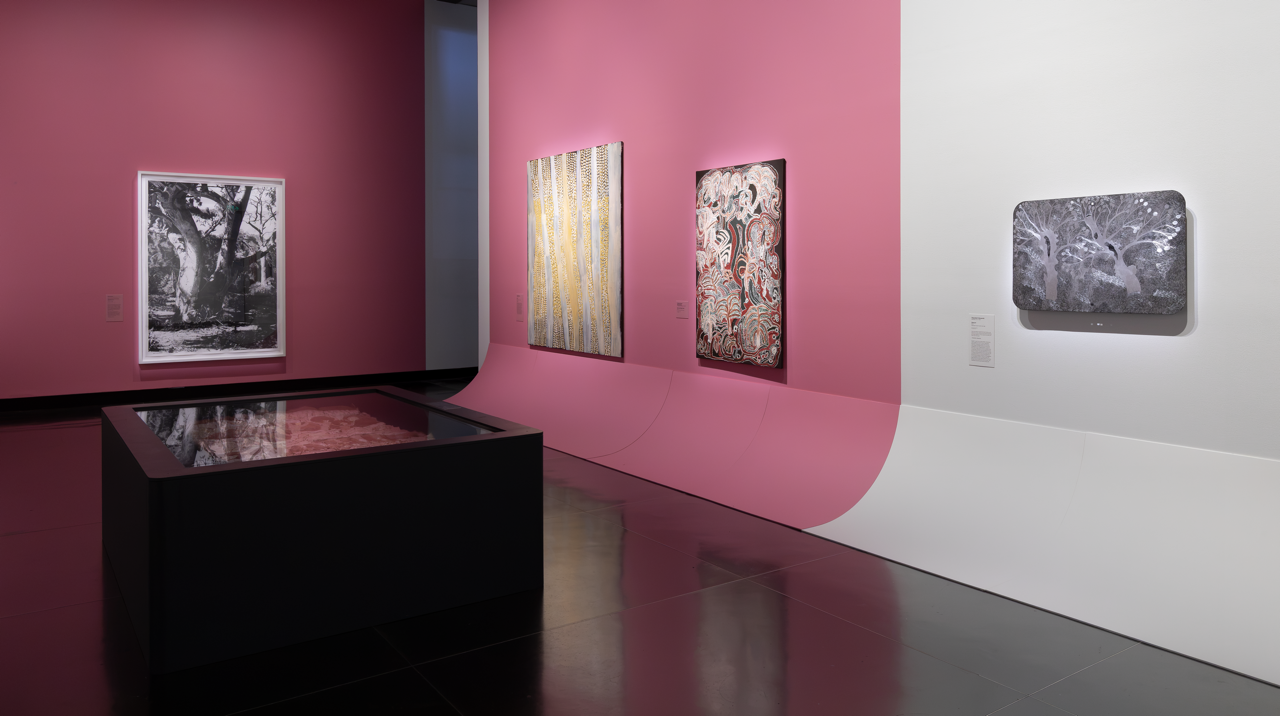
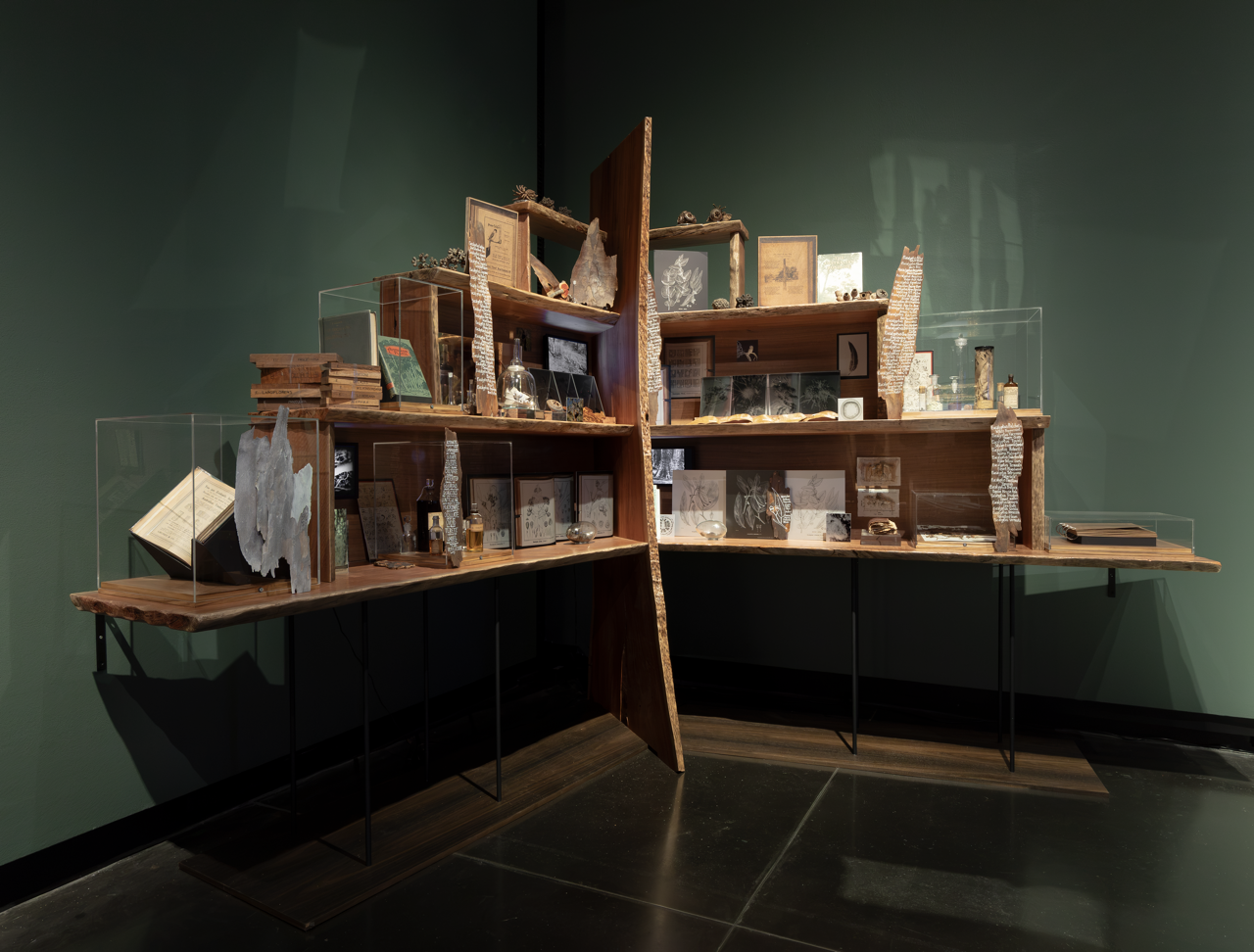
Installation view of Ngarn Wa’ngal: Art of the gum tree, Potter Museum of Art, the University of Melbourne, 2026. Photography by Christian Capurro.
Director of Art Museums Charlotte Day said: “The gum tree is one of the most recognisable and complex symbols in Australian life. This exhibition brings together historical and contemporary perspectives to reveal its many meanings: from deep cultural knowledge and connection to Country, to its role in shaping national identity and our understanding of the environment today.”
An accompanying publication, Ngarn Wa’ngal: Art of the gum tree, is published by The Miegunyah Press. The illustrated book brings together artists, Aboriginal Elders, art historians, ecologists, poets and writers to reflect upon the eucalypt’s role in our social and art history.
Ngarn Wa’ngal: Art of the gum tree is open until 21 November 2026 at the Potter Museum of Art.