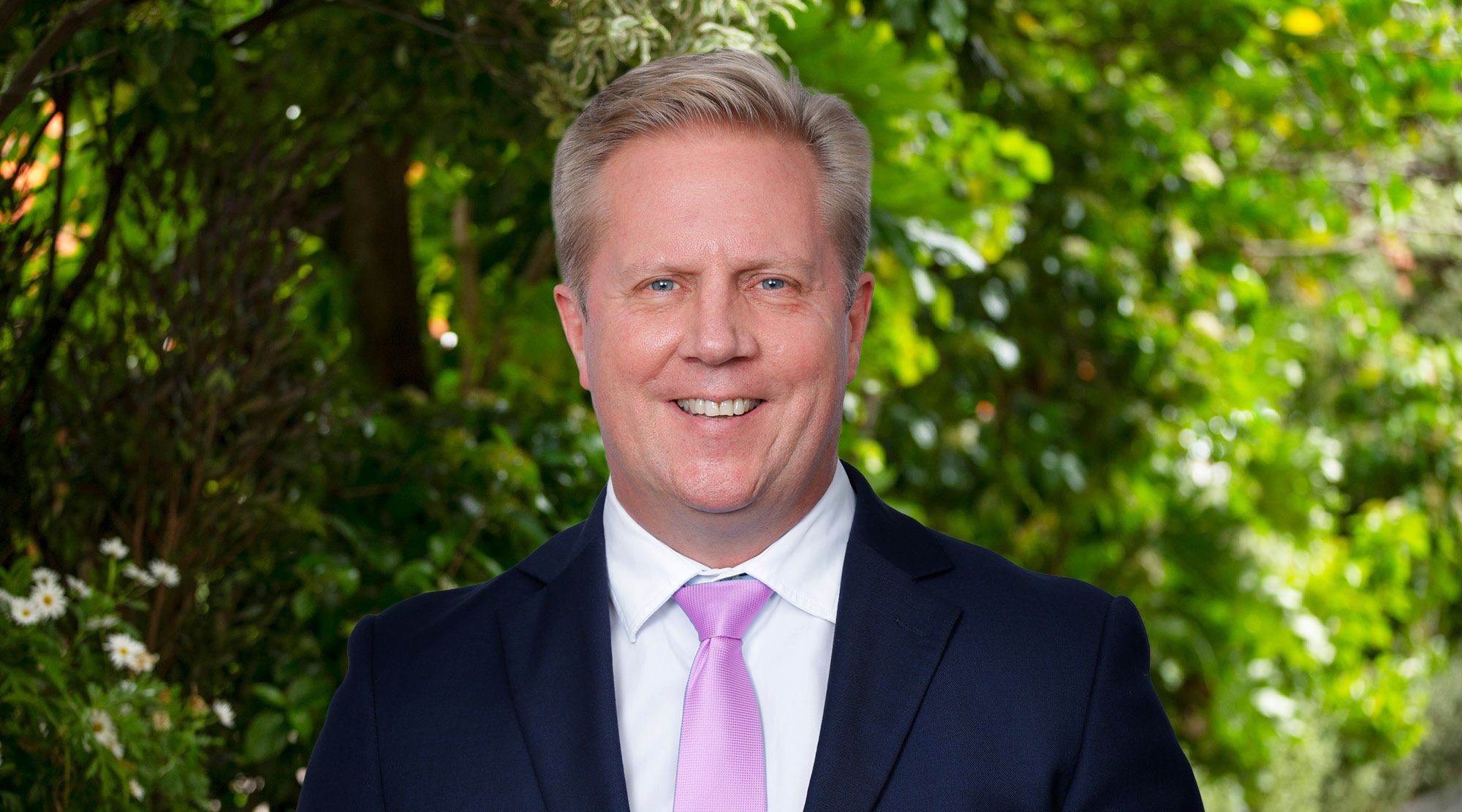
Alan Saunders was a 9-year-old boy with the Hamilton Junior Naturalists Club when he first heard the haunting call of the kōkako.
“I was already besotted by birds – we’d have regular club camps out at Te Kauri Lodge between Otorohanga and Kawhia,” he recalls.
“I got up very early one morning and heard this wonderful mournful bird song – it was kōkako.”
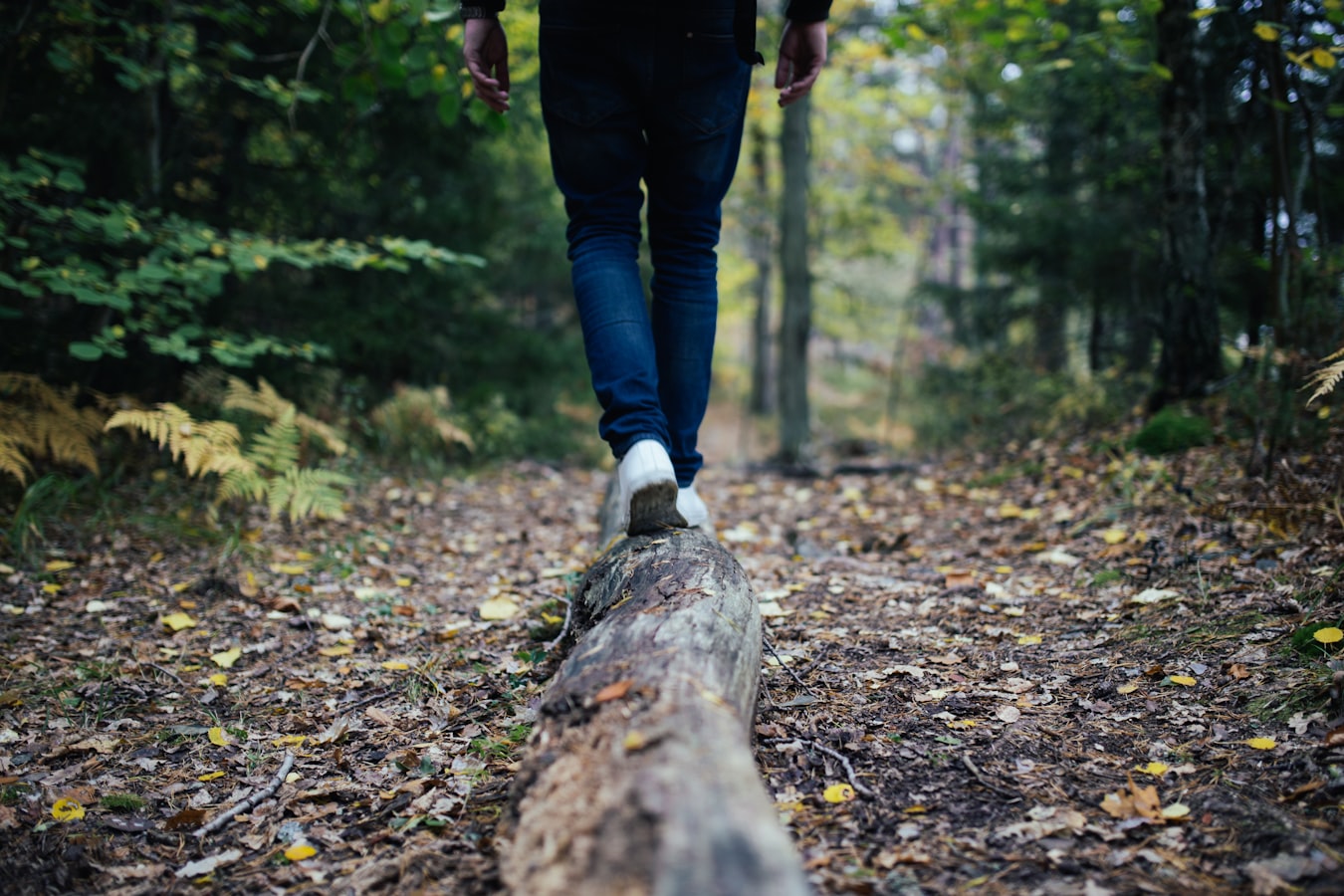
He remembers young naturalists and their guides scrambling from their tents, and racing across a slippery log to catch a glimpse of a pair of the secretive birds – “and it absolutely hooked me into conservation”, he says.
Alan is now 73, and will join dozens of conservationists – including other pioneers he worked alongside in protecting kōkako – for the biennial Kōkako Recovery Group Hui in Rotorua this week. The hui will be hosted by the Department of Conservation.
From that boyhood encounter, Alan went on to join the Wildlife Service as a trainee, and later DOC, helping lead work to bring the kōkako back from near extinction as habitat loss and predation took their toll on the birds. He spent about 27 years with the two organisations and was involved in production of one of DOC’s first species protection plans – for kōkako.
He says kōkako became a prominent and symbolic species for conservation, particularly around the central North Island in places like Pureora. The birds’ survival became a focal point for successful efforts to eventually cease logging and protect the forest habitat.
As a result of these efforts and ongoing predator control, kōkako are still found in Pureora today.
Alan had several different roles with DOC, in various places, but he retained his connection to kōkako protection throughout.
“We knew more about kōkako than most other animals we were forced to manage – because they were endangered,” he says.
“They’re a bit of a survivor, when other birds haven’t. Some of the most dramatic responses we’ve seen, in terms of species recovery, are in relation to landscape-scale goals for kōkako. They’re doing really well now.”
Alan’s delighted by growing kōkako populations around the country – including on Mt Pirongia, near where he lives and remains active in conservation – and says it “makes my heart fly” to see the birds starting to flourish at numerous sites.
He credits community groups as the “beating heart” of kōkako protection around the country, and says he’s looking forward to reconnecting with other pioneers of kōkako protection and emphasises “it wasn’t just me”.
DOC’s Kōkako Recovery Group Lead Rhys Burns says as well as an opportunity for people to catch up, this year’s hui will also cover a range of topics connected to kōkako protection.
These will include new research, translocations and best practice for managing the birds, kōkako protection efforts by the many community groups involved – and tools to control predators, such as highly successful cyclical aerial1080 operations in areas with known kōkako populations.
“We estimate about 100 people will attend – including many of the veterans like Alan, who forged the path we’re on to protect these birds,” says Rhys.
As part of its Always Be Naturing campaign, DOC is encouraging people to take small actions for nature – and that could include getting involved in a community group working to protect kōkako, says Rhys.