Analysis of more than three million toad calls from locations right across Australia gives rare insights into toad breeding behaviour – and offers new hope for halting their advance.
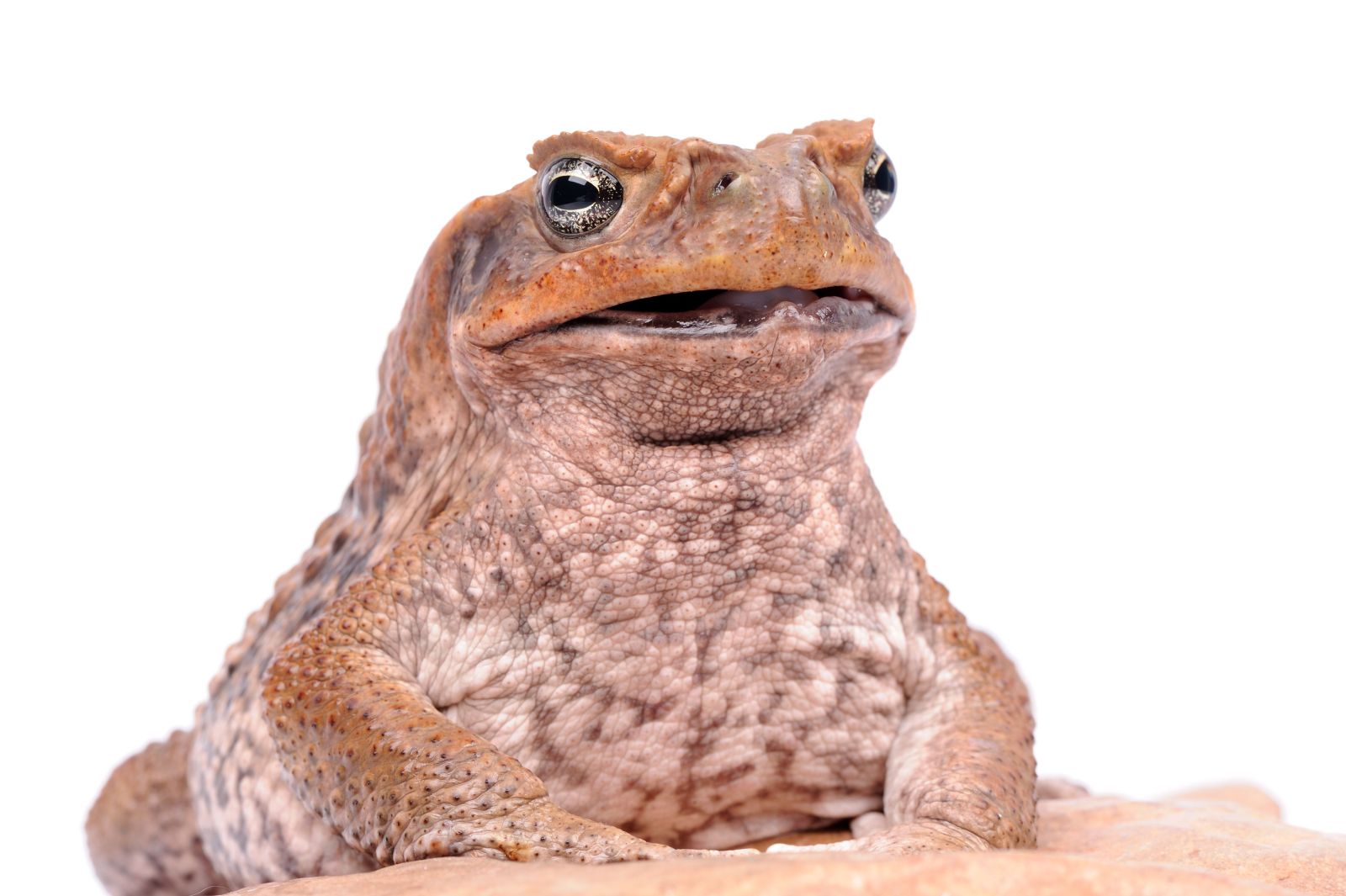
In newly published research, James Cook University ecology researchers discovered the best environmental conditions for toad calling included low moonlight, low wind, high relative humidity, and limited obstructions from surrounding vegetation.
But more than anything, toads love to keep the party rolling on … so calling on a previous night trumped good weather conditions, encouraging more vigorous and more prolonged toad calling.
“Toads are a very successful invasive species. They can survive in a lot of different climatic conditions and they have lethal toxins,” said the research paper’s first author and JCU PhD candidate Franco Leung.
“They kill a lot of predators who try to prey on them, and they compete for the resources required for other similar-sized native frogs.”
Mr Leung explained that one of the things that makes toads so successful is that they are continuous breeders and can call year-round.
“Toad calling is the major way males attract a mate,” said Mr Leung.
“Most of the time they call at night. I found they started to call at sunset and then the calling peaks in the middle of the night, falling away before the sunrise.”
JCU scientists analysed 405,588 hours of night-time audio recordings from 40 different Australian Acoustic Observatory (A2O) sites across Queensland, the Northern Territory and Western Australia.
“We have all these different recording sites across Australia, operating 24/7,” said Mr Leung.
Climate details such as wind, humidity, rainfall, cloud cover and moonlight intensity were combined with habitat details such as vegetation coverage and the presence of nearby water bodies.
“We are providing as much detailed information as possible for people to understand how they spread and when toads call,” explained Mr Leung.
Invasive cane toads, originally introduced to Queensland to control sugar cane beetle, are now widespread across multiple states, from New South Wales in the south to the tip of Cape York in the north and the Kimberley region in the west.
Scientists are concerned that toads are moving further down into the southern regions of Western Australia.
“For established populations, our methods can help to find the best period to capture them,” said Mr Leung.
“It also helps to identify places or conditions, especially at the invasion front, where toads like to call and breed.”