A Hudson-trained researcher has established Bangladesh’s first dedicated Endocrine Hypertension Clinic, dramatically expanding access to diagnosis and treatment for primary aldosteronism.
Primary aldosteronism (PA) is the most common hormone-related cause of hypertension, and is both treatable and, in some cases, curable. Yet it remains substantially underdiagnosed worldwide, particularly in low- and middle-income countries.
A recent publication in the Journal of Human Hypertension highlights the impact of establishing Bangladesh’s first dedicated Endocrine Hypertension Clinic (EHC).

In 2022, Professor Sharmin Jahan, from the Department of Endocrinology and Metabolism at Bangladesh Medical University (formerly BSMMU) in Dhaka, established the EHC at one of Bangladesh’s largest tertiary hospitals.
Drawing on experience gained during her PhD under Professor Jun Yang and Professor Peter Fuller at Hudson Institute of Medical Research, Professor Jahan adapted Melbourne’s endocrine hypertension service model to Bangladesh’s healthcare system.
A clinic making primary aldosteronism visible
Before the EHC was established, hospital records showed that only 30 patients underwent PA testing over an entire decade (2012-2022), resulting in just 12 confirmed diagnoses.
In the three years following the clinic’s establishment (2022-2025), 399 patients were tested and 119 were diagnosed with PA.
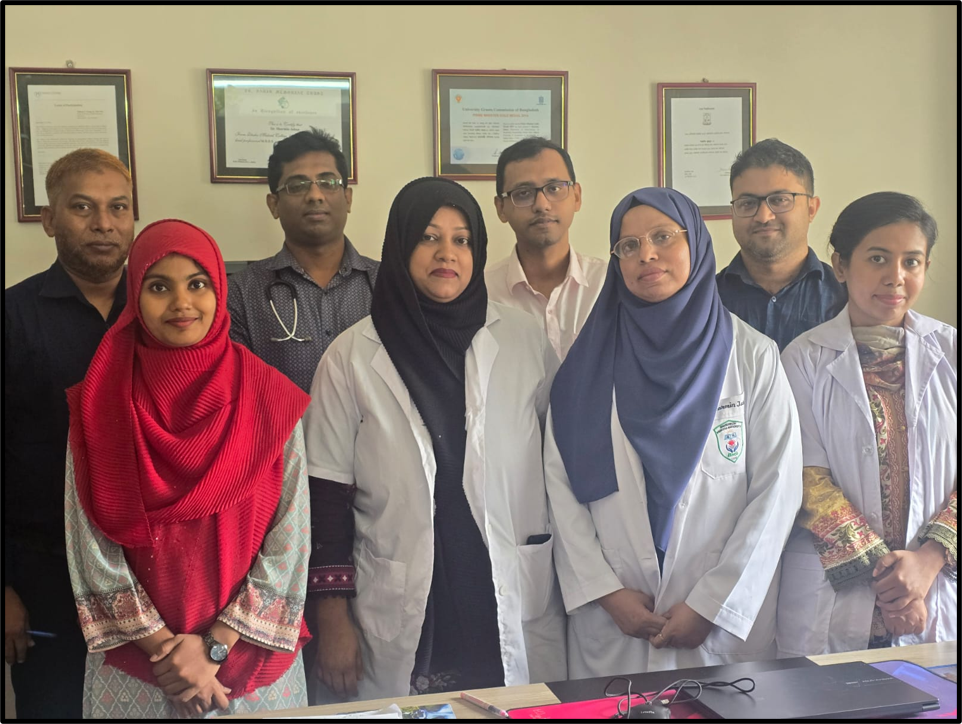
The figures highlight just how much access to diagnosis has improved. A condition that was previously rarely identified is now being detected and treated at a scale not previously available in Bangladesh.
Prof Jahan credits her Hudson Institute supervisors and their team for supporting the work: “It has all been made possible by the direct guidance of Prof Jun, Prof Peter and their team. At present we have an independent Endocrine HTN Clinic with an escalating number of referrals from other centres, and we’re now reaching to build collaboration in developing sophisticated investigations like AVS (adrenal vein sampling).”
Importantly, patients diagnosed before the clinic was established generally presented with more advanced disease, including higher blood pressure, more frequent hypokalaemia and greater target-organ damage.
By contrast, patients identified through the EHC had less severe disease at presentation, suggesting that systematic screening is enabling earlier diagnosis and intervention. Patients managed through the clinic also demonstrated excellent clinical outcomes.
Bringing structured PA care to Bangladesh
Beyond increasing diagnoses, the clinic has changed how patients with PA are identified and treated.
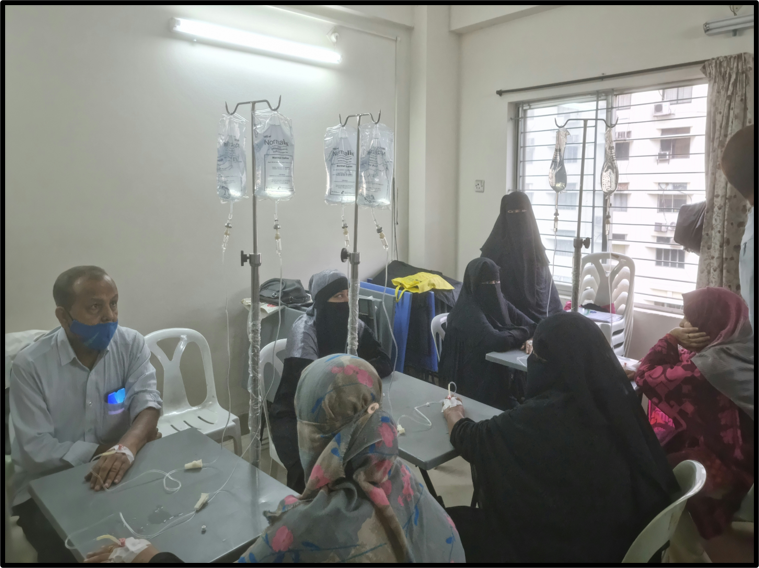
By introducing structured screening, confirmatory testing and targeted treatment pathways, Prof Jahan and her team have shown that specialised endocrine hypertension services can be successfully implemented in resource- constrained healthcare systems.
The initiative also provides a practical and scalable model for other low- and middle-income countries, particularly across South Asia, where hypertension is highly prevalent and PA remains largely unrecognised.
The success of the clinic shows that improving hypertension outcomes does not always depend on new treatments or medical breakthroughs. Helping the right patients receive the right diagnosis and care can make a meaningful difference.
A changing health landscape
According to the World Health Organization, three-quarters of the world’s hypertensive population resides in low to middle income countries. Hypertension management remains challenging in many of these regions, with fewer than half of people with hypertension diagnosed and less than a third receiving treatment.
Countries across Asia, particularly in South Asia, are experiencing a growing burden of hypertension and related cardiovascular diseases.
Bangladesh is undergoing a transition from communicable to noncommunicable disease prevalence, driven by rapid urbanisation, increased life expectancy, dietary changes, and sedentary lifestyles.
Against this backdrop, PA remains substantially underdiagnosed, despite being a common and treatable cause of hypertension.
International collaboration
Prof Jahan commenced her PhD studies at Hudson Institute before returning to Bangladesh for most of her studies, working remotely under the guidance of Professors Yang and Fuller.
Today, she continues her work at Bangladesh Medical University while leading the Endocrine Hypertension Clinic she established, helping more patients gain access to earlier diagnosis and targeted treatment for primary aldosteronism.