- New interactive dashboard maps H5 bird flu test results for wildlife across Western Australia
- Positive and negative results will provide a clearer picture of surveillance activity
- Central website provides the latest advice for industry, wildlife carers and the community
- Cook Labor Government continuing to strengthen WA’s H5 bird flu preparedness
Western Australians can now access an interactive dashboard showing H5 bird flu detections and testing activity across the State.
The dashboard is available through www.wa.gov.au/birdflu , which provides a central source of information, advice and resources for poultry producers, veterinarians, wildlife rehabilitators and the community.
The dashboard will map confirmed H5 bird flu detections in Western Australia, as well as locations where birds have tested negative, helping the community understand where the disease has been detected and testing has taken place.
The threat of bird flu is evolving and last week Australia recorded its first mass mortality event linked to H5 bird flu.
While WA remains free of any detected local transmission, the risk of further spread among wild birds remains. The Cook Labor Government is continuing to strengthen preparedness and response measures to manage future detections and protect the State’s wildlife.
This includes:
- regular engagement with the poultry industry, local governments, veterinarians and wildlife rehabilitators, including webinars held since H5 bird flu was first detected in Western Australia;
- enhanced surveillance and testing across the State, supported by trained field teams, expanded laboratory capacity and increased supplies of sampling equipment and personal protective equipment;
- additional training for response personnel in safe sampling techniques, biosecurity procedures and the correct use of personal protective equipment;
- divisional commands established in Perth, Esperance, Albany, Bunbury and Geraldton to co-ordinate regional operations, with additional capability in northern Western Australia ready to be activated if required;
- increased surveillance capacity across the metropolitan area, South West, Great Southern, Wheatbelt and Mid West, including joint Department of Primary Industries and Regional Develepment and Department of Biodiversity, Conservation and Attractions monitoring at priority coastal and island locations;
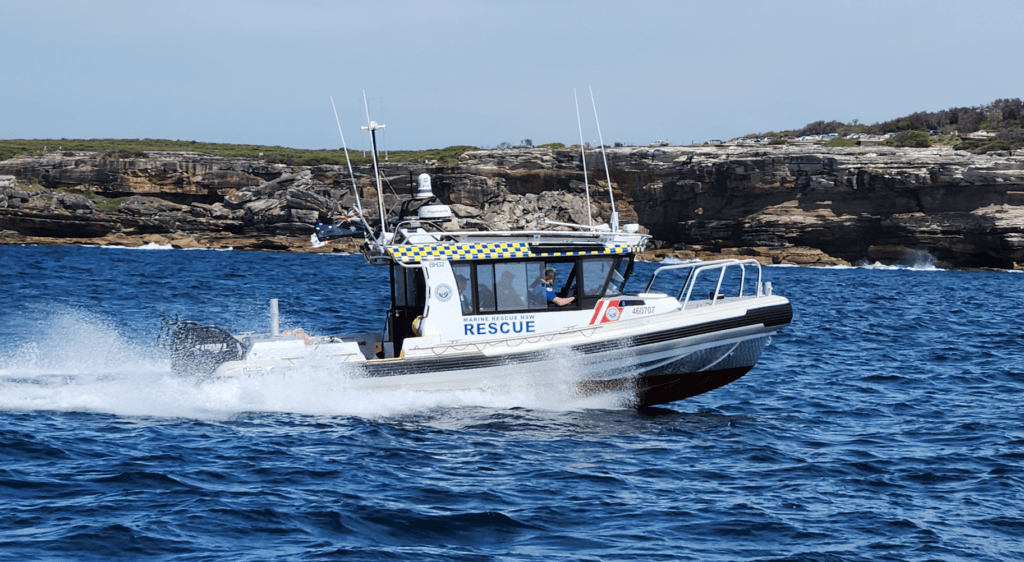
- vessels and field teams deployed to locations including Lancelin and Edwards Island to monitor wildlife populations and identify signs of illness or unusual mortality;
- a central bird flu website and weekly public updates providing clear information and helping Western Australians contribute to early detection;
- the establishment of a new bird flu advisory group to strengthen collaboration with the wildlife sector;
- a stakeholder communications toolkit providing consistent, practical information for industry, community organisations and other partners to share through their networks; and
- regular engagement with the Consultative Committee on Emergency Animal Diseases and the National Management Group.
The risk to human health is low, but people are reminded not to handle sick or dead wildlife.
Anyone who sees sick or dead birds or other wildlife should avoid contact, record the location and what they see, and report it to the Emergency Animal Disease Hotline on 1800 675 888.
As stated by Agriculture and Food Minister Jackie Jarvis:
“We are continuing to act early and strengthen our preparedness for H5 bird flu.
“This dashboard will give Western Australians an accessible picture of where detections have occurred and where surveillance and testing are taking place.
“The central bird flu website will help ensure poultry producers, veterinarians, wildlife carers and the community can access the latest information and practical advice in one place.
“Our ongoing surveillance, industry engagement and community vigilance is helping us deliver a strong and co-ordinated biosecurity response.”
As stated by the Environment Minister Matthew Swinbourn:
“While there is no current evidence of localised spread in Western Australian wildlife, we are taking all necessary steps to prepare for when it happens.
“H5 bird flu has caused significant impacts on wild bird populations overseas, and doing what we can to protect Western Australia’s native wildlife and biodiversity remains a key priority for the Cook Labor Government.
“The community is an important partner in this response, and I thank everyone who has reported sick or dead birds while following the advice to avoid contact, keeping themselves and our wildlife safe from avoidable transmission.”