The Australian Centre for International Agricultural Research (ACIAR) has launched a refreshed Pacific Agricultural Scholarship Support (PASS) program, marking a new chapter in regional research and capacity development through an enhanced partnership with Fiji National University (FNU) and the University of the South Pacific (USP). The program held a ceremonial launch in Fiji in early August.
Building on the achievements of the program since its establishment in 2008, the redesigned PASS initiative introduces a new partnership arrangement between ACIAR, FNU and USP, aimed at ensuring research and capacity development activities are more responsive to the needs of Pacific countries and institutions. ACIAR Director Capacity Development, Ms Jennifer Ross, said the redesign reflects lessons learned over recent years and a shared commitment to strengthening Pacific research systems.
‘As a collaborative partnership, we are drawing on each of our institutions’ unique strengths and expertise to enhance the PASS program and strengthen the relevance of agricultural research-for-development training. This builds on the collaborative legacy and shared achievements that ACIAR, FNU and USP have forged together over many years,’ said Ms Ross.
‘This co-design process has allowed us all to take stock of our strengths, opportunities for improvement, shared priorities and lessons learned and reimagine how we deliver PASS in the region.’
A key feature of the refreshed program is an enhanced partnership model that places Pacific institutions at the centre of leadership, decision-making and program delivery.
The program will support Pacific institutions to play a stronger role in identifying research priorities, overseeing implementation and shaping solutions relevant to their countries and communities.
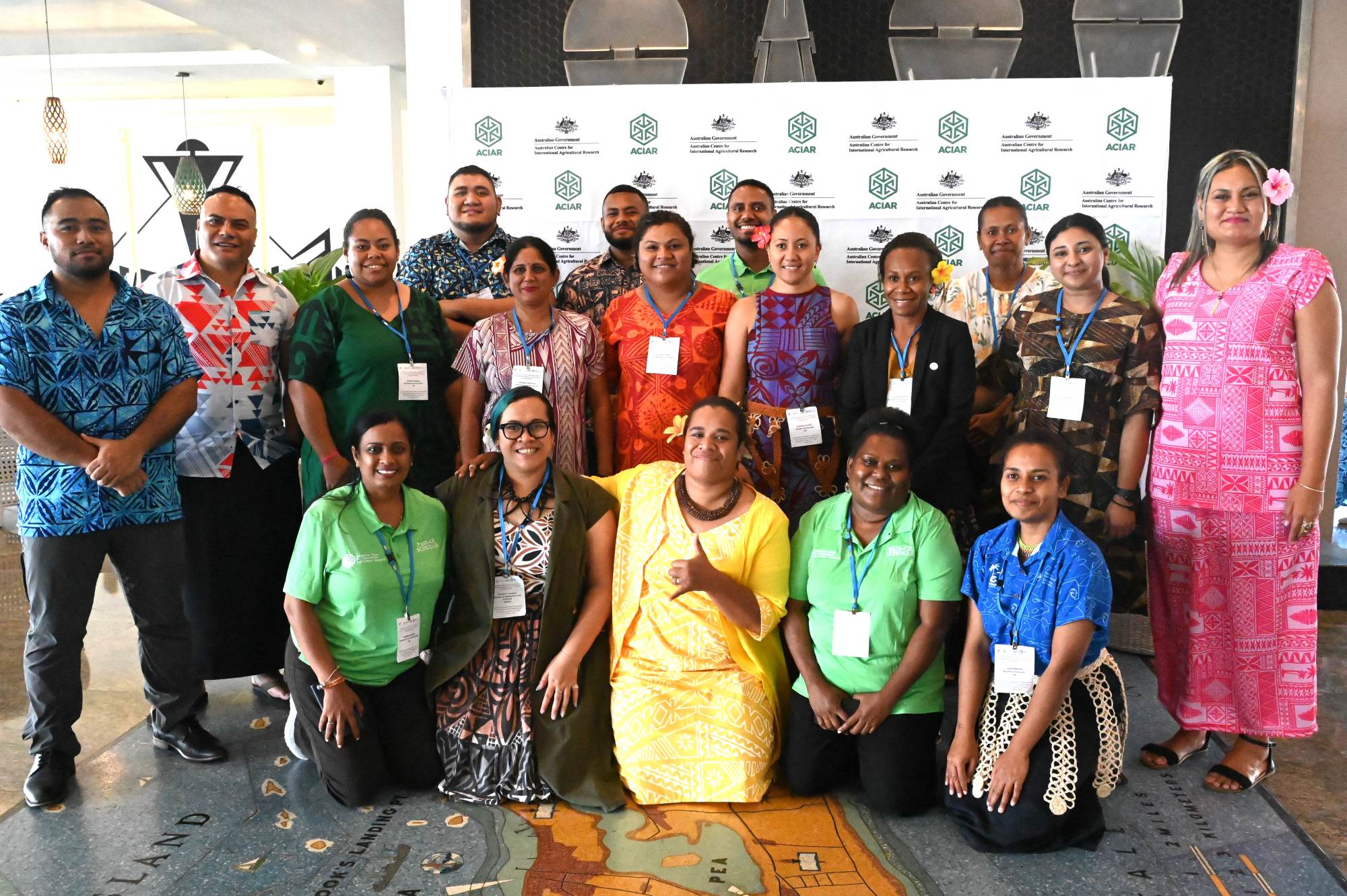
Speaking at the launch, FNU Vice-Chancellor, Professor Unaisi Nabobo-Baba, said that through the PASS scholarship, FNU students have been given opportunities to pursue postgraduate research in agriculture, horticulture, fisheries, aquaculture and forestry.
‘We need research that responds to the realities of our region, whether it is food security, climate resilience, sustainable agriculture, fisheries, forestry or the livelihoods of our communities. But to undertake that research, we need to invest in people. We need Pacific researchers who understand these challenges and who can work with our communities, governments and industries to find practical solutions,’ said Professor Nabobo-Baba.
‘Agriculture, fisheries and forestry will remain critical to the future of our region. We need more Pacific researchers, stronger connections between research and industry, and research that translates into practical outcomes for our people. PASS is one important way in which we can achieve this together,’ she said.
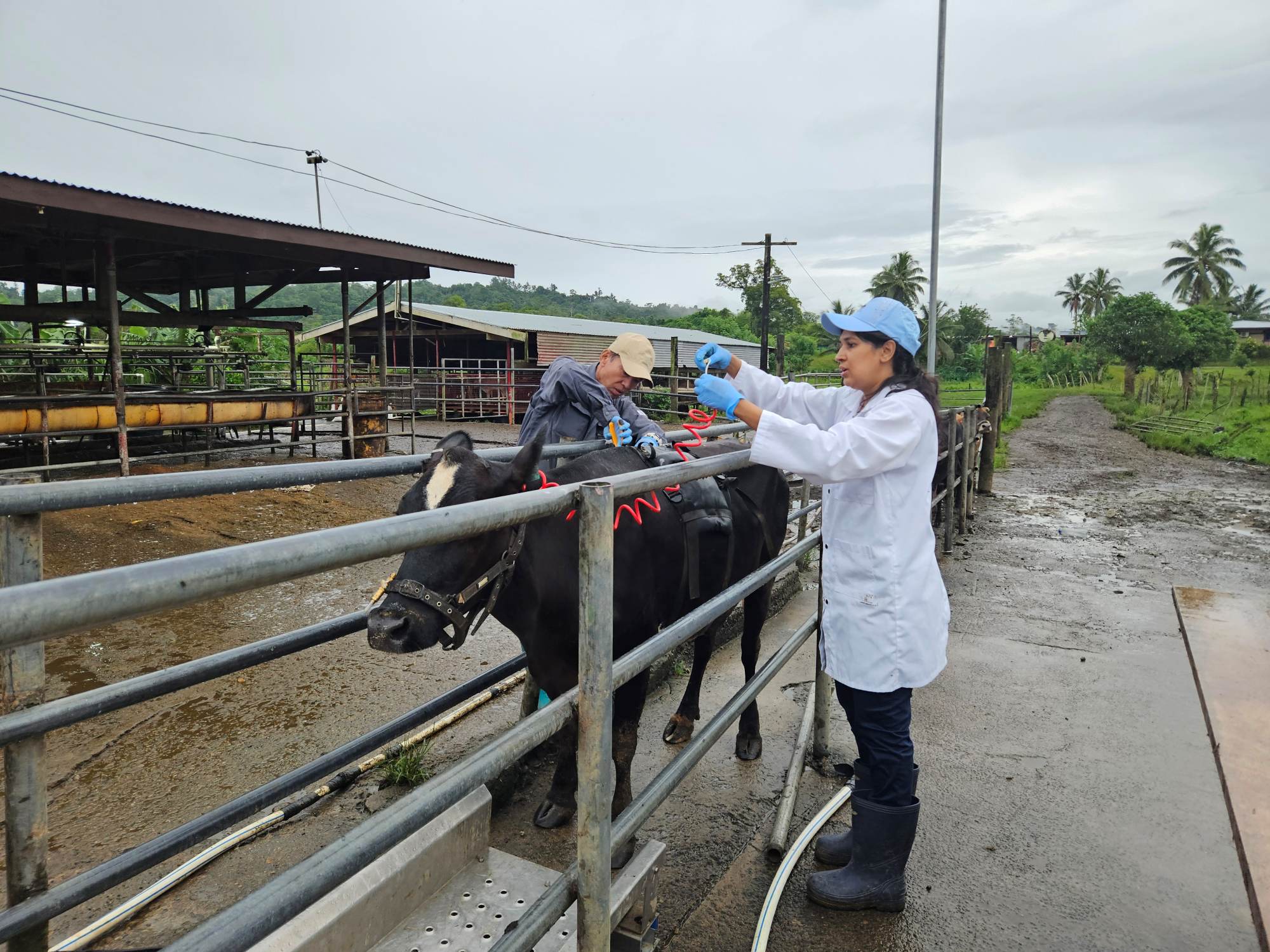
Professor Jito Vanualailai, USP Deputy Vice-Chancellor and Vice-President (Education) and Acting Deputy Vice-Chancellor and Vice-President (Research & Innovation) said the PASS program is building research capability in the region which is essential to achieving sustainable development outcomes.
‘It ensures that our scholars are equipped to respond to the complex challenges facing our agriculture and food systems – challenges that will only grow more pressing in the years ahead, and that demand solutions rooted in Pacific knowledge and Pacific leadership.
‘USP has benefited greatly from its partnership with ACIAR. Through the PASS Program, our students and researchers have gained opportunities to generate knowledge that is grounded in Pacific realities, while at the same time contributing to regional and global conversations on agricultural systems. This is precisely the kind of scholarship our region needs: work that speaks to our own soil, our own communities and our own future,’ said Prof Jito.
Since 2008, the PASS program has supported over 100 Pacific scholars to undertake postgraduate research within the Pacific while building connections with Australian universities and research organisations.
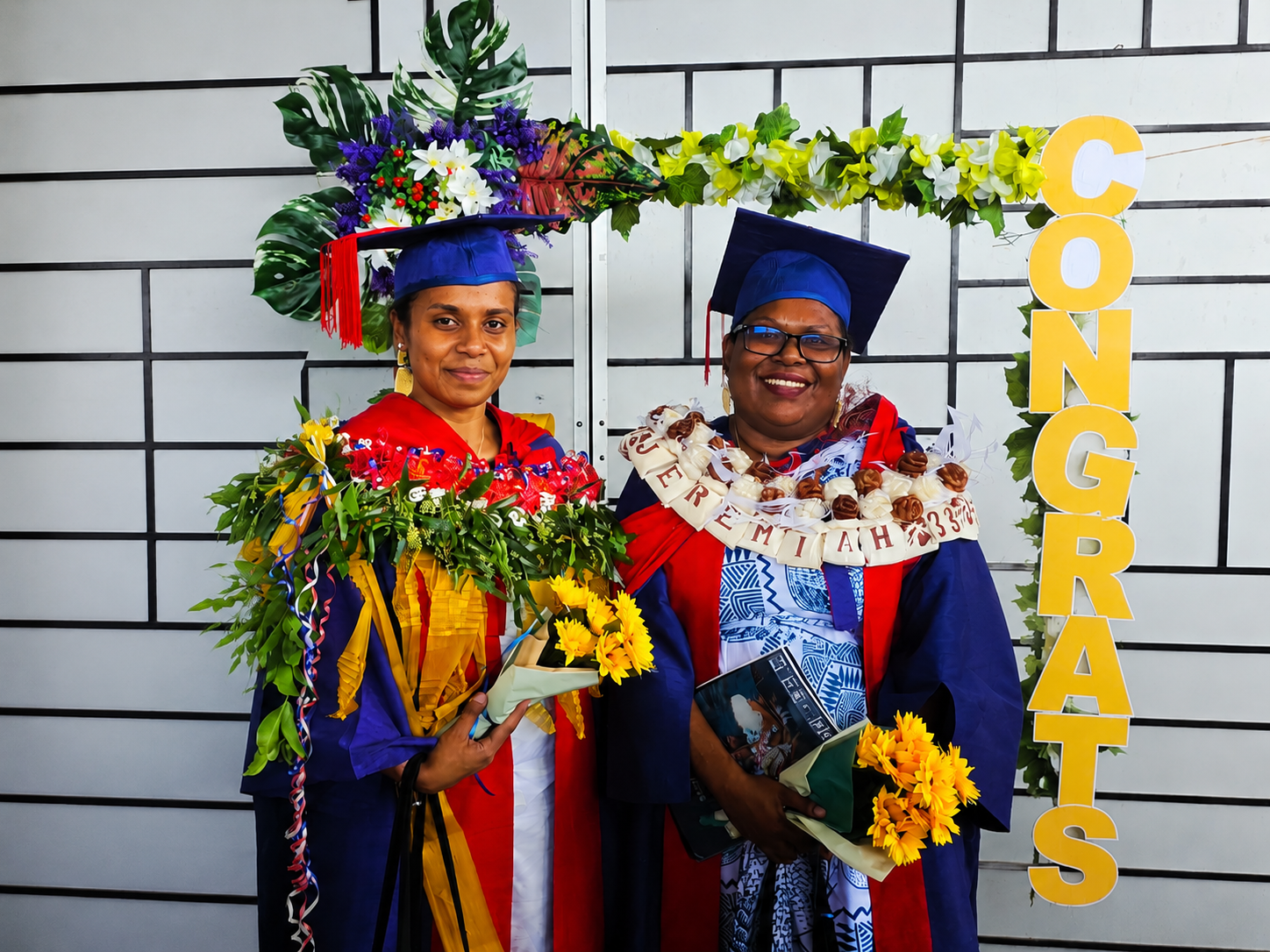
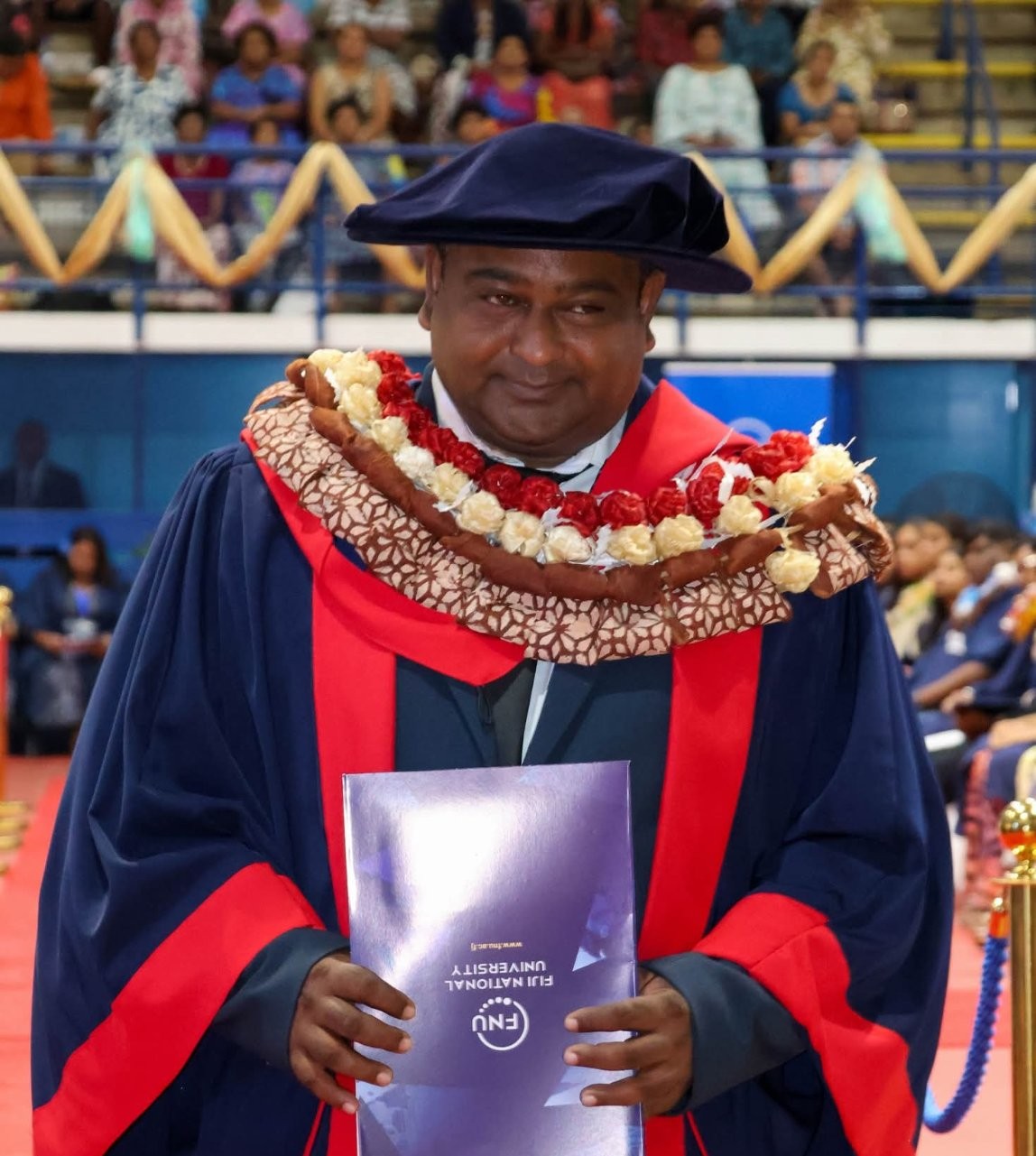
Ms Ross said this model enables research to remain highly relevant to the Pacific research and development priorities, while fostering valuable international collaborations.
‘By continuing to invest in PASS, we create more opportunities for research and study to be undertaken in situ, more closely connected to communities and local contexts. Through PASS, there are also opportunities to support strong institutions to sustain research findings and build meaningful networks.’
ACIAR is also exploring opportunities to create additional pathways for early-career researchers and postgraduate study through the revised program.
The renewed PASS program is expected to contribute to broader regional priorities, including the Blue Pacific Strategy, the Regional Research Agenda and the strategic goals of FNU and USP.
‘We see PASS not just as a scholarship program for producing master’s and PhD qualifications, but as a program that, through academic and organisational support, generates and contributes world-leading research on the Pacific that informs solutions for the region’s most pressing development challenges,’ said Ms Ross.