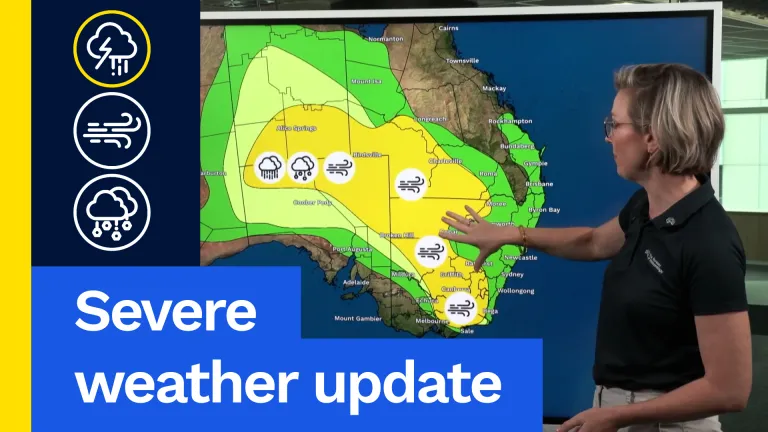
With warmer, drier conditions forecast across much of the Murray-Darling Basin, the Commonwealth Environmental Water Holder (CEWH) is preparing to deploy environmental water where it can make the greatest difference for rivers, wetlands, native fish, waterbirds and vegetation.
CEWH Dr Simon Banks noted that coordinated summer flows across the northern Basin, protection of drought refuges in the Upper Murrumbidgee, autumn flows supporting native fish movement and riverbank plants in the Goulburn River, and comprehensive watering of the Macquarie Marshes headlined a successful 2025-26 year for Commonwealth water for the environment.
“The environmental watering successes across multiple years have set us up with a firm foundation to manage potentially difficult conditions as they emerge across the Basin,” Dr Banks said.
“We need to make every drop count, so our 2026-27 Water Management Plan that we have launched today considers varying scenarios and guides environmental flows where they can achieve the greatest ecological impact.
“We manage water equivalent to around 6.5 per cent of average Basin inflows and have delivered 93 per cent of our allocated environmental water since 2008-09,” he said.
Dr Banks said the CEWH’s priorities remained clear: maintaining river connectivity, supporting native fish, waterbird and vegetation outcomes and building resilience across the Basin’s internationally important wetlands and waterways.
“Environmental outcomes are also strengthened through the CEWH’s Environmental Activities Program which invests in projects such as fishways, wetland infrastructure and works that reconnect rivers, creeks and floodplains.
“Delivering water is only part of the story. We are also enabling projects that help environmental water go further and achieve better outcomes on the ground.
“We strengthen our work through partnerships with First Nations organisations, local landholders, industry and delivery partners. The knowledge and science of First Nations peoples is important to inform our planning and decision-making.
“None of this work is possible without our science program, Flow-MER (Monitoring, Evaluation and Research) which confirms that the CEWH’s use of water for the environment is working. Making decisions based on the best possible science and knowledge is important to us. Our completed and planned science investment from 2010 to 2023 guides and supports our planning and decision-making and evaluates what we’ve achieved,” he said.
Dr Banks said the 2026-27 year would be no doubt be a challenging year with a variety of risks to be managed, including the impacts from El Nino conditions and H5 bird flu.
“With the recent arrival of H5 bird flu to the Murray-Darling Basin, we are focused on making the wetlands and the environment as healthy as possible to support waterbirds. Nationally agreed arrangements have been activated to support ongoing management and response efforts focused on minimising impacts on wildlife, animal and human health, communities and agricultural industries.
“The effect of drier conditions is already being felt in some parts of the Basin, with recent drought declarations in southern Queensland. Parts of New South Wales are also drought affected, and the central west has reports of a ‘green drought’ where surface vegetation is green but there is poor soil moisture.
“CEWH water delivery staff work extensively with State Government representatives, First Nations groups, Environmental Water Advisory Groups, industry and irrigators and scientists to prepare our Water Management Plan.
“In the north of the Basin if dry conditions continue, we are looking to avoid cease-to-flow periods and provide replenishment flows to refuge waterholes for native fish and other aquatic animals. If conditions become wetter, we will deliver further flows to support movement and breeding of native fish and waterbirds.
“In central and southern NSW, our plans include watering the Lower Lachlan Swamps with flows into the Great Cumbung Swamp and supporting wetlands and floodplains in the mid and lower Murrumbidgee valley. This will build resilience of the ecosystems and support the breeding of the Nationally vulnerable Southern bell frog as well as other water-dependent species.
“Along the Murray River and its tributaries, we will look to maintain winter and spring flows along the length of the river. This includes supporting native fish such as the National vulnerable Murray cod, riverbank plants and low-lying wetlands.
“Our water will also support end-of-system flows to the Lower Lakes and Coorong to maintain ecosystems, support native fish movement and to flush salt build-up in these areas,” he said.
Dr Banks praised the many and various partners of CEWH that help deliver water for the environment across the Basin.
“We look forward to more key collaborations and partnering that helps protect the iconic rivers and waterways of the Murray-Darling Basin,” he said.