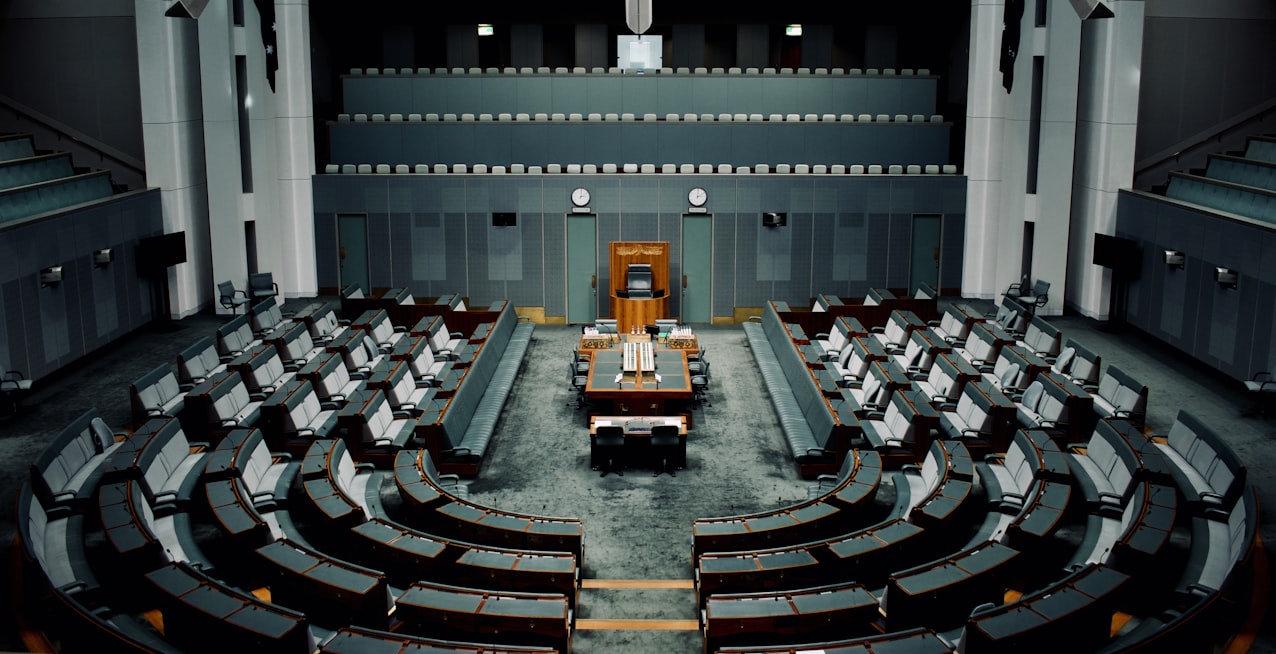
On Friday 17 July 2026, Community Services Ministers (CSM) from the Commonwealth, states and territories (except Northern Territory and Western Australia, which were represented by proxies) met together with the Aboriginal and Torres Strait Islander Leadership Group (Leadership Group) in Sydney on the lands of the Gadigal people of the Eora Nation for a Safe and Supported Shared Decision-Making Committee (the Committee) meeting.
The Committee reaffirmed its shared commitment to Safe and Supported: The National Framework for Protecting Australia’s Children 2021-2031 (Safe and Supported) and creating an Australia where every child and young person grows up safe and supported in their family, community and culture. This includes implementing the Aboriginal and Torres Strait Islander Child Placement Principle (Child Placement Principle) as agreed by all jurisdictions under Safe and Supported.
The Committee remains committed to protecting and keeping all children safe while progressing work towards Target 12 of Closing the Gap, aimed at reducing the overrepresentation of Aboriginal and Torres Strait Islander children in out-of-home care.
The Committee reflected on the implementation of the First Action Plans under Safe and Supported and the progress made including:
- the establishment of the National Commissioner for Aboriginal and Torres Strait Islander Children and Young People;
- a commitment to investment in prevention, early intervention and family support initiatives through the National Child and Family Investment Strategy and its Innovation Fund; and
- greater inclusion of children and young people’s voices and Aboriginal and Torres Strait Islander-led approaches in policy development.
While acknowledging these achievements, the Committee noted that outcomes for children and young people are not improving quickly enough and that significant challenges remain.
The Committee discussed the development of the Second Action Plans for Safe and Supported is now underway and identified the need to focus on stronger implementation, prioritisation, outcome measurement and evaluation, and greater alignment across national priority reforms to improve safety outcomes for children, families and communities.
The Committee noted that consultations are currently underway to support development of the Second Action Plan of the National Plan to End Violence against Women and Children 2022-2032. This Second Action Plan is being developed in a coordinated and connected way with the two action plans for Safe and Supported; Our Ways – Strong Ways – Our Voices: National Aboriginal and Torres Strait Islander Plan to End Family, Domestic and Sexual Violence 2026-2036, and the National Strategy to Prevent and Respond to Child Sexual Abuse 2021-2030.
The Commonwealth reiterated to jurisdictions it’s our shared commitment to implementation of the Child Placement Principle under Safe and Supported and reminded jurisdictions of the importance of consistency of application of the Child Placement Principle. It was acknowledged by the Committee that the Child Placement Principle was a recommendation in the Bringing Them Home Report 1997 and will help drive action under Target 12 of the Closing the Gap.
The Child Placement Principle consists of five key system elements including prevention, partnership, placement, participation, and connection. The Committee recognises that evidence shows First Nations children achieve better outcomes when they are connected to family, culture and community. The Commonwealth also confirmed it will continue to lead the development, maintenance and implementation of the National Out of Home Care Standards and Indicators to support nationally consistent monitoring, reporting and improvement of outcomes for children and young people in out-of-home care.
The Leadership Group reinforced the consistent position of First Nations communities and organisations that the Child Placement Principle is a framework to protect the safety and human rights of Aboriginal and Torres Strait Islander children and young people, with safety the paramount consideration. The Child Placement Principle does not prioritise connection to culture over safety but recognises that safety and wellbeing is best achieved in connection with family, community and culture.
The Leadership Group expressed its strong opposition to the Northern Territory Government’s proposed legislative changes.
State and territory ministers provided an update on jurisdictional endorsements and the status of:
- implementing Minimum Requirements for Aboriginal and Torres Strait Islander Children’s Commissioners under Activity 7.a of the Aboriginal and Torres Strait Islander First Action Plan; and
- progress to establish or strengthen these roles in line with Activity 7.b.
The Minimum Requirements are designed to ensure Commissioners for Aboriginal and Torres Strait Islander children and young people are independent, effective and appropriately empowered. The Commonwealth legislation to establish a National Aboriginal and Torres Strait Islander Children and Young People Commissioner was enacted on 1 July 2026 and the Commonwealth encouraged all states and territories to utilise the Minimum Requirement standards.
Members agreed to continue working together towards strong advocacy and accountability structures in each jurisdiction.
The Committee discussed governance arrangements for Safe and Supported. The Committee agreed that Aboriginal and Torres Strait Islander Commissioners, Guardians and Advocates for Children and Young People and similar role-holders will no longer be part of the Safe and Supported Aboriginal and Torres Strait Islander Leadership Group to support their independence. Commissioners, Guardians and Advocates will have a standing invitation to attend the Committee and Senior Oversight Committee meetings in an independent capacity and the option to participate in other Safe and Supported processes in an independent advisory capacity. This proposal was supported by Members, and the governance arrangements will be reflected in amendments to the Terms of Reference and Partnership Agreement.
Members discussed progress on plans for legislative reform to implement delegated authority and agreed to continue work to understand what arrangements are needed within government and Aboriginal and Community Controlled Organisations (ACCOs) to support delegation.
The Commonwealth affirmed its commitment to investing in and growing the ACCO sector funding allocations as part of Our Ways, the National Child Investment Strategy and the Children and Family Support (CaFS) program.
Finally, members agreed to resolved out of session the approach to publishing research and reports developed through Safe and Supported, recognising the importance of this work to inform evidence-based policy reform to support better outcomes for children and families.
The next meeting of the Committee was agreed to take place on 5 November 2026.