Imagine your office is a vessel travelling one of the seven natural wonders of the world.
Your colleagues are bright, passionate marine biologists and talented tour guides.
Instead of meetings, you’ve got face time with a clownfish while submerged in the crystalline waters of the Great Barrier Reef.
Your job is to showcase the magnificence of the World Heritage Area to visitors from around the world. What is an everyday experience for you is a once-in-a-lifetime experience for them.
That’s the reality for Cairns marine biologist Jess Good, who spends her days introducing visitors to the wonders of the Great Barrier Reef with tour company Great Adventures.
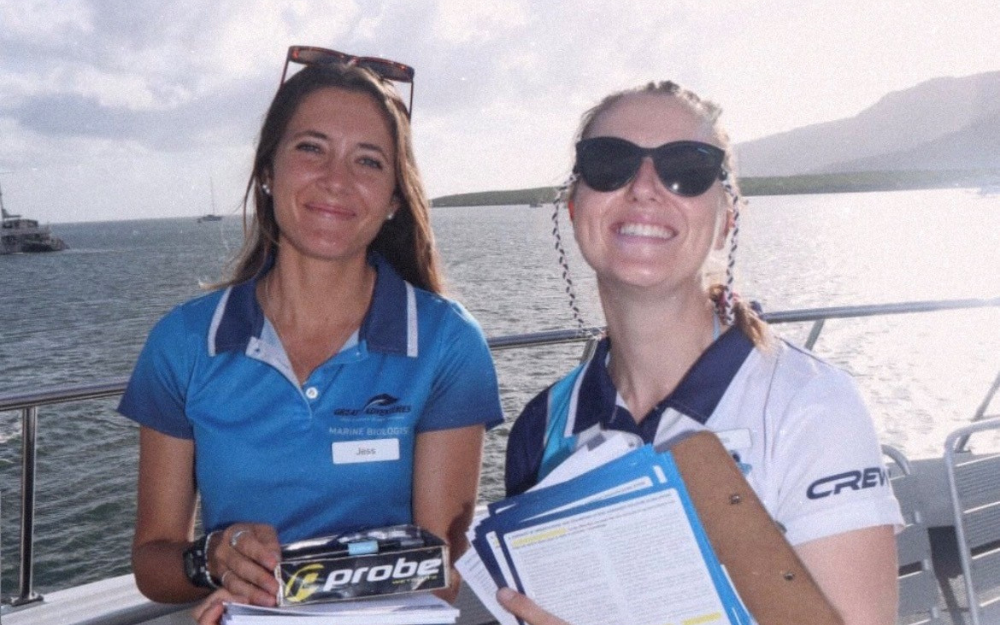
“Every day I’m out there, even if I’m cold or it’s windy – I still get so excited at seeing a parrotfish, reef shark or a nudibranch,” Jess Good said.
“Once you go down, you realise there’s this whole world under there.
“I feel very lucky – a lot of people will live their lives without experiencing life beneath the water.”
Jess’ fascination with the ocean began long before she started working on the Reef.
Growing up in the coastal town of Lennox Head, south of Byron Bay, she was never far from the water.
But working in marine biology initially seemed a bit out of reach.
“I always thought about being a marine biologist growing up. I didn’t really ever think it was possible.”
After working as a veterinary nurse, Jess felt drawn back to her original passion. Wanting to learn more about the natural world, she enrolled in a Bachelor of Animal Ecology, specialising in Marine Biology and Ecology at the University of the Sunshine Coast.
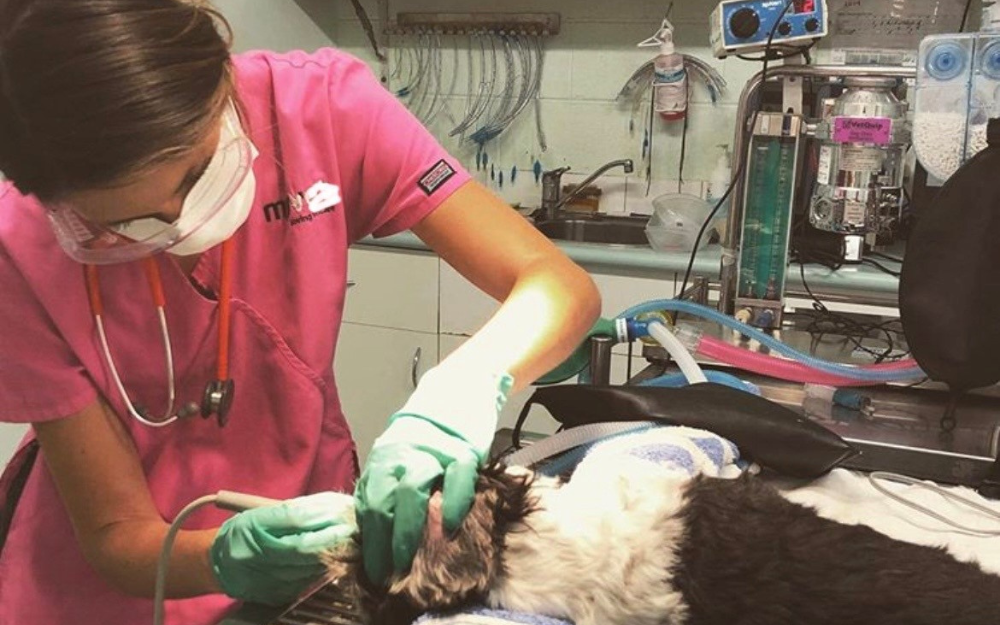
“I remember I was at the vet clinic working, and I was running some blood samples through the machine. And it made me think, I just love nerding out, and I’m in the ocean most days going for a swim after work, so I figured marine biology was my next step.”
During her studies, Jess seized every opportunity to gain field experience. One project led her to Dolphin Research Australia, where she helped study near threatened and vulnerable dolphin species.
Working with marine ecologist Dr Liz Hawkins, Jess joined a team on research boats to investigate regional populations of Indo-Pacific bottlenose and humpback dolphins.
“It was really interesting work – we’d do a lot of research trips on the boat – rain, hail or shine.
“We’d get pictures of the dolphins’ dorsal fins on a huge camera.
“Their dorsal fins are like their fingerprints – each one is unique. So, we can tell specific animals apart from special notches in their fins – like there’s ‘CJ’ or ‘Chopper’!”
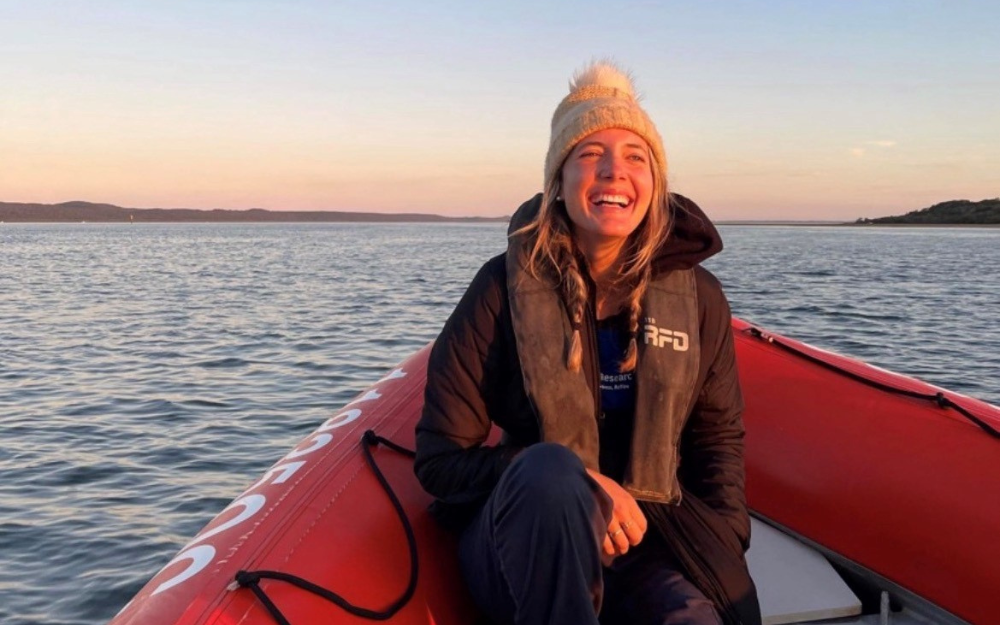
The experience confirmed what Jess had long suspected – her future belonged on the water.
After graduating, Jess continued working with Dolphin Research Australia, until she got the opportunity in late 2025 to work on one of the world’s most remarkable marine ecosystems – the Great Barrier Reef.
Today, a day in Jess’ life might begin aboard a 33-metre catamaran bound for the Reef, alongside travellers from every corner of the globe.
On the journey to the Reef, Jess delivers an educational presentation to prepare guests for the day ahead.
When her ferry docks at the tropical island paradise of Green Island, Jess might lead a nature walk and marine debris clean-up, where visitors can become citizen scientists and leave a positive footprint on the Reef.
Soon, it’s time to get in the water, with Jess leading a guided snorkel tour.
“The most rewarding thing is to see the smile on people’s faces, especially people who have never swum before or have never been snorkelling. They might be from the other side of the world – I’ll take them on a snorkel tour, and they come back and they’re so grateful and excited.”
But sharing the Reef with visitors is only part of Jess’ role.
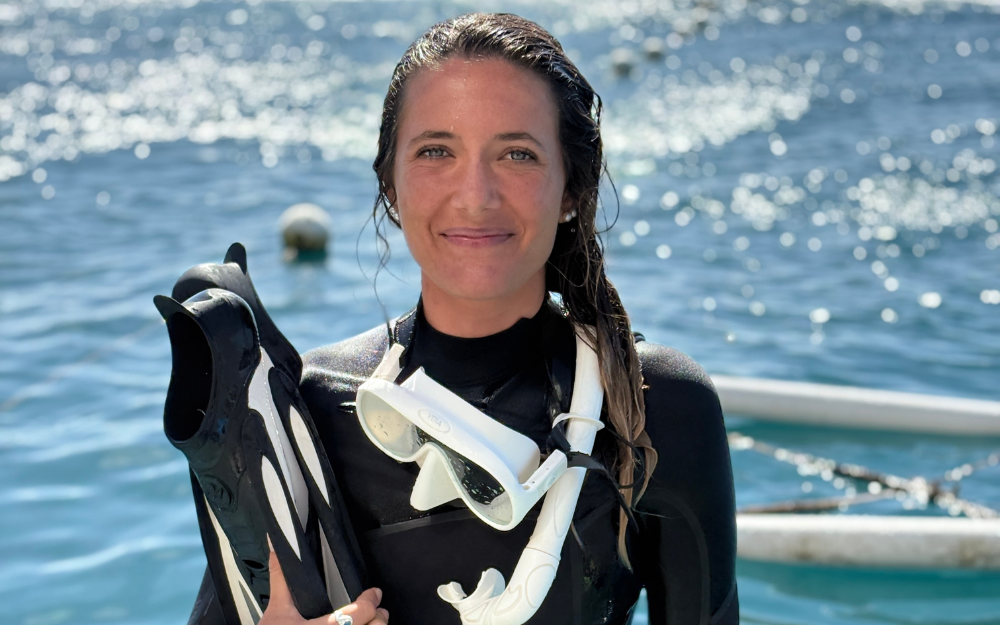
While guiding snorkel tours, she’s also keeping a close eye on Reef health.
“When we’re out on the water, we’re always monitoring the health of the Reef.
“We do coral predator control work, so we go out diving for crown-of-thorns starfish and to collect Drupella snails. We remove them from the Reef to give the coral a chance to recover when their numbers get too high.”
Reef protection is embedded in Great Adventures’ day-to-day operations as a High Standard Tourism Operator .
“We do surveys all the time, including weekly monitoring surveys with the Reef Authority.
“We also have a daily monitoring log where we record updates on coral health, weather conditions, sightings of interesting species or signs of coral damage, and then report that information through to Eye on the Reef.”
Jess encourages her guests to get involved in Reef protection too, from logging collected marine rubbish in the Australian Marine Debris Initiative (AMDI) database , to monitoring the Reef’s health and adding sightings to the Eye on the Reef network .
“I think working in tourism is amazing, because you bring these people to the Reef that might have never swum before and people who don’t really know much about coral, or any of the marine animals, and you give them all this knowledge and they’re just amazed.”
For Jess, helping people connect with the Reef is about more than just creating memorable experiences.
“I think if people can understand something better, then they have more love and passion for it and they want to protect it more.”