A nationally significant initiative to reduce racism and discrimination in healthcare will be rolled out across primary care settings, bringing culturally safer care to Aboriginal and Torres Strait Islander patients in GP clinics, telehealth services and specialist outreach clinics.
Culturally unsafe healthcare experiences create access barriers for Aboriginal and Torres Strait Islander people, which lead to inequitable health outcomes.
University of Newcastle and HMRI researcher, Dr Elissa Elvidge, has been awarded an $838,000 National Health and Medical Research Council (NHMRC) partnership grant to lead the new project.
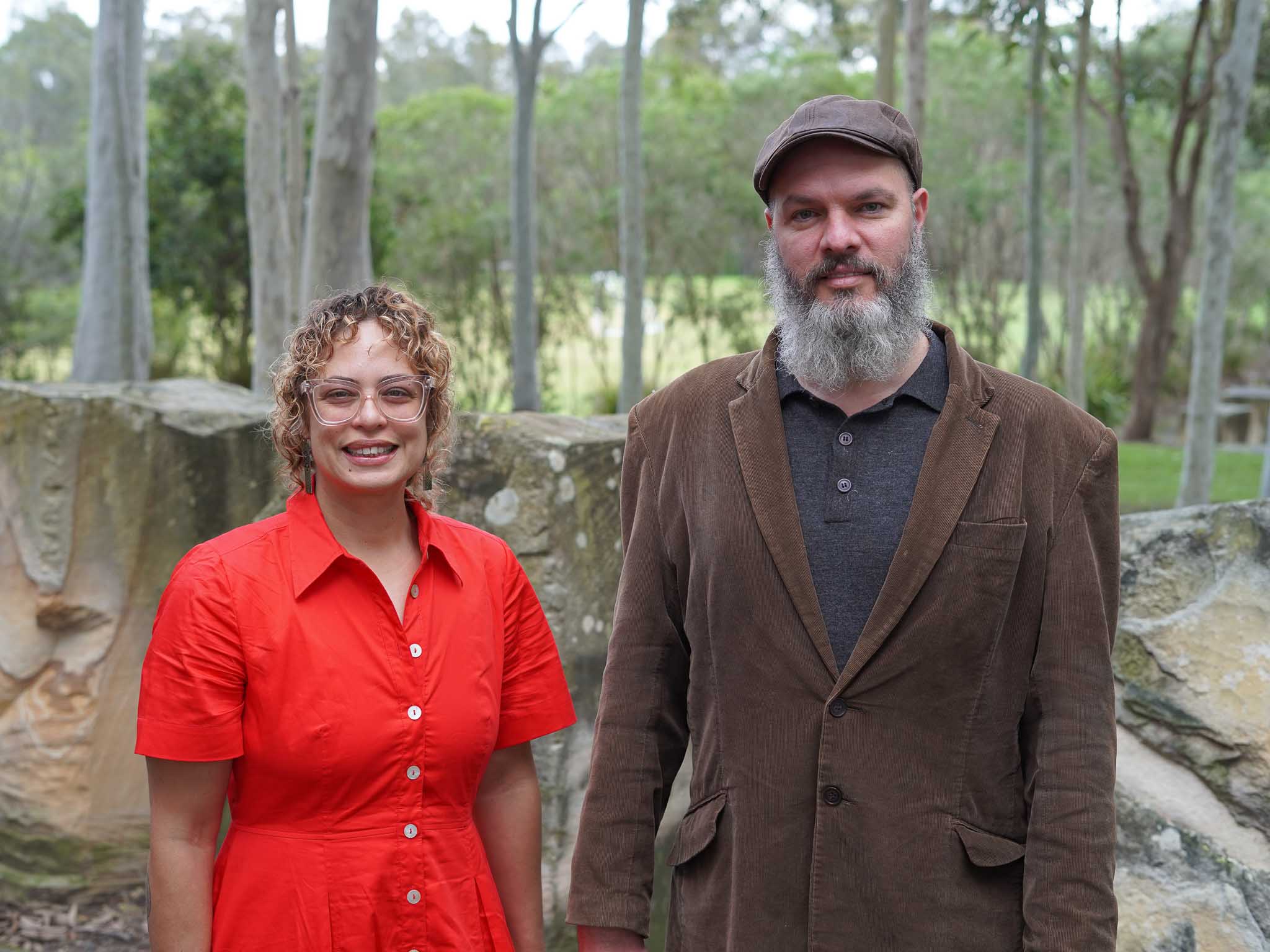 Deakin University Professor Yin Paradies and University of Newcastle Dr Elissa Elvidge.
It will bring together an unprecedented partnership of Aboriginal and Torres Strait Islander leaders, communities, health services, policymakers, clinicians and researchers to test the Cultural Safety Scale (CSS2) tool, which measures how well health services meet the cultural needs of Indigenous patients.
The results will be used to improve national cultural safety standards and guide health policy.
Dr Elvidge said Aboriginal and Torres Strait Islander patients continue to experience racism, discrimination and a lack of culturally safe care when accessing health services.
“A lack of culturally safe care for Aboriginal and Torres Strait Islander people results in poorer healthcare experiences, psychological distress, inequitable access, reduced quality of care, delayed presentation for care, avoidance of health services and disparities in health outcomes,” she said.
Despite widespread recognition of these issues, she said there was previously no robust, transparent and nationally consistent way to measure cultural safety from the perspective of Aboriginal and Torres Strait Islander people in primary health care settings.
Developed by Dr Elvidge and her team and piloted in hospital settings, the CCS2 was designed to provide an evidence-based framework that captured Indigenous patient experiences, identified service failures and strengths, and supported health service reform to improve access, quality of care and health outcomes.
Dr Elvidge said moving the CSS2 into primary care was a critical next step because hospitals were only one part of the healthcare system.
“Aboriginal and Torres Strait Islander people typically interact with multiple services, including general practice, allied health, mental health, pharmacy and community health services, and an inability to engage with culturally safe primary care can prevent access to hospital services and ongoing management of chronic and complex conditions.”
An unprecedented partnership
A multi-agency partnership of Indigenous health services, national, local, and government health agencies, and technology experts will build a system to use the CSS2 to measure, monitor, and improve the cultural safety across GP clinics, telehealth and other primary care settings and ultimately lift health outcomes for Aboriginal and Torres Strait Islander communities.
Torres Strait Islander woman and University of Newcastle Senior Lecturer, Dr Karen Nicholls, said co-creation would be critical to the project’s effectiveness.
“This project is not being done to Aboriginal and Torres Strait Islander communities, it is being done with us and led by us,” Dr Nicholls said.
“Aboriginal and Torres Strait Islander communities and organisations will be involved at every stage of the project, from governance and study design through to implementation, interpretation of findings and the development of policy recommendations.
“The project is built on the principle that cultural safety can only be defined and assessed by Aboriginal and Torres Strait Islander people.”
Community members, Aboriginal health professionals and Indigenous peak organisations will participate through community advisory groups, steering committees and co-design processes to ensure the framework reflects lived experiences, local priorities and cultural perspectives.
Aboriginal and Torres Strait Islander organisations, including the National Indigenous Health Leadership Alliance (NIHLA), Tranby Aboriginal College, and the University of Newcastle’s Wollotuka Institute and Thurru Indigenous Health Unit, will provide leadership in governance, data sovereignty, implementation and translation.
“What makes this project unique is the partnership itself. We’ve brought together Aboriginal and Torres Strait Islander communities, national peak health bodies, accreditation agencies, GP organisations, hospitals, Primary Health Networks and policy leaders,” Dr Nicholls said.
“That combination of expertise gives us a real opportunity to ensure cultural safety isn’t just measured, but translated into meaningful improvements in healthcare policy, accreditation and patient care across Australia.”
Evidence for change
Dr Elvidge said the CSS was designed to help health services move from good intentions to measurable action.
“What isn’t measured can’t be improved. When cultural safety isn’t measured, racism and culturally unsafe care can go unseen, leaving Aboriginal and Torres Strait Islander people at greater risk of experiencing discrimination, access barriers and ultimately experiencing poorer health outcomes.
“Measuring cultural safety gives health services the evidencece they need to identify problems, strengthen accountability and ensure Aboriginal and Torres Strait Islander voices drive meaningful health system reform.
“Feedback might lead to more Aboriginal health workers, better communication with patients and families, stronger cultural support, changes to service policies, or targeted staff training.
“Ultimately, it gives services clear direction on what needs to change to make care safer and more responsive for Aboriginal and Torres Strait Islander people.”
NHMRC $838k Partnership Project
Why don’t they ask what we think? Guiding health service reform through Indigenous patient experience
The research team:
- Dr Elissa Elvidge University of Newcastle
- Professor Yin Paradies Deakin University
- Associate Professor Veronica Matthews University of Sydney
- Professor Roianne West University of Sydney
- Associate Professor Stephanie Topp James Cook University
- Professor Peter O’Mara University of Newcastle
- Dr Patrick Skippen Hunter Medical Research Institute
- Nathan Towney University of Newcastle
- Dr Karen Nicholls University of Newcastle
- Professor Geraint Rogers South Australian Health and Medical Research Institute
HMRI is partnership between the University of Newcastle, Hunter New England Local Health District and the community.