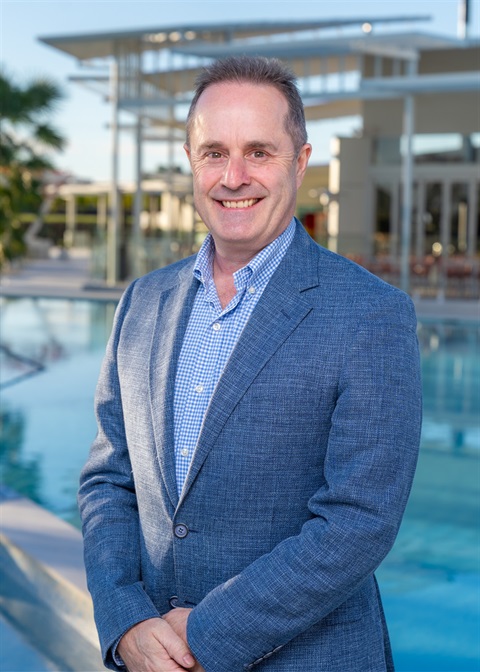
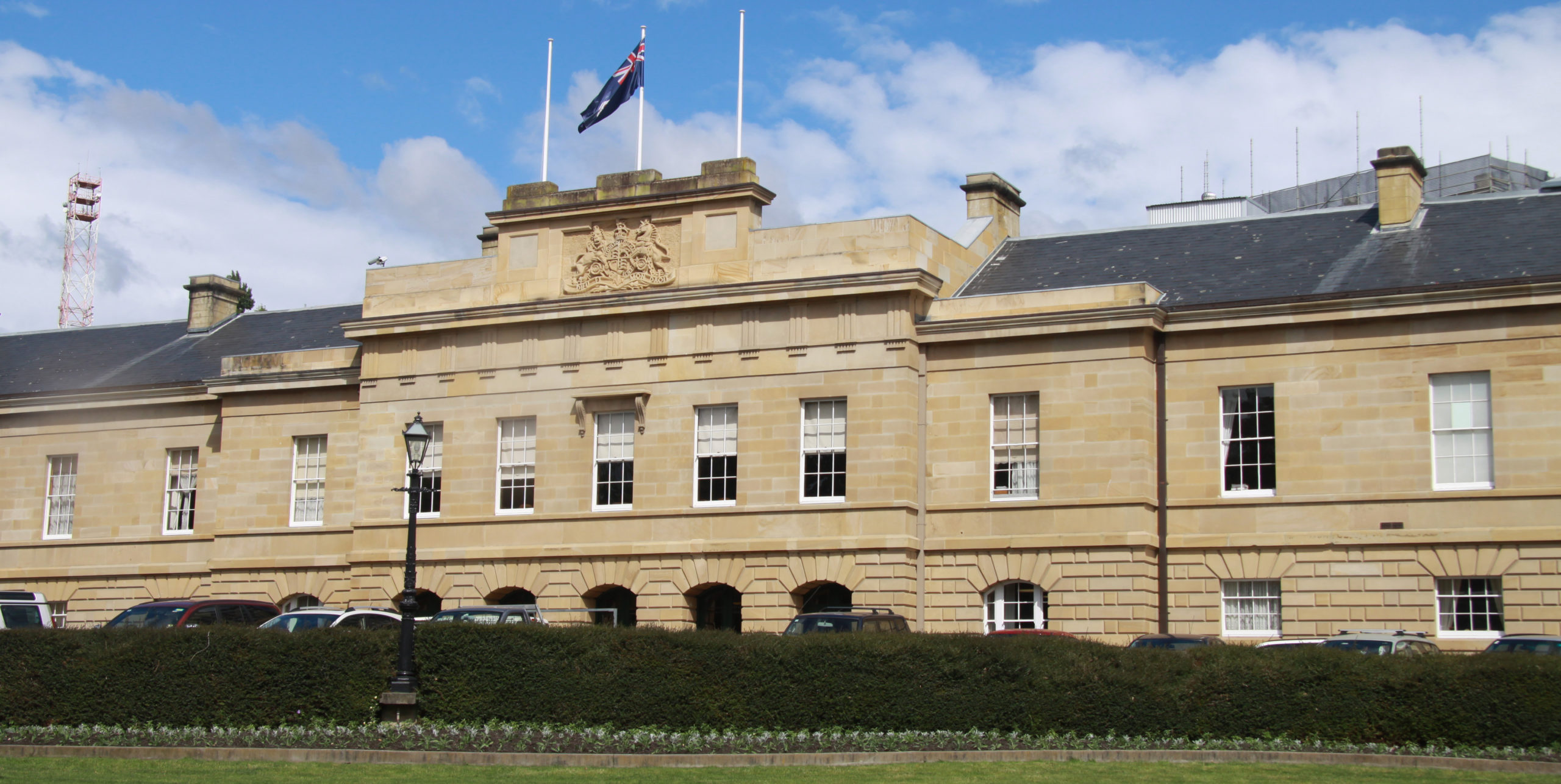
Three ocean researchers from the University of Tasmania’s Institute for Marine and Antarctic Studies (IMAS) will be heading to Türkiye this week for COP31, to make the strong and urgent case for listening to the ocean and adapting to a changing marine environment.
The Conference of the Parties (COP) is the highest-level global climate summit held annually under the United Nations Framework Convention on Climate Change (UNFCCC), which was adopted in 1992.
It brings together heads of state, ministers, scientists, business leaders, and civil society representatives from around the world, and serves as the primary platform for negotiating and advancing collective action to combat climate change.
Professor Nathan Bindoff and Professor Gretta Pecl AM will run an expert panel discussion on the ocean-climate relationship and its importance in keeping 1.5⁰C in reach. Marine social researcher, Associate Professor Emily Ogier will speak about climate actions in the Evidence for Climate Action program.
“We’re so proud of our IMAS ocean researchers, who will be making such a valuable contribution when the world’s climate negotiators gather at COP31 this month,” said Professor Nicole Webster, who is the University of Tasmania’s Deputy Vice-Chancellor (Research).
“It’s important for our ocean and climate experts in Tasmania to be part of the conversation at this critical time – and what could be a turning point for our oceans, the Planet and humanity.”
Science and Sea Country speak together
The oceans absorb Earth’s excess heat and carbon dioxide and are now experiencing catastrophic marine heatwaves. These changes threaten the oceans capacity to store carbon, push the physical system to tipping points, and impact our ecosystems, livelihoods and cultures alike – from large-scale fisheries, to the maireener shells central to the cultural practice of palawa women in lutruwita (Tasmania).
This interactive panel brings together leading ocean scientists, a carbon removal specialist, and a palawa cultural practitioner for a dynamic discussion, followed by an audience Q&A, on what the ocean is telling us and its critical role in keeping the global temperature rise limited to a 1.5°C increase.
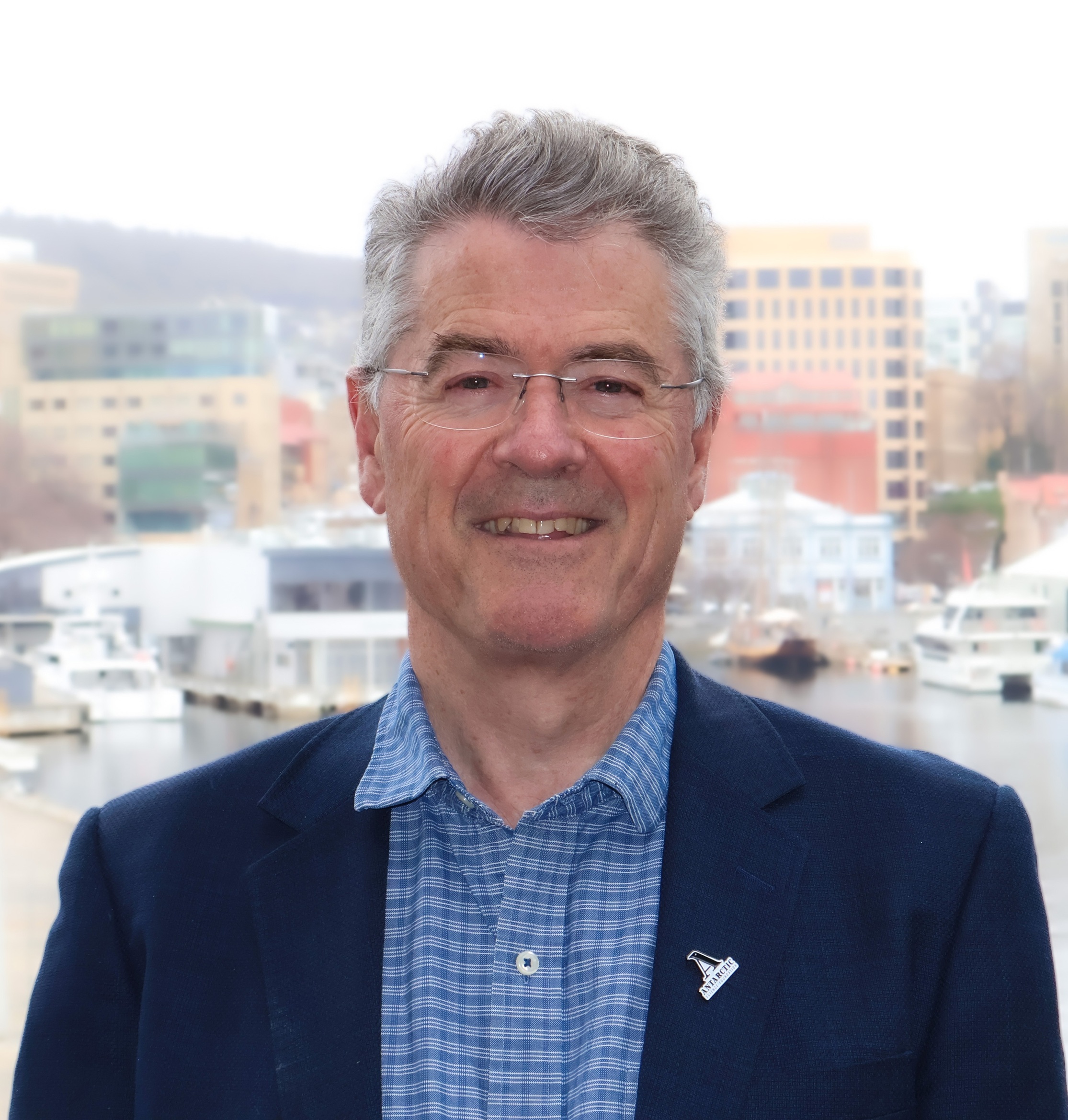
As one of Australia’s most distinguished physical oceanographers and IPCC coordinating lead author, Professor Nathan Bindoff will lead the expert panel, which includes Professor Gretta Pecl AM , Dr Andrew Lenton from CSIRO, and palawa artist Vanessa Greeno .
Professor Bindoff’s research has documented ocean warming, marine heatwaves, the reduction in ocean oxygen, and patterns of change in ocean salinity and the acceleration of the global water cycle. He has shown that these changes are caused by human influence in the climate system.
“The oceans are critical to the Earth’s energy balance because they store more than 91% of the excess energy from human activity,” Professor Bindoff said.
“But the Ocean is warming and that warming is reducing the ocean’s uptake of carbon dioxide. It is vital for us to ramp up our emission reduction efforts to keep the 1.5°C goal within reach.”
Professor Pecl will draw on a decade of data from the National citizen science initiative, Redmap Australia, documenting ‘species on the move’ along Australia’s coastlines, to highlight what species changes we need to adapt to as ocean change accelerates.
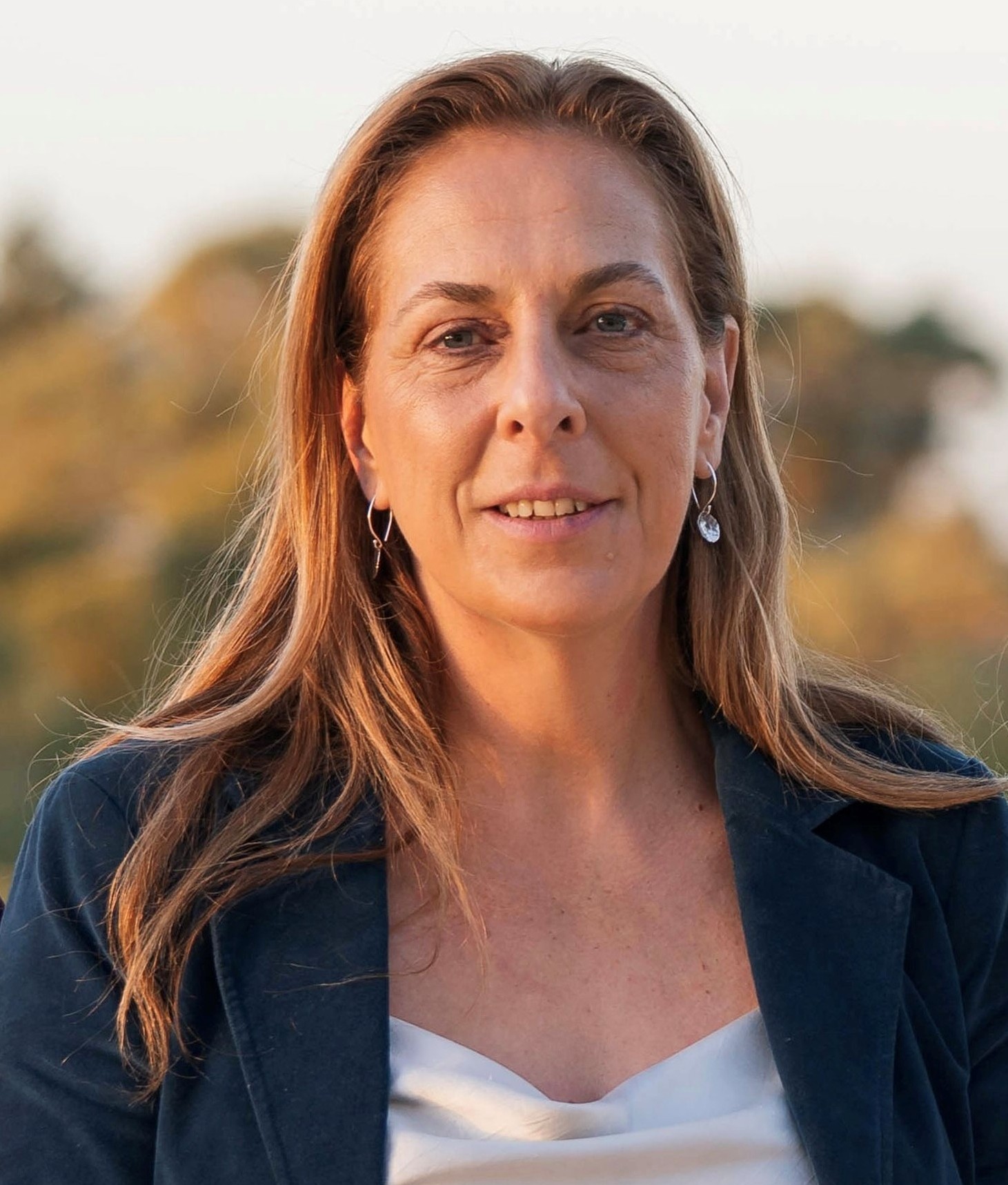
“The frontline impacts include shifting species distributions and marine heatwaves, and what these mean for fisheries, food security and coastal communities,” said Professor Pecl, who was an IPCC Lead Author across both the sixth and seventh Assessment Reports.
“My focus will be on what adaptation can realistically achieve as warming continues, and what we stand to lose if we don’t act now.”
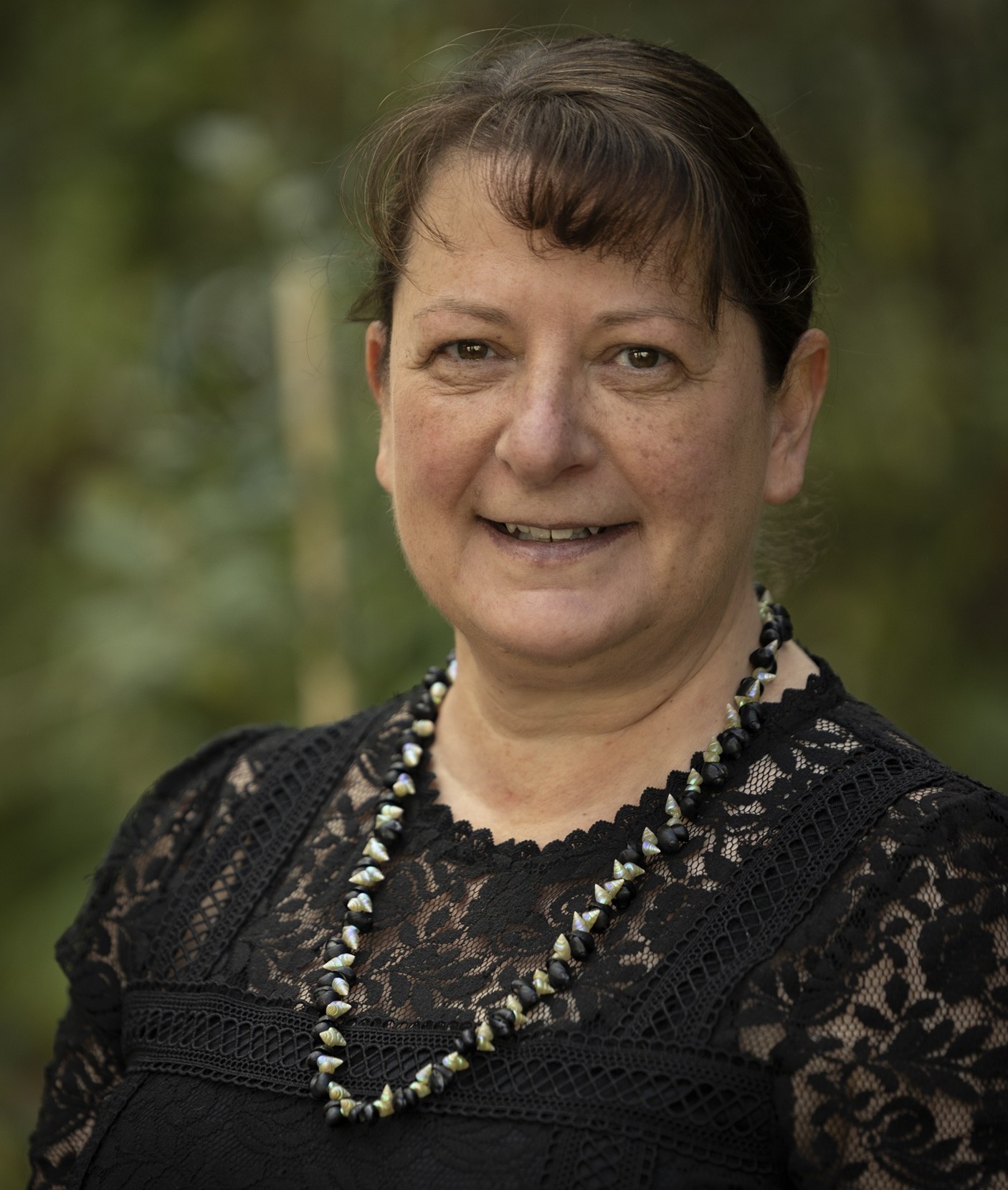
Vanessa Greeno has observed, up close, the same ocean crisis that science is documenting, bringing to the panel a perspective rooted in 65,000 years of relationship with Sea Country.
“I work in the tradition of kanalaritja – palawa shell stringing – which is our women’s cultural practice and is of profound significance,” Vanessa said.
“But the maireener shells at the heart of our practice are in decline: rarer, thinner, diseased.”
Spotlight on ocean-climate interventions
Today, oceans are on the front line of planned climate actions. These emerging ocean-climate interventions are novel both in their deployment of new and often untested technologies, such as genomics and altering ocean biogeochemistry, and doing this in changing oceanic, climatic and social conditions.
Associate Professor Emily Ogier will be discussing a recent study on these interventions published in Nature Climate Change , including examples of fisheries and aquaculture adaptive management, in the Predict, Govern, Measure: AI and Innovation for Understanding Interventions and Better Ocean Management session.
“New interventions are now being rapidly implemented to address both the causes and consequences of warming oceans,” said Associate Professor Ogier, who is the lead author of the study.
“But governance must keep pace with the upscaling of ocean-climate interventions, to assess and responsibly manage their broader ecological, cultural and social risks and benefits.”
“Evidence and strong evaluation are so important – they enable leaders to choose ocean-climate actions that make a measurable positive difference and avoid choosing actions that build false hope.”
Along with leading the panel discussion, Professor Bindoff will be one of the scientists available to answer questions during both the Cryosphere (frozen earth) and Earth Information Day sessions, led by the Department of Climate Change, Energy, the Environment & Water’s Australian Antarctic Division (AAD).
“Ocean science has come a long way since I started. We never imagined the changes we are witnessing,” Professor Bindoff said.
“Our conversations at COP31 are about highlighting the impact of climate change on the oceans and its importance for keeping 1.5⁰C in reach.”